


 Property Search
Playful Spaces: How to Create the Perfect Space for Your Child’s Bedroom
Your guide to create the perfect playroom for your kids
Storage is often treated as something purely practical. A place to hide what we do not want to see. A cupboard, basket, cabinet or drawer designed to keep daily life neatly out of view.
At Seddiqi Properties, storage can do far more than contain belongings. It can shape a room, bring visual depth to a space and support the way a home is used every day. When approached with the same care as furniture or lighting, storage becomes part of the design language rather than an afterthought.
Sculptural shelving, plinth-style pieces and recessed niches can help define a space, while handcrafted containers bring texture to daily routines. The result is storage that feels connected to the home, not simply placed within it.
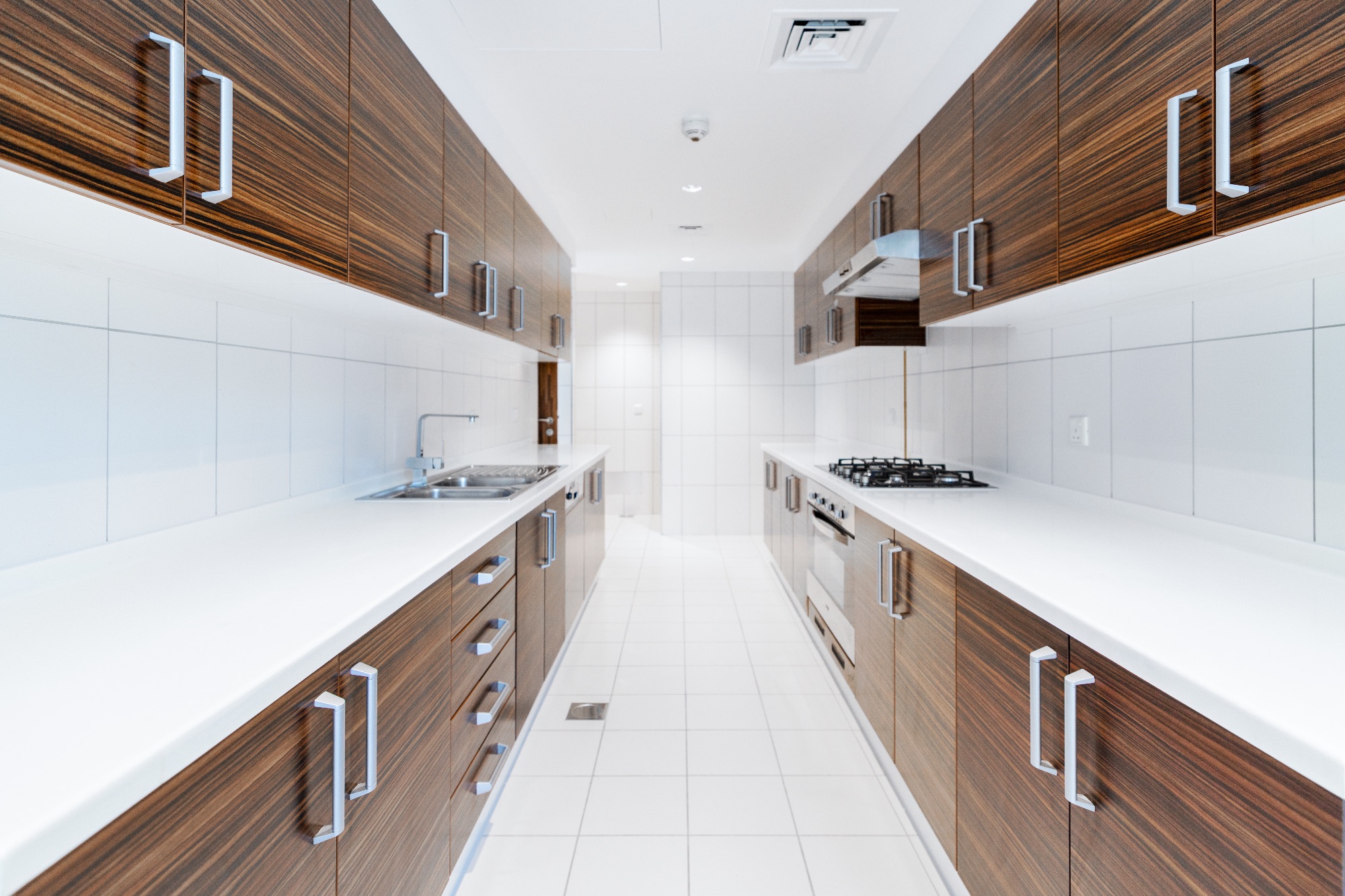
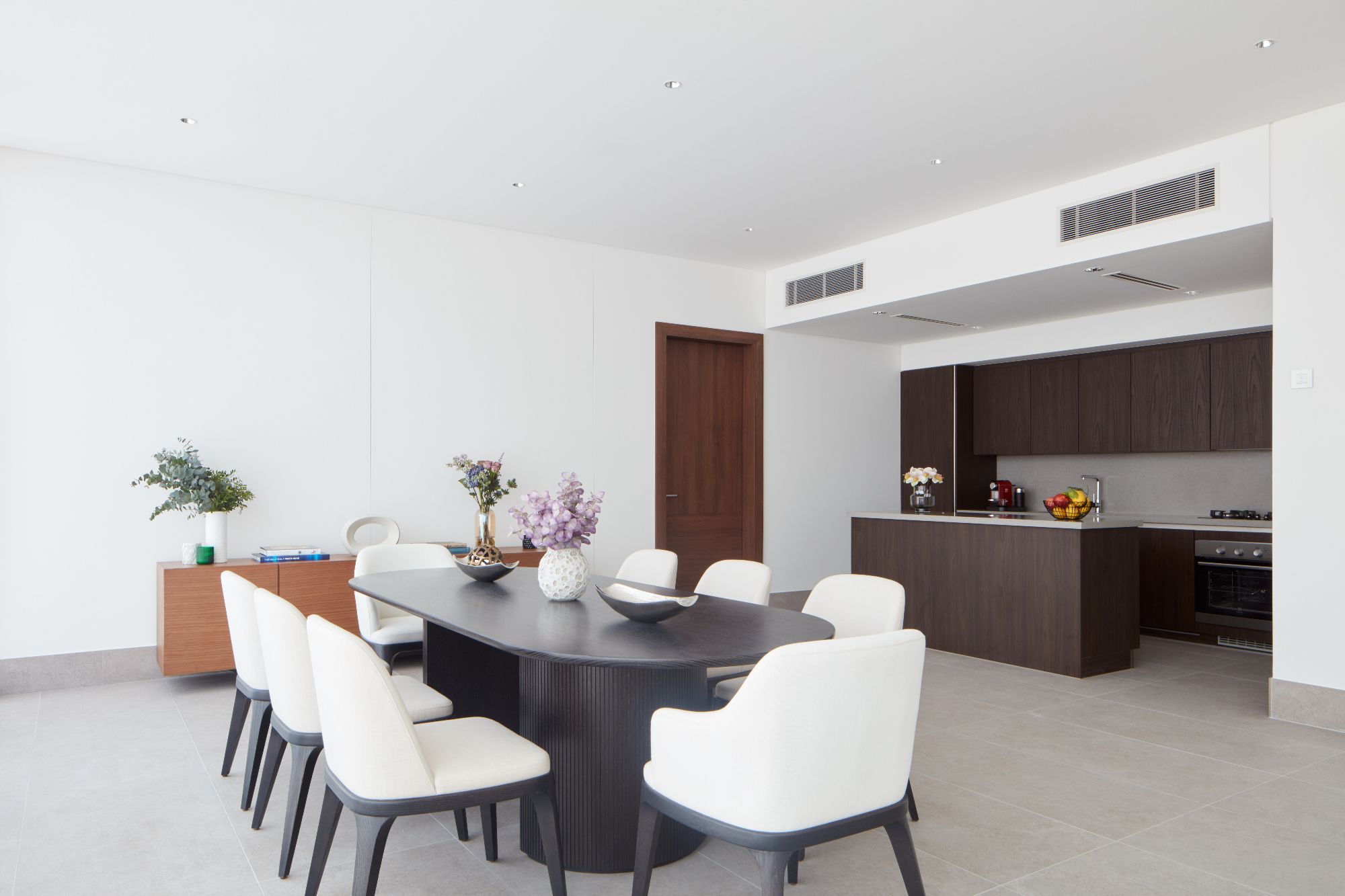
At Seddiqi Properties, we believe that good storage begins with function, but beautiful storage also considers form. A shelving unit can do more than organise books. It can frame a dining space, create height against a neutral wall, or help an open-plan area feel more structured.
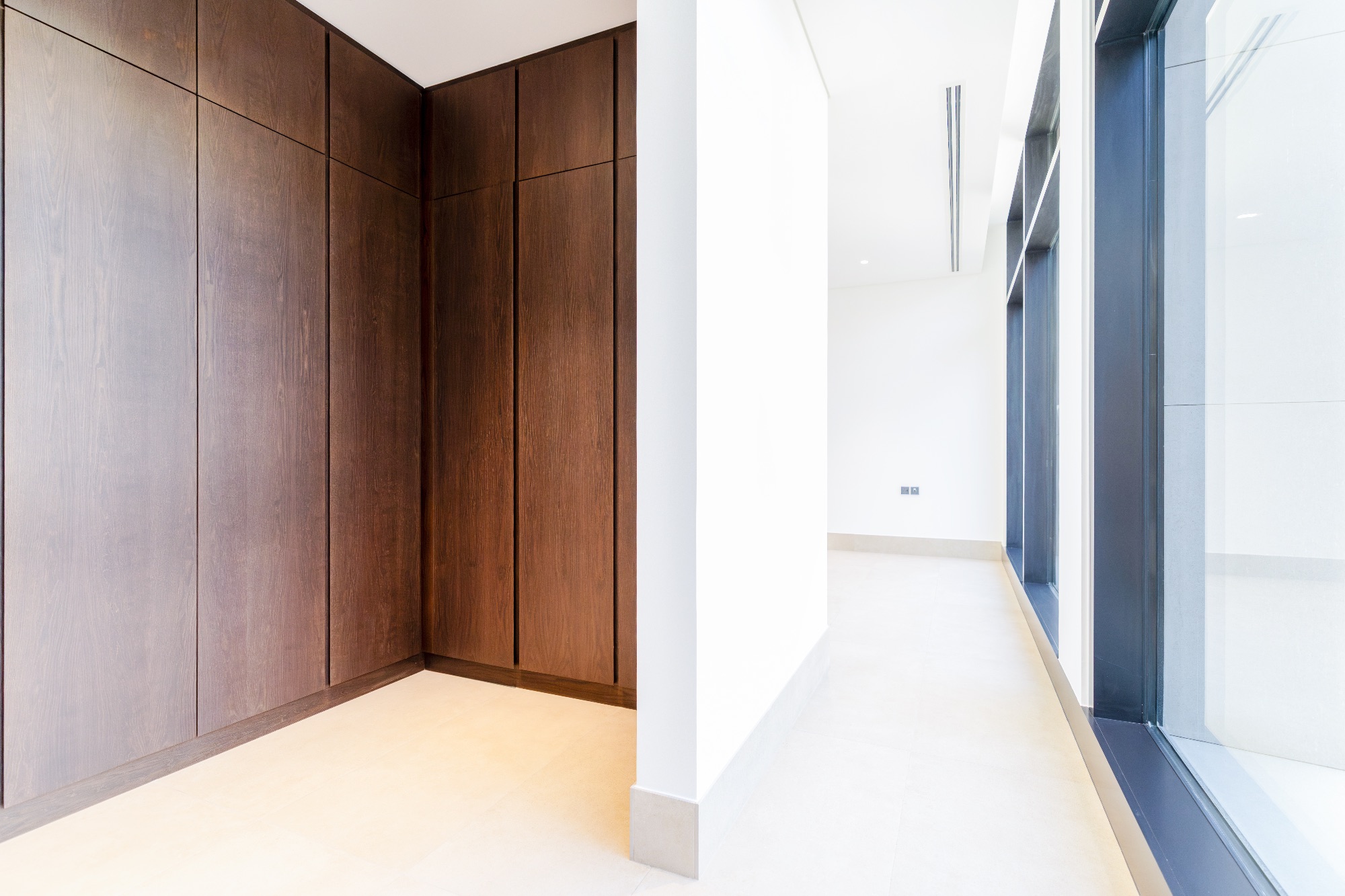
This balance between visible and hidden storage is especially important. At properties such as Saratoga Complex and The Court, walk-in closets allow practical storage to sit neatly behind the scenes. This gives residents more freedom to keep the visible areas of the home curated and personal.
A low cabinet can hold essentials while grounding a room. A plinth-style piece can display ceramics or books while concealing everyday items. The shift is simple: instead of asking where something can be hidden, consider how storage can add to the room.
In design-forward residences such as Reem VI, sculptural storage feels especially at home. Generous proportions and open layouts give residents room to use shelving, cabinets, or display pieces as part of the overall composition, without overwhelming the space.
Open shelving is one of the simplest ways to do this. It allows residents to curate books, artwork, and personal objects in a way that feels expressive but still ordered. The key is restraint. A stack of books, a single ceramic piece, or a framed artwork leaning against the wall can have more impact than a shelf filled from end to end.
The same idea applies in a different way at The Rolex Tower, where spacious city apartments benefit from storage that can help define zones. A tall open unit between a living and dining area can suggest separation while allowing light and movement to pass through. A lower shelf behind a sofa can create a subtle boundary and offer a place for lamps or decorative objects.
In a setting with quality finishes and clean architectural lines, storage works best when it feels connected to what is already there. Pieces that echo the existing tones, materials or proportions will feel more natural than those that compete for attention.
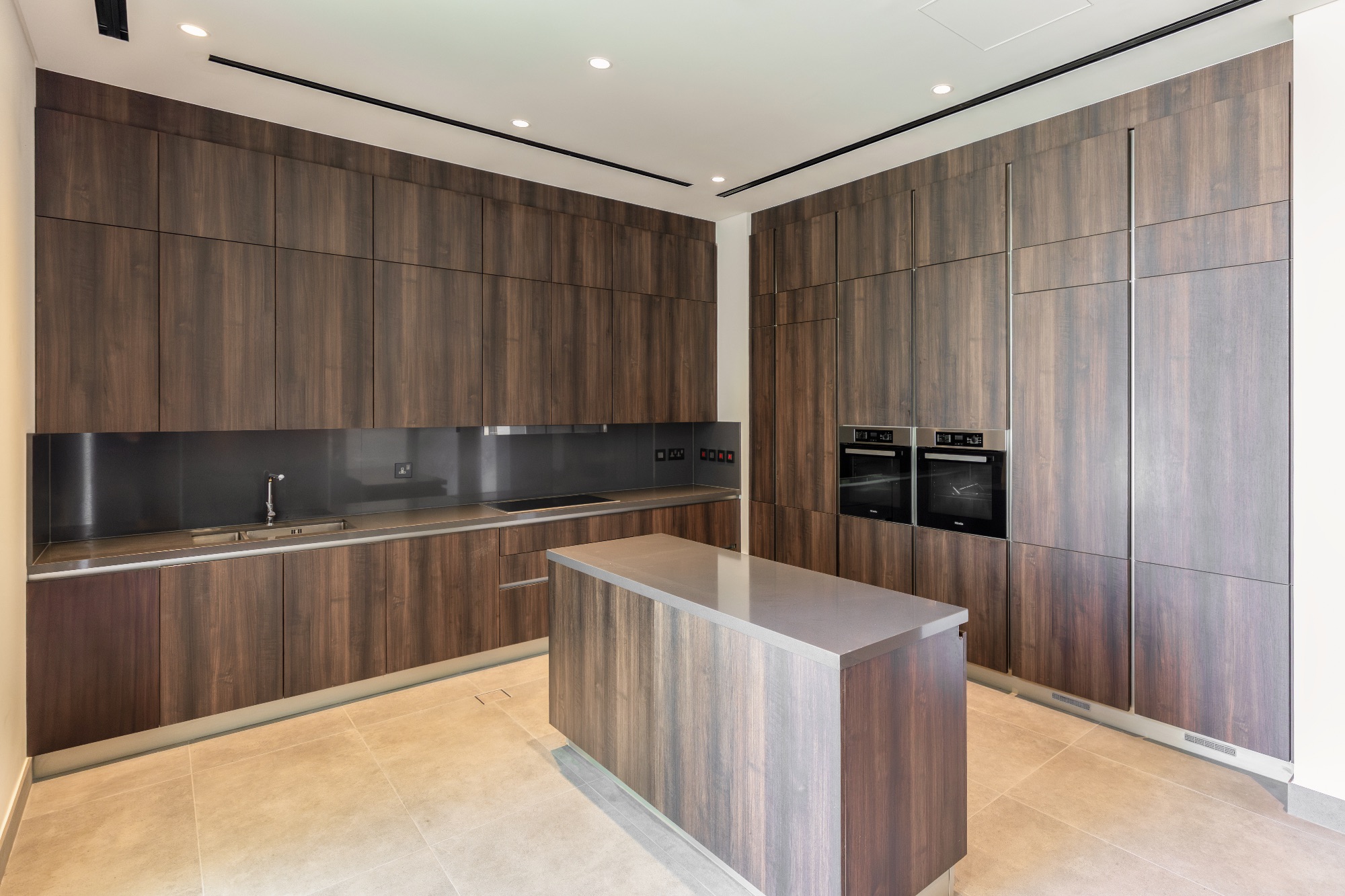
A well-designed room has rhythm. The eye moves from one point to another, guided by scale, repetition, and space. Storage can play a quiet but important role in creating that movement.
Repeating materials can connect different areas of a home. A timber shelf in the living room can relate to a console near the entrance or a tray in the dining area, creating visual continuity without feeling overly matched. Varying heights also add interest, especially when low cabinets are balanced with taller shelving or wall-mounted pieces.
Balance is essential. Too much open storage can feel busy. Too much closed storage can feel heavy. Combining the two creates a more natural result, with concealed storage for practical items and open display for objects that deserve attention.
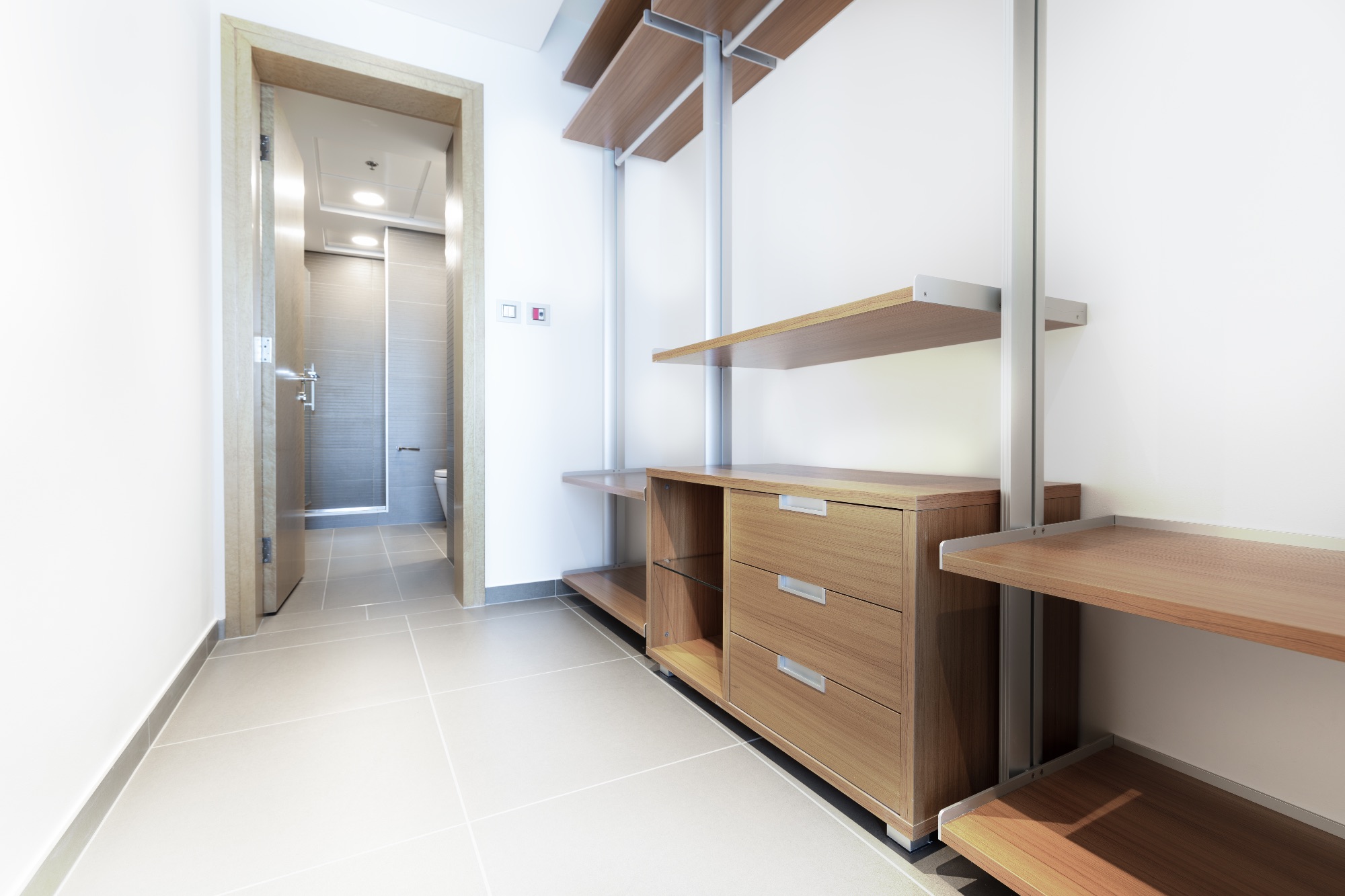
Storage does not need to disappear. When chosen and styled with care, it can become one of the most attractive elements in a room. Across Seddiqi Properties residences, thoughtful layouts and quality finishes allow residents to create homes that feel organised yet expressive, and easy to live in.

Your guide to create the perfect playroom for your kids

A 10 minute talk with Osama Seddiqi
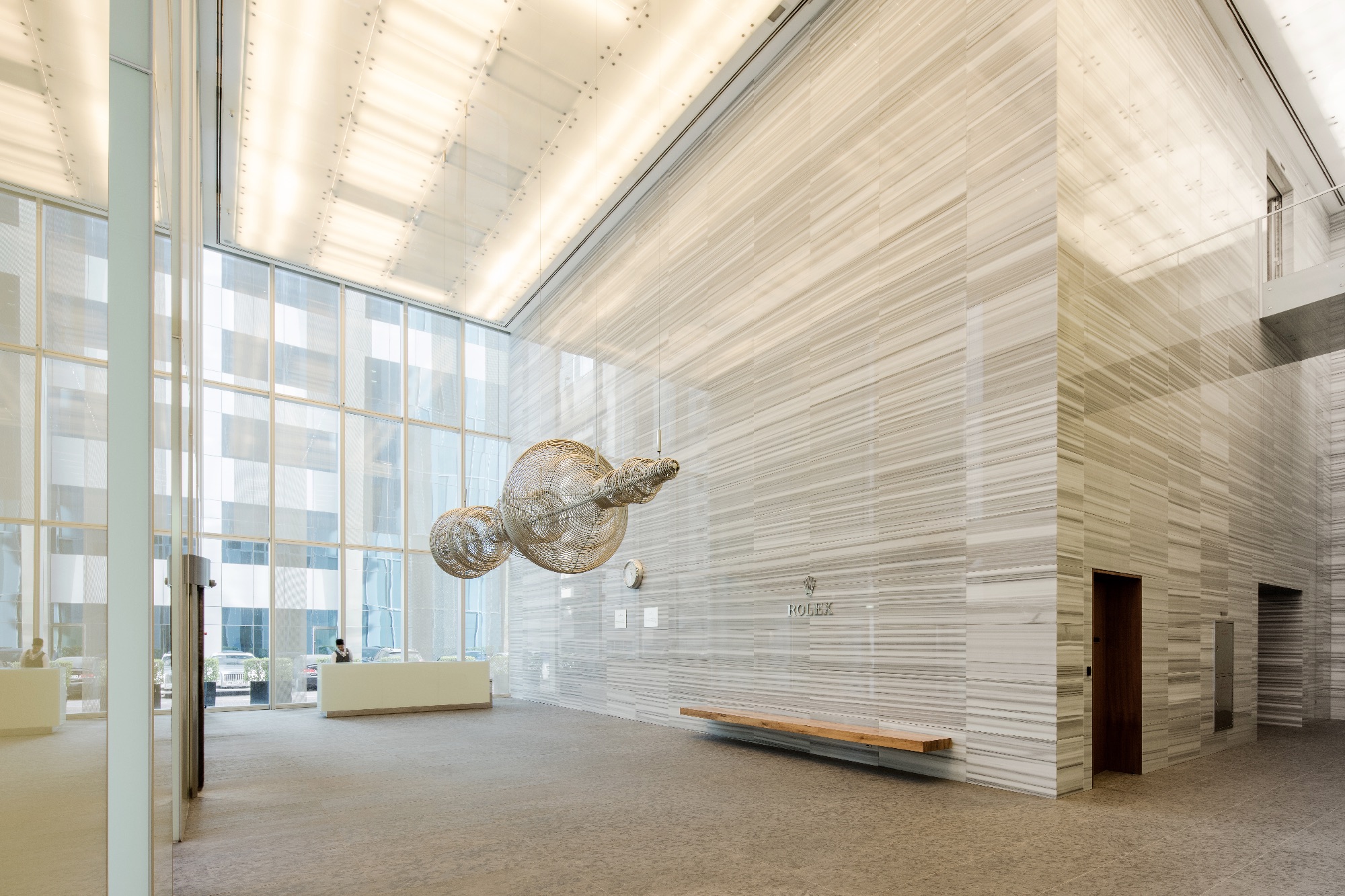
Unique facts about Rolex Tower
New Year. New Intentions
Trendy ideas for your interior space
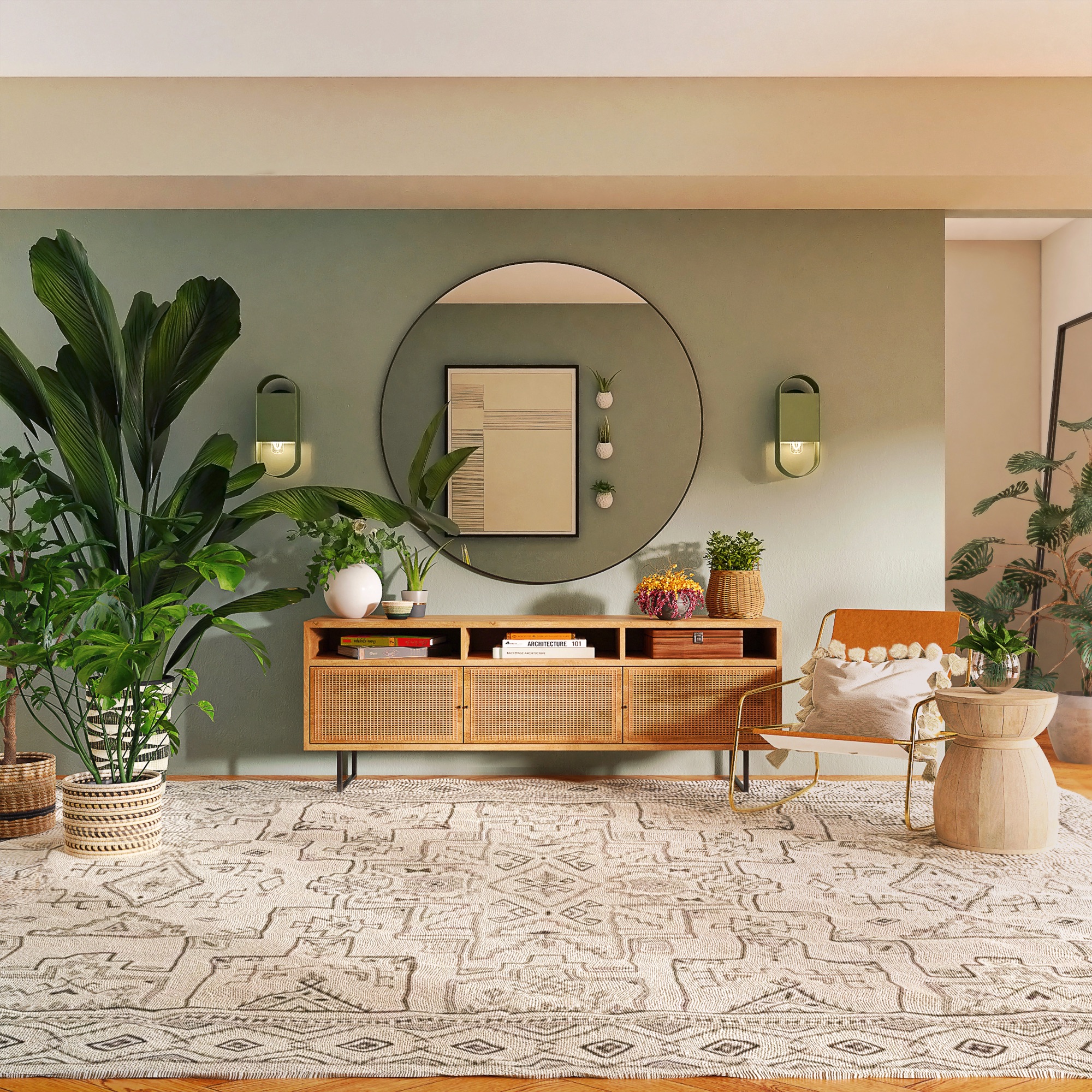
What decor personality are you?
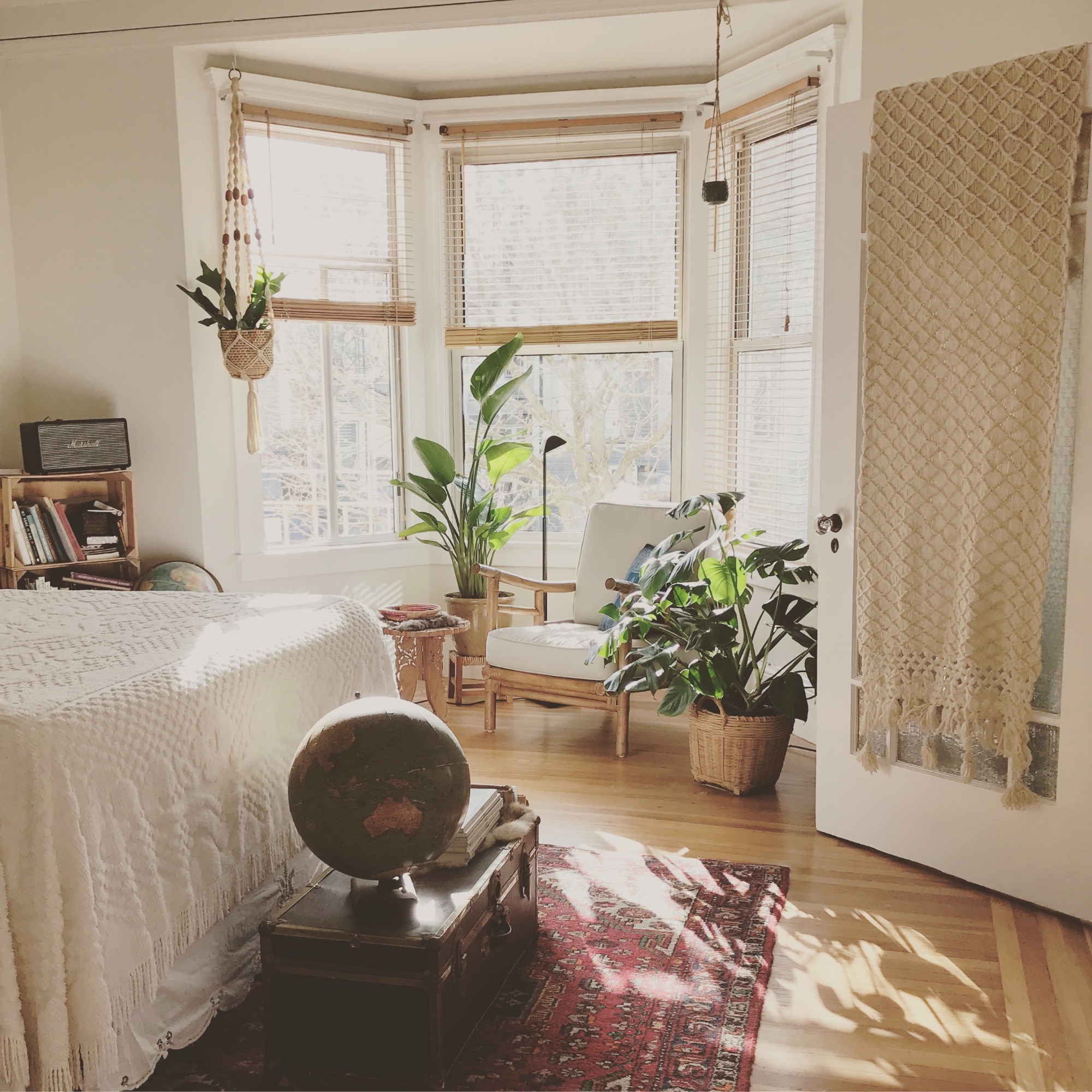
Bringing a sense of the outdoors into your home can have a remarkable effect on your mood and the style of your living space. One way to do this is through the evergreen appeal of houseplants
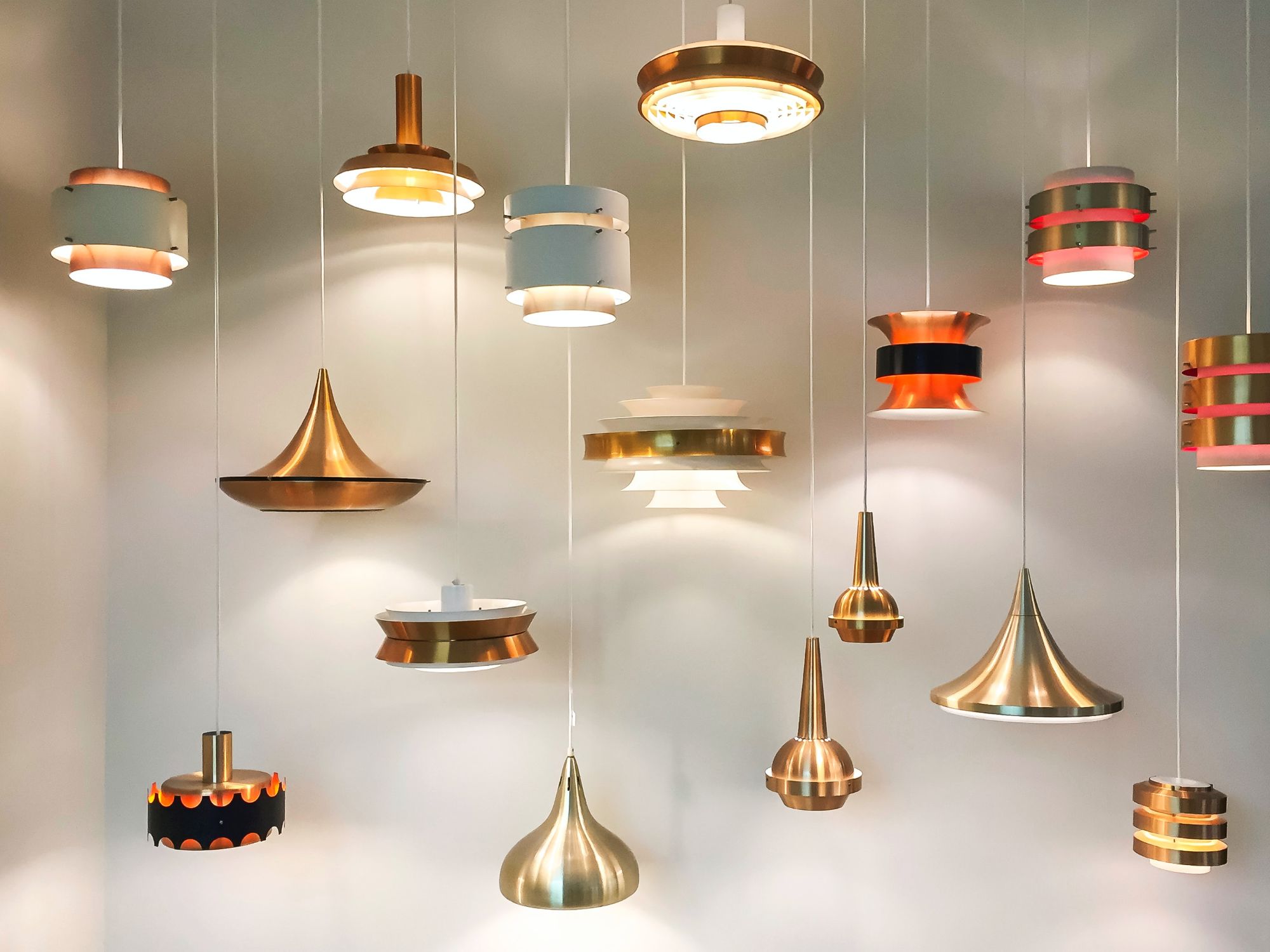
A guide on how to choose the right light system for your house
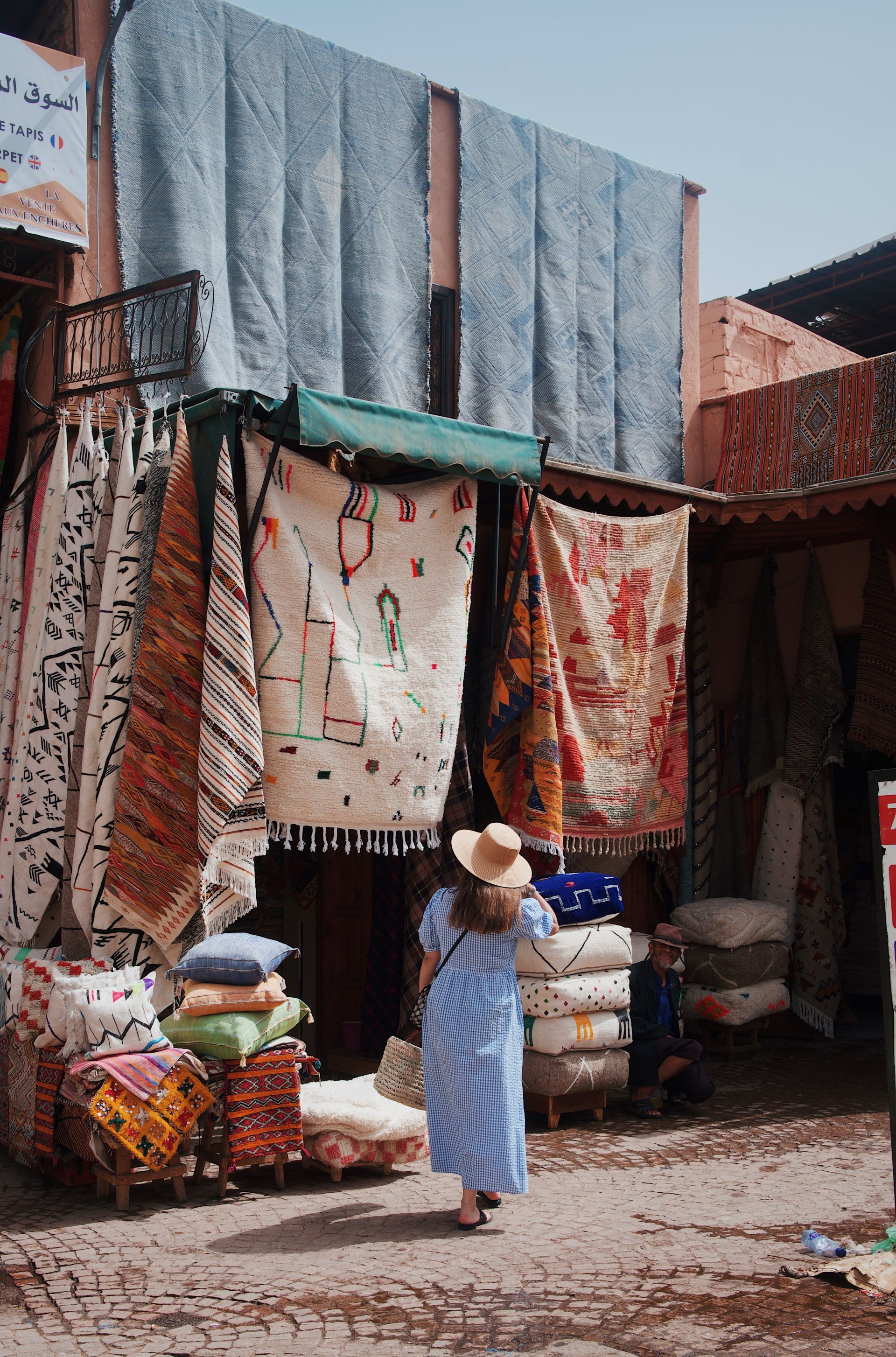
A guide on why you should never underestimate the transformative power of a rug
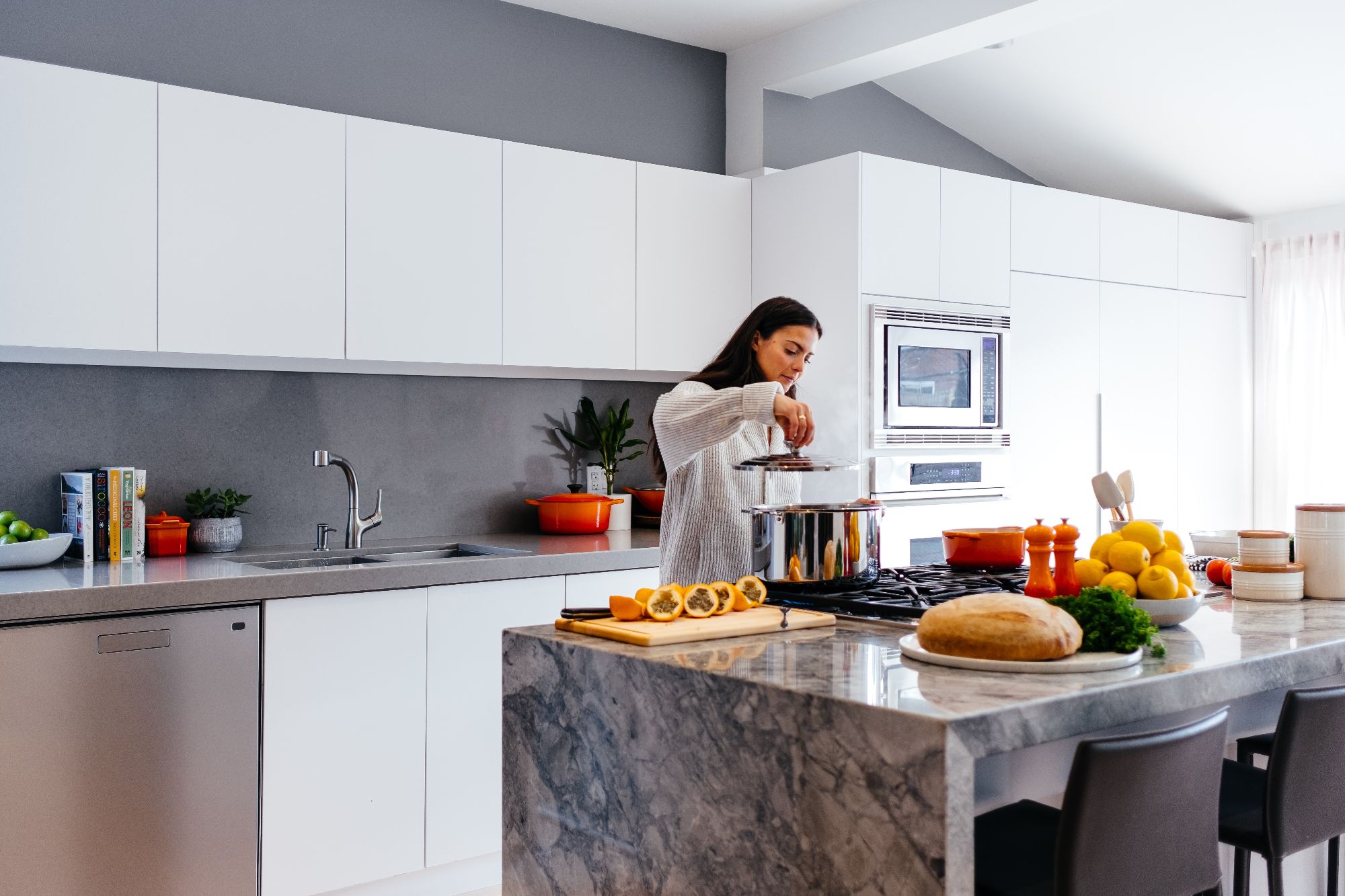
A guide on what to think about when entertaining at home

A guide on how to choose the perfect materials for a better sleep
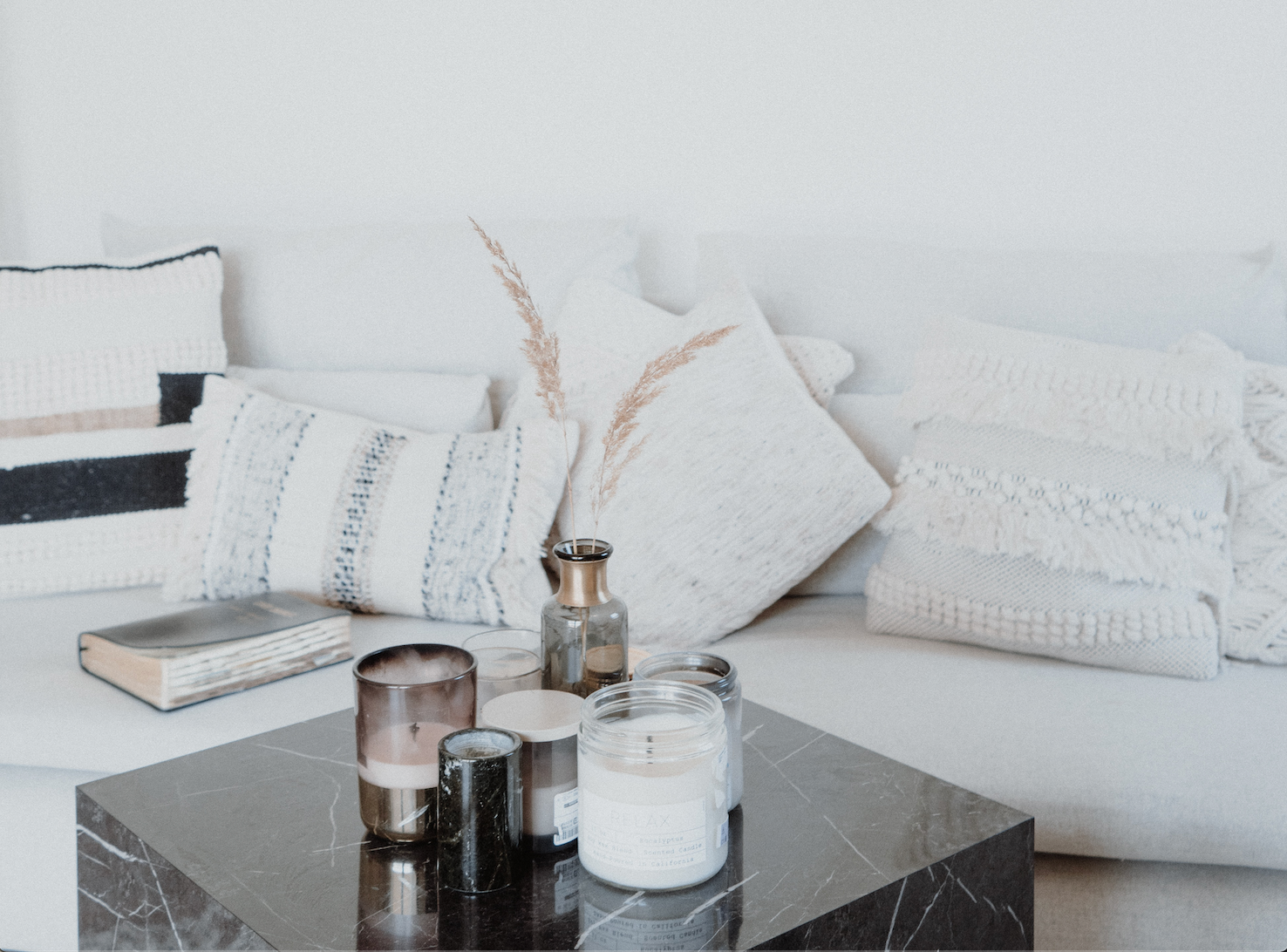
A guide on how to create your cozy living oasis

A guide on how to beat the heat while saving energy
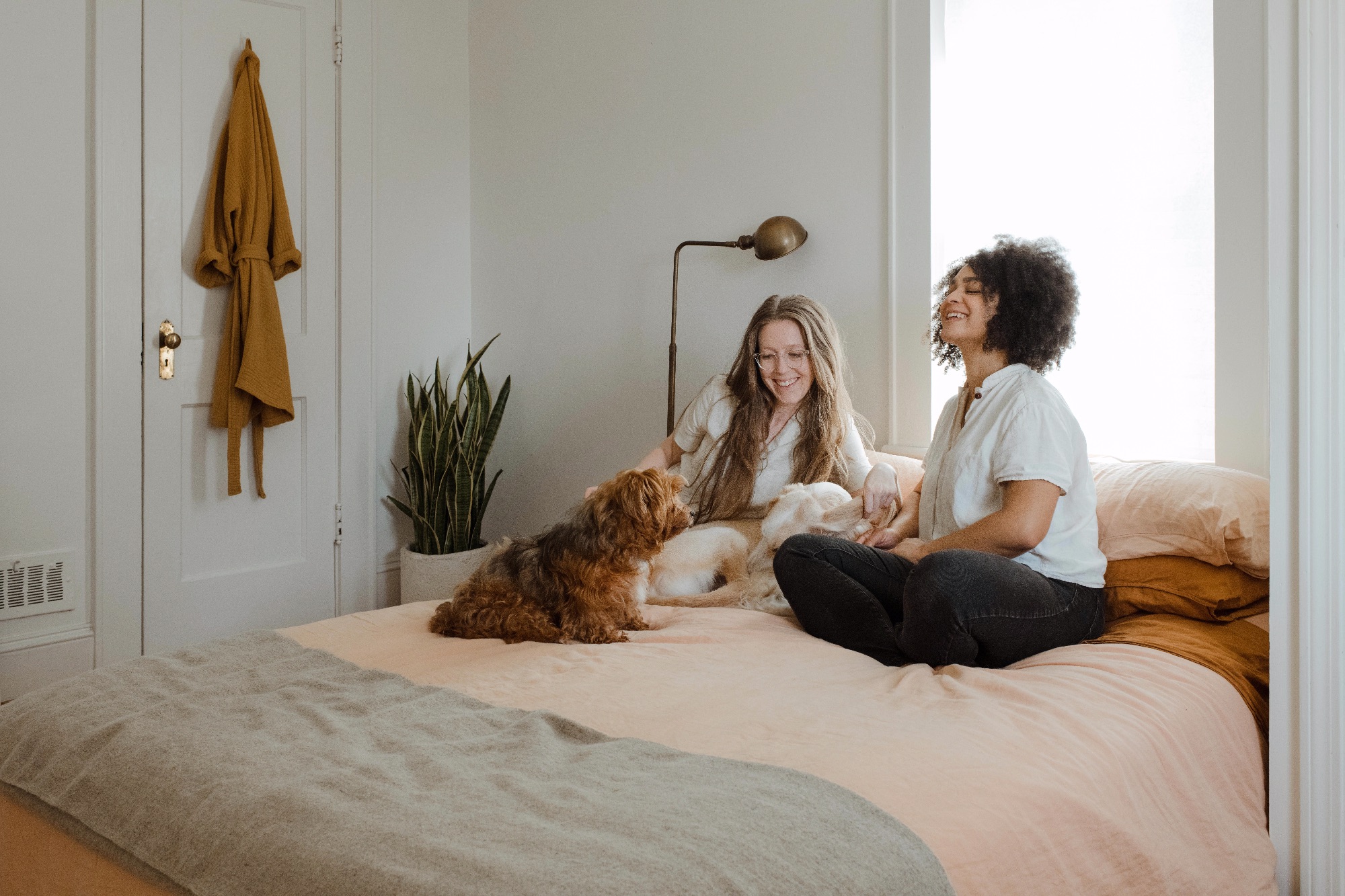
A guide on how to make your home pet friendly
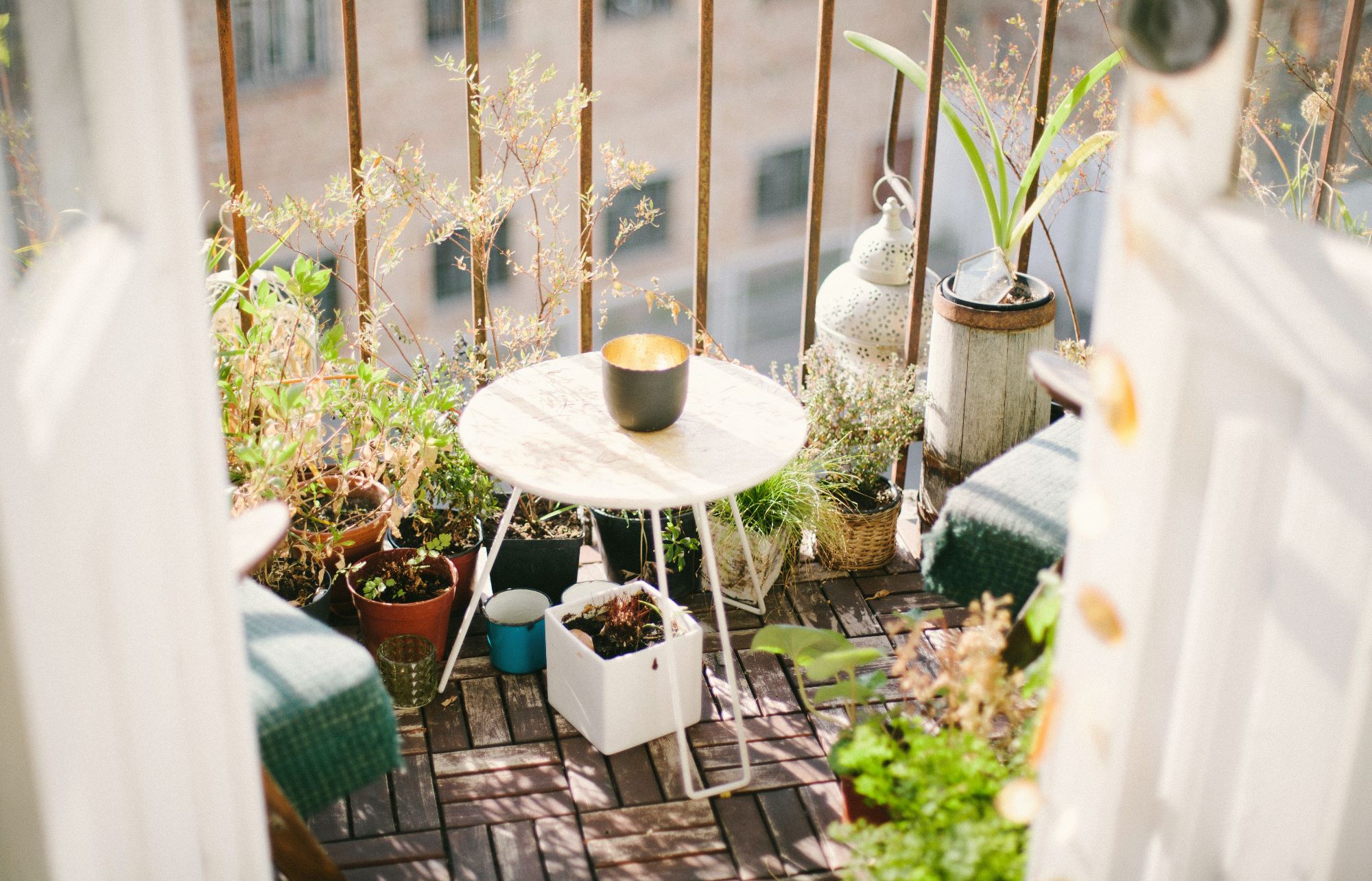
A guide on how to furnish the perfect balcony
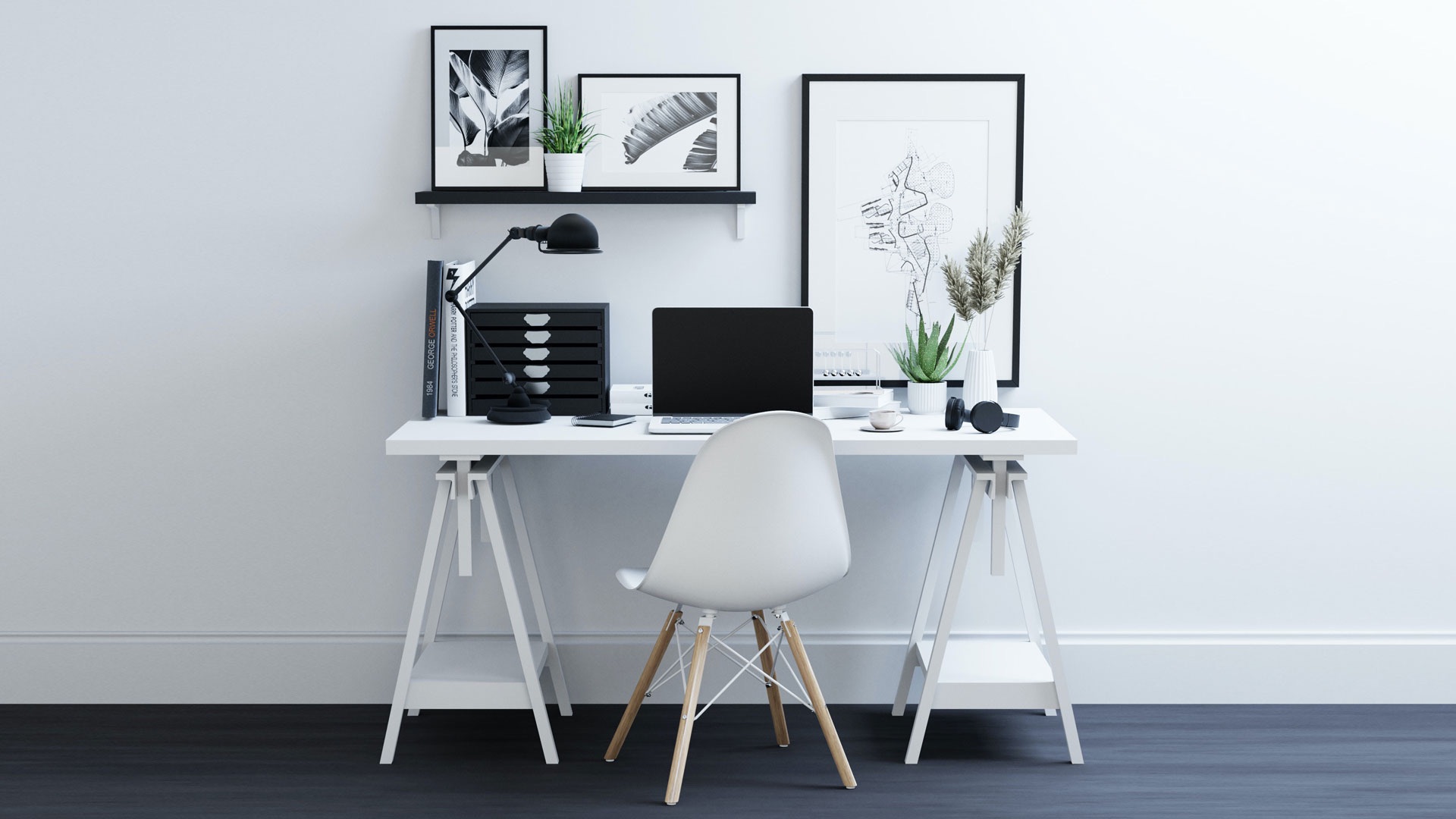
A guide on how to craft your ideal home office
A guide on smart homes with the latest appliances controlled by an App.
A guide on how to accommodate various generations, while also offering up the right style, comfort and functionality.
A guide with creative ideas for transforming your Dubai kitchen
A guide to explore the realm of bespoke furniture.
A guide to explore the psychology of decor and discover how intentional choices, from colours to clutter management, can transform your home into a haven that nurtures your mental health.
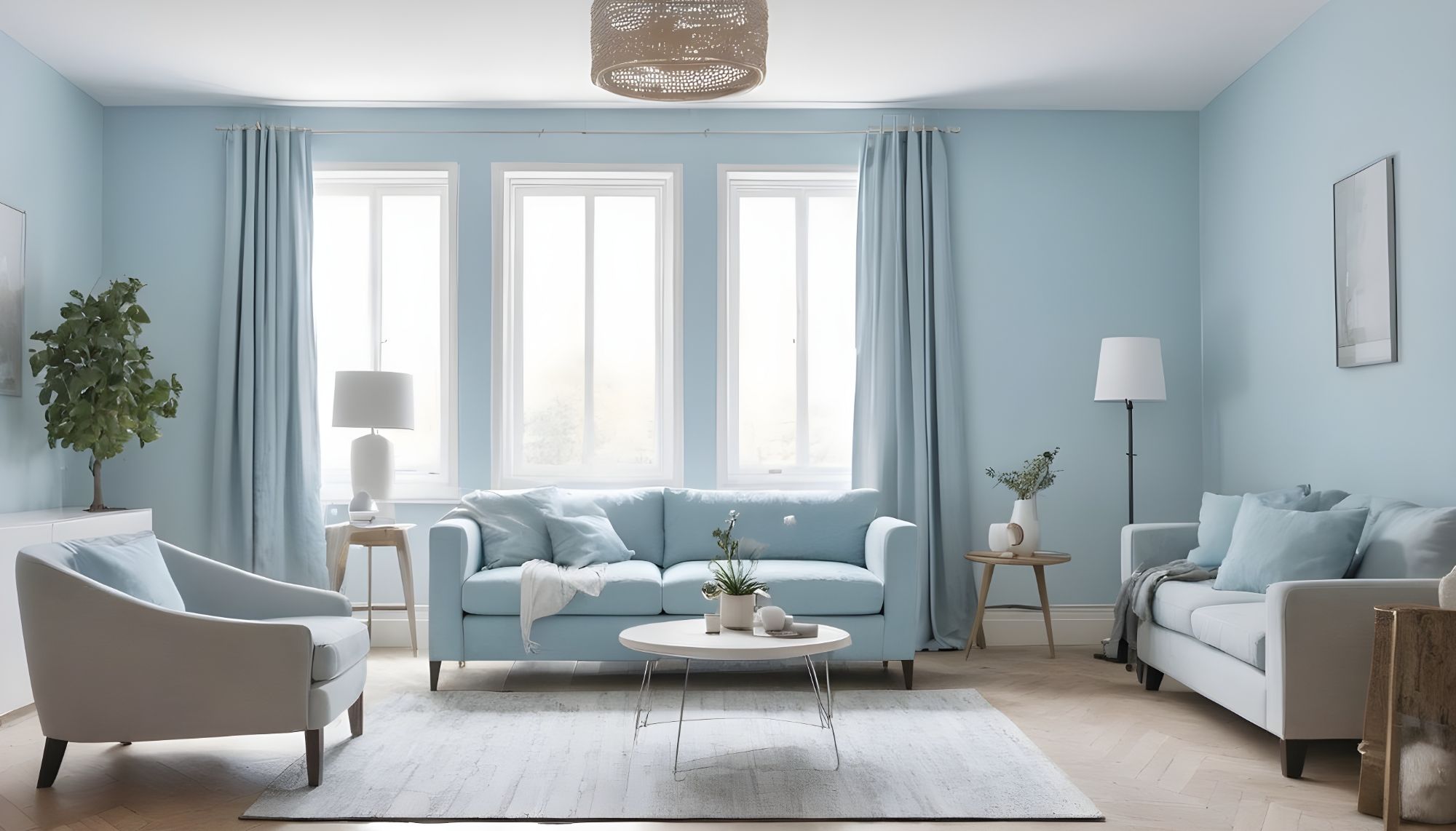
A guide into the impact of clutter on mental well-being, offering insights into how embracing minimalism can lead to a more harmonious and rejuvenating living environment in our unique cultural and cosmopolitan setting.
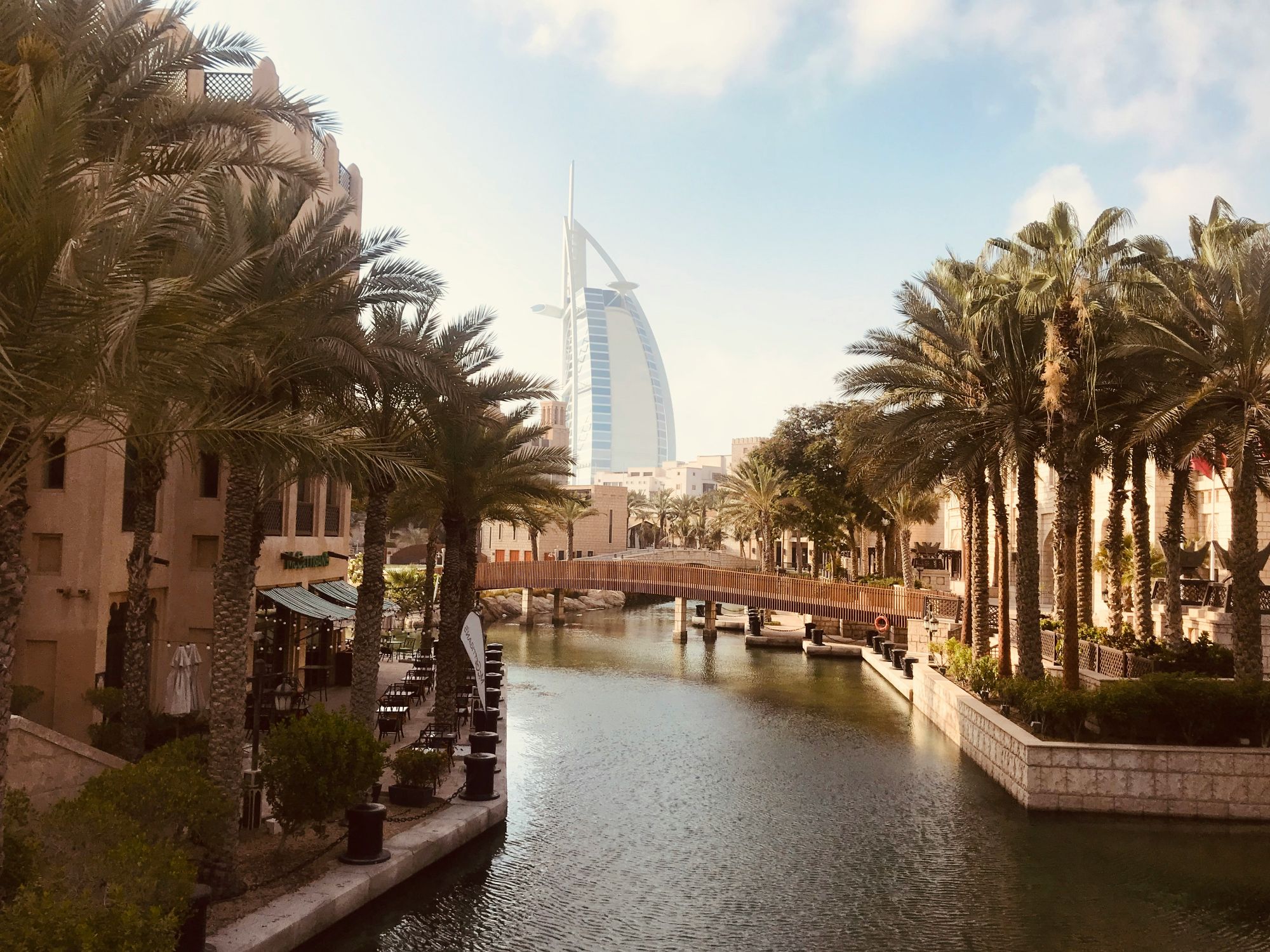
A guide to provide you with the insights and knowledge needed to navigate the lively Dubai rental market with ease.

A guide were we delve into the captivating world of fragrance and its transformative power within our homes.
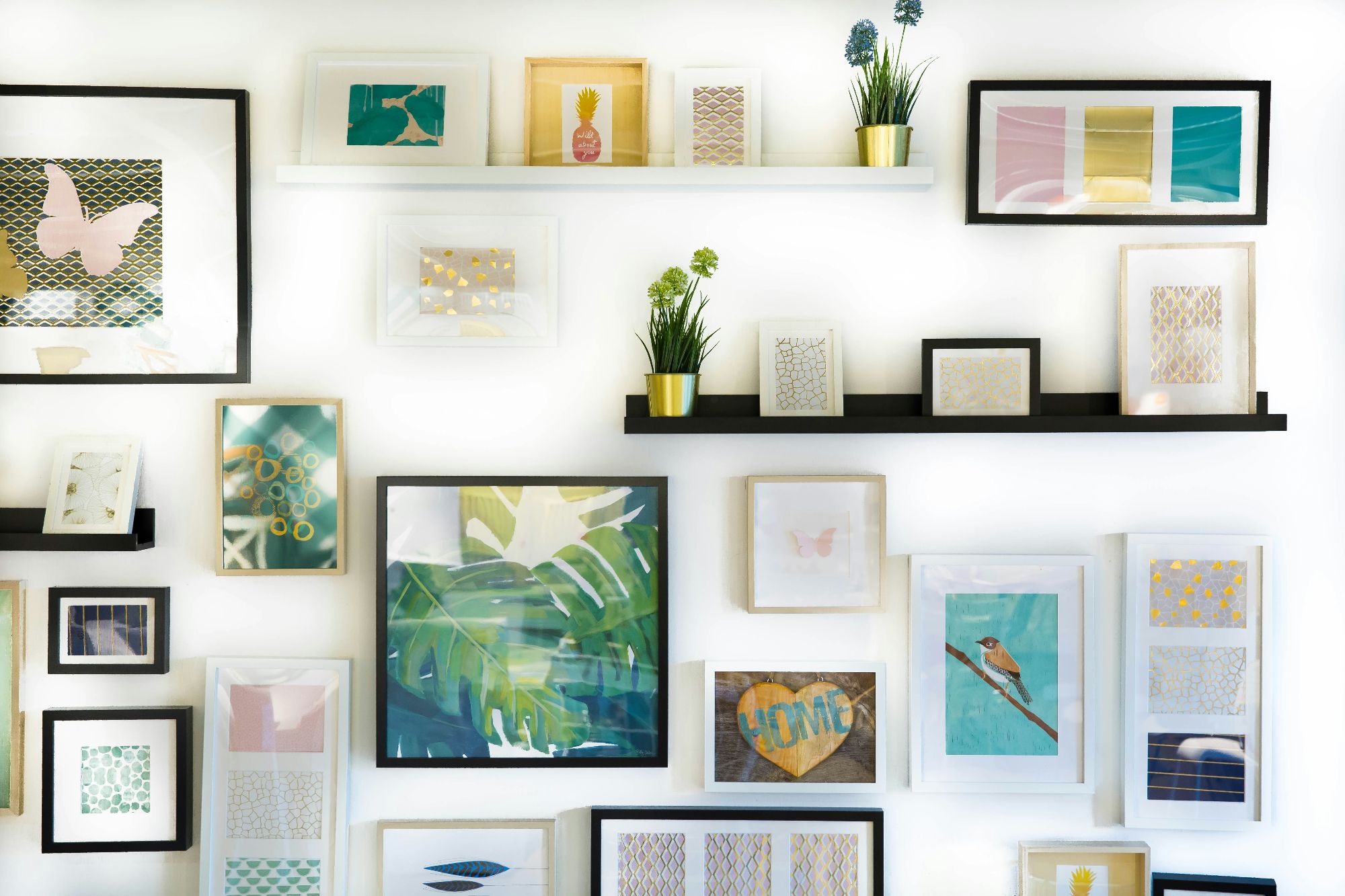
A guide to select the right pieces of art for your home becomes not just a matter of decoration, but a reflection of your taste, personality, and values.
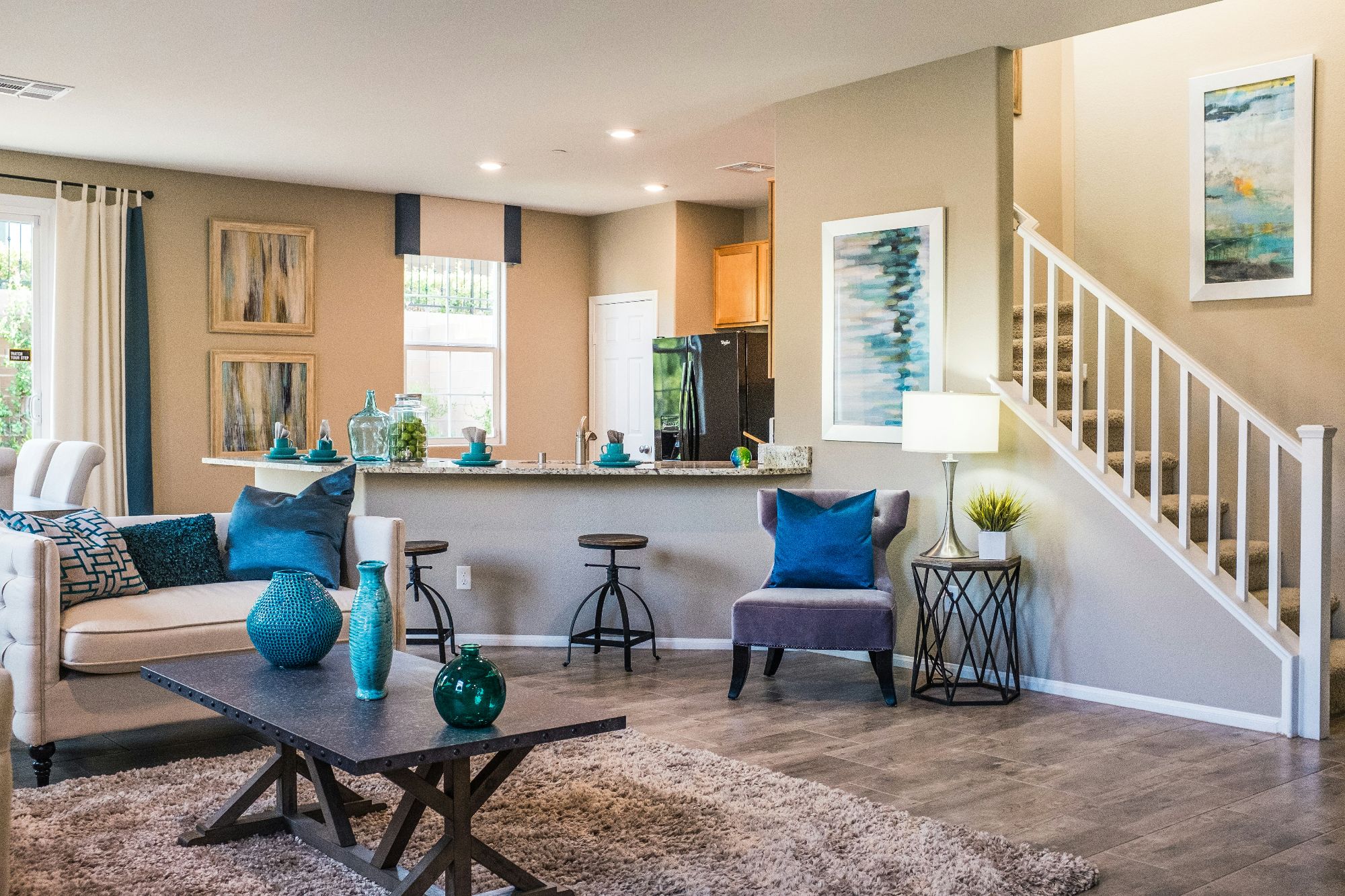
In this comprehensive guide, we will explore a myriad of DIY tips and tricks that will help you keep your home immaculate from top to bottom.
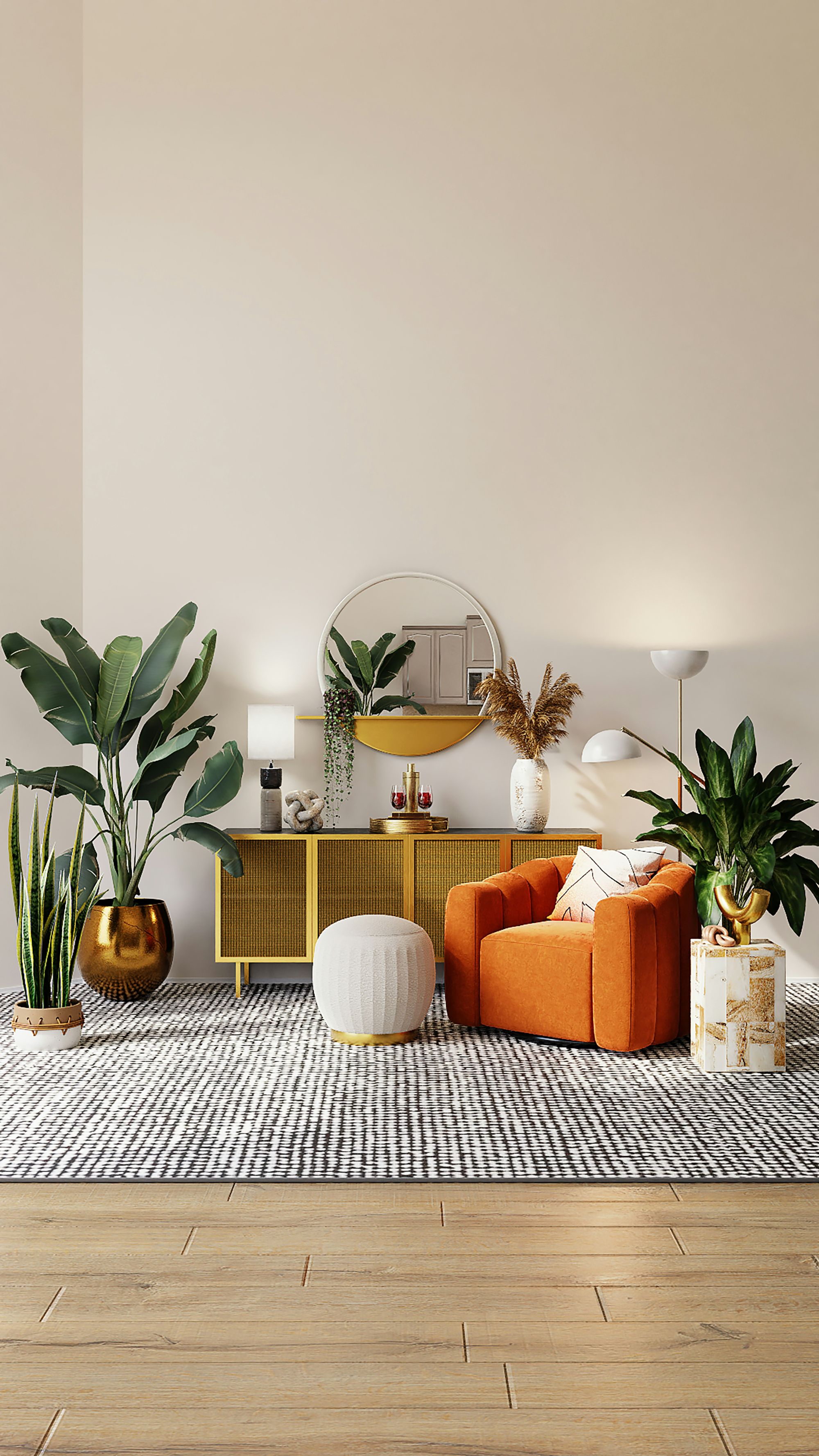
Explore the design trends shaping residential interiors in 2024, offering inspiration for creating your own haven of comfort and elegance.

A guide on how the sector is now experiencing a seismic shift driven by evolving customer behaviour and preferences. In this modern era of new-age consumers, convenience, personalization, and sustainability have emerged as paramount considerations, revolutionizing how properties are developed and sold.

A guide on how the sector is now experiencing a seismic shift driven by evolving customer behaviour and preferences. In this modern era of new-age consumers, convenience, personalization, and sustainability have emerged as paramount considerations, revolutionizing how properties are developed and sold.
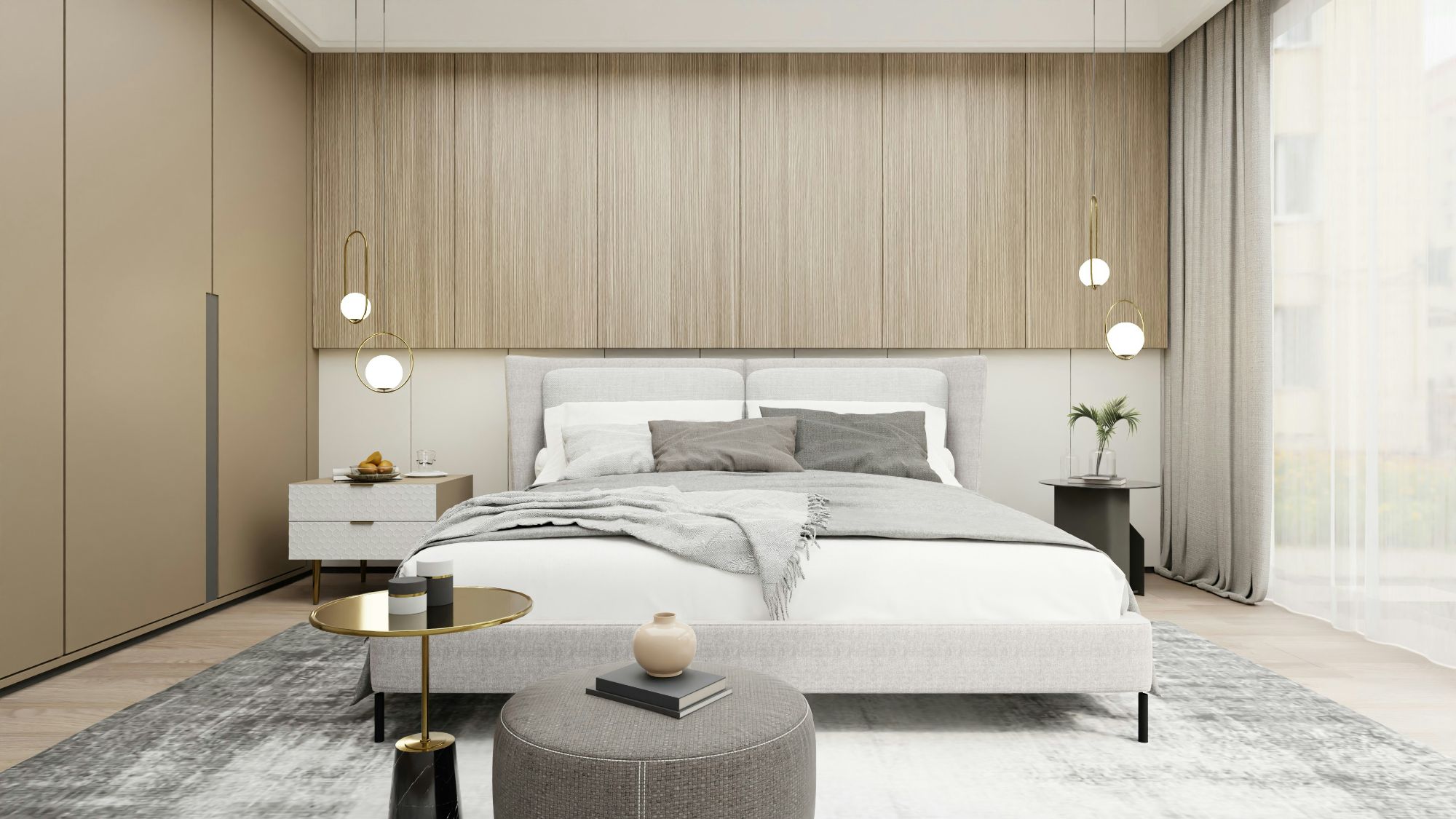
In the vibrant and ever-evolving landscape of Dubai, where luxury living meets contemporary design, the quest for space optimization is a perpetual pursuit. A guide on how functionality meets elegance, where clutter disappears into seamless designs.

Dubai, a city synonymous with luxury, innovation, and diversity, is a treasure trove of neighbourhoods waiting to be explored. As a premier real estate developer, Seddiqi Properties invites you to embark on a journey through some of Dubai's most coveted neighbourhoods, where rental offerings await to create your perfect home.

Seddiqi Properties are strategically located near fitness centres, parks, and a plethora of outdoor activities, ensuring that residents can seamlessly integrate health and wellness into their daily routines.
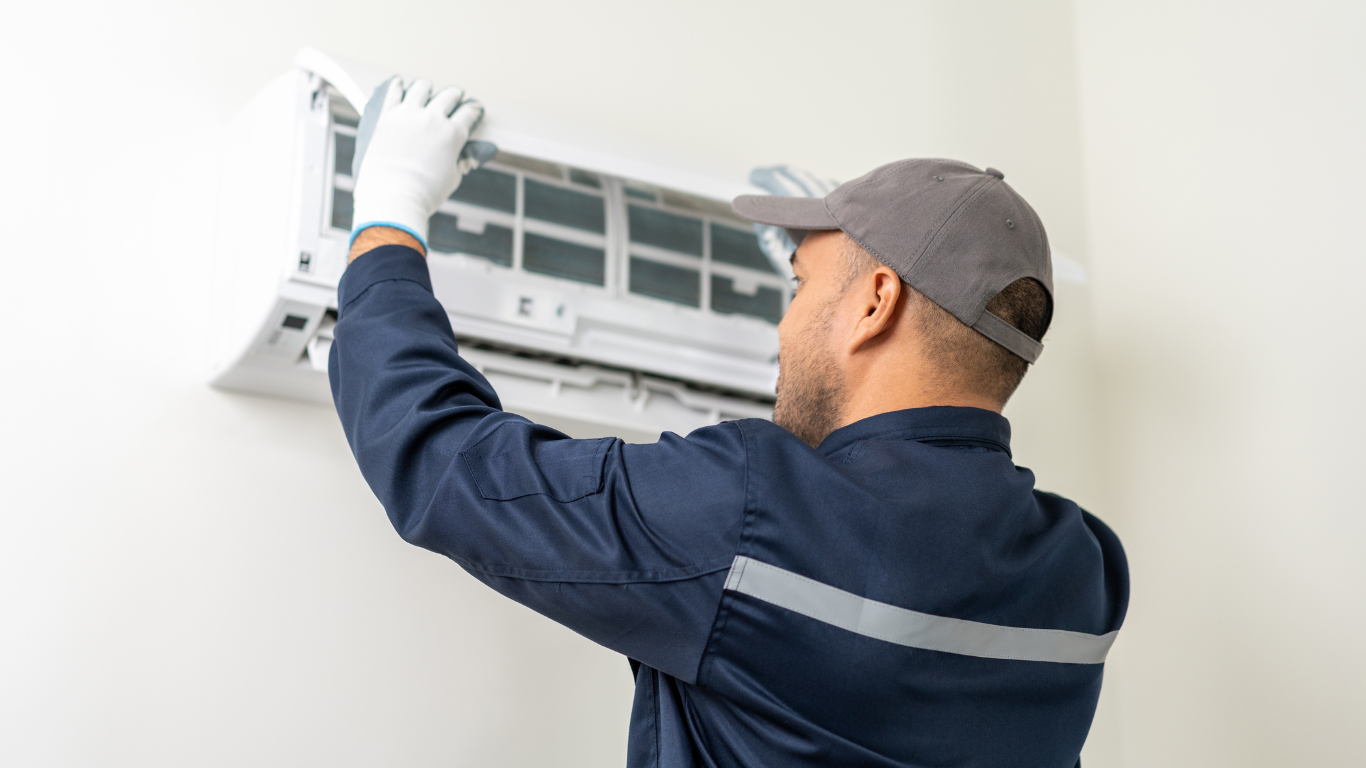
This guide provides practical tips and best practices to help you keep your unit in pristine condition, alongside efficient ways to request maintenance support from Seddiqi Properties.
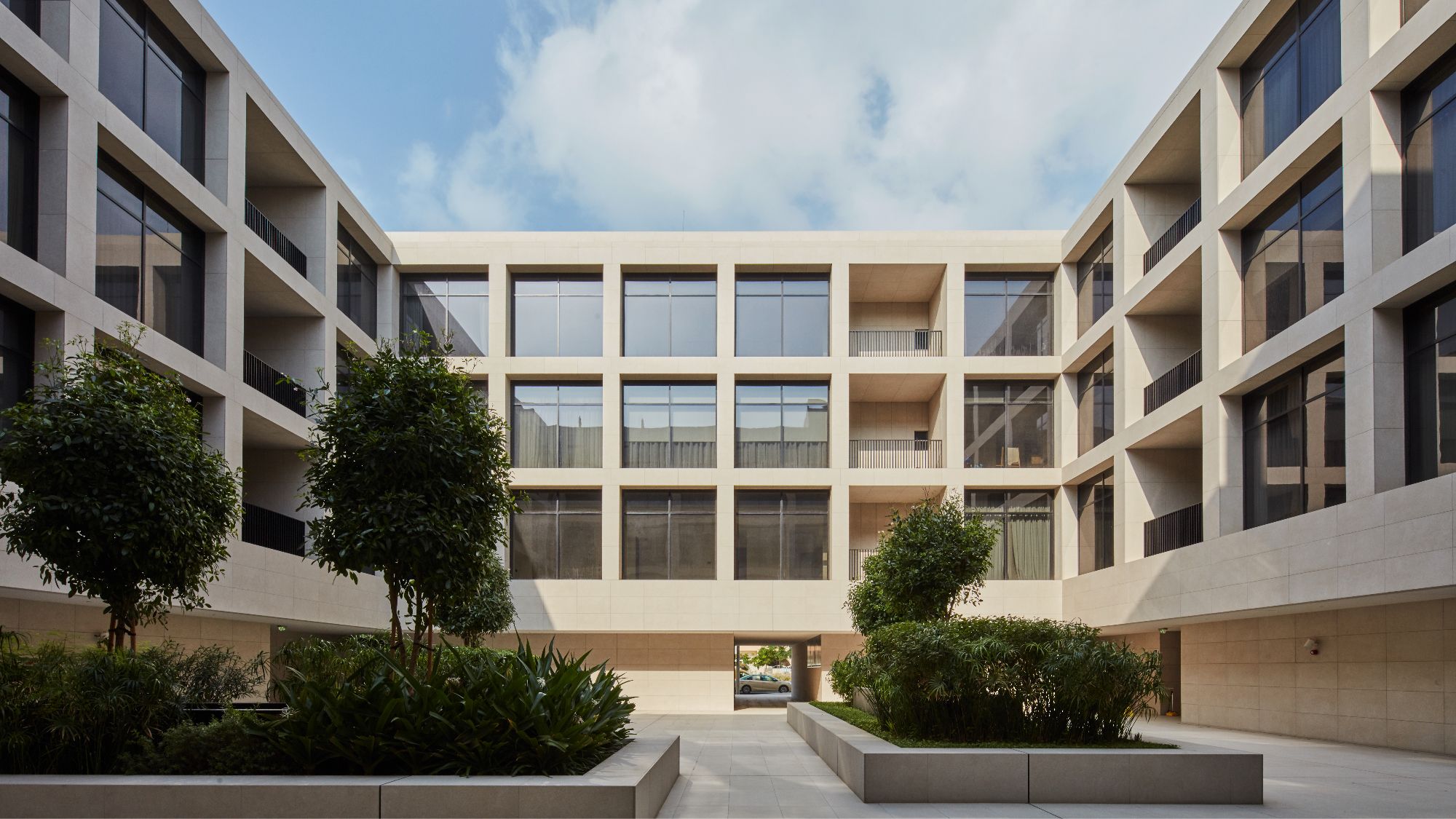
This guide provides a curated itinerary to showcase a day in the life of a Seddiqi Properties resident, highlighting the convenience and accessibility of living in these exclusive rentals.
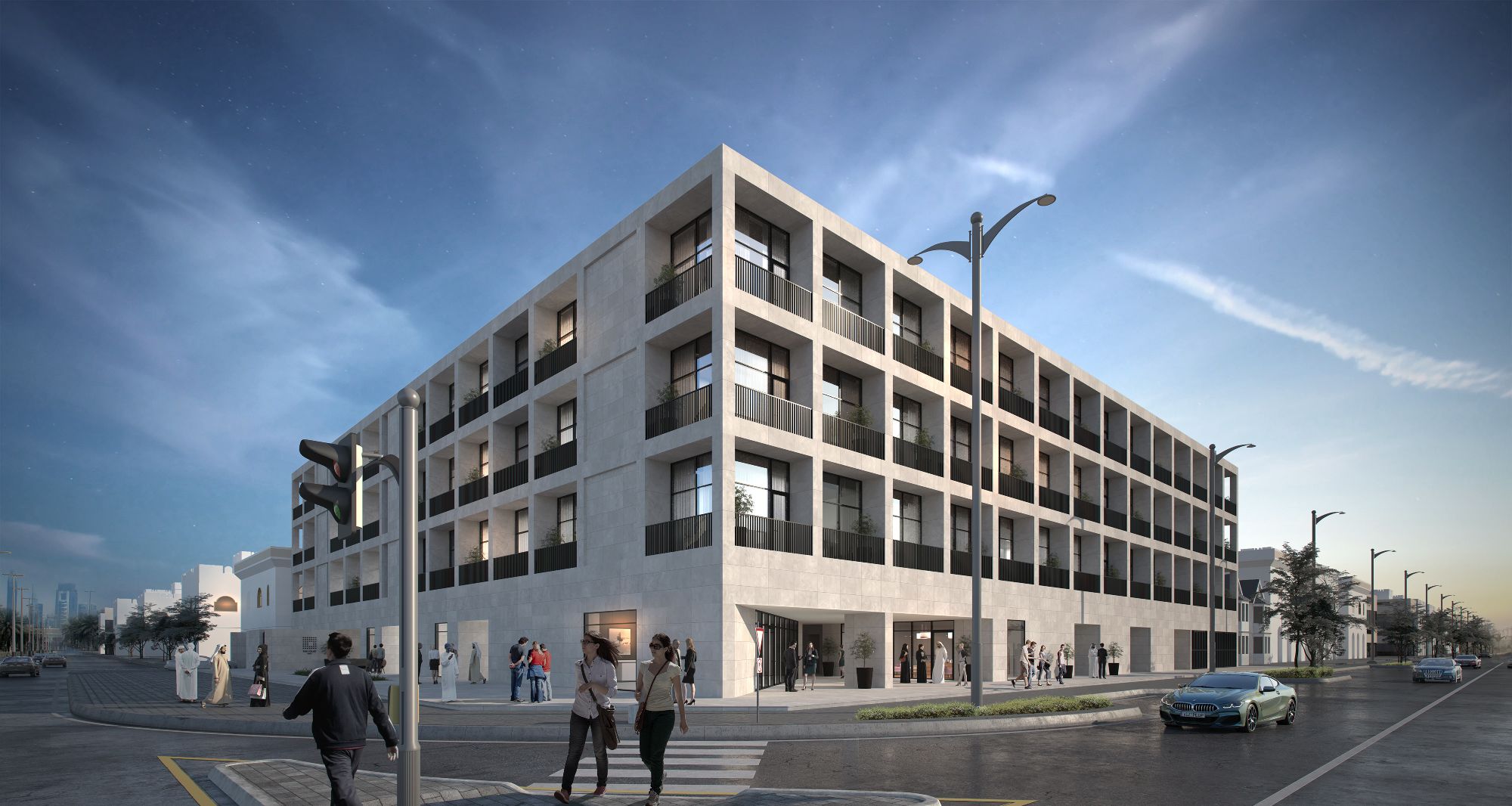
This guide offers an exclusive look at Seddiqi Properties' premier residential and commercial locations in Dubai, showcasing the luxury, innovation, and vibrant lifestyle that make these properties highly desirable for tenants.
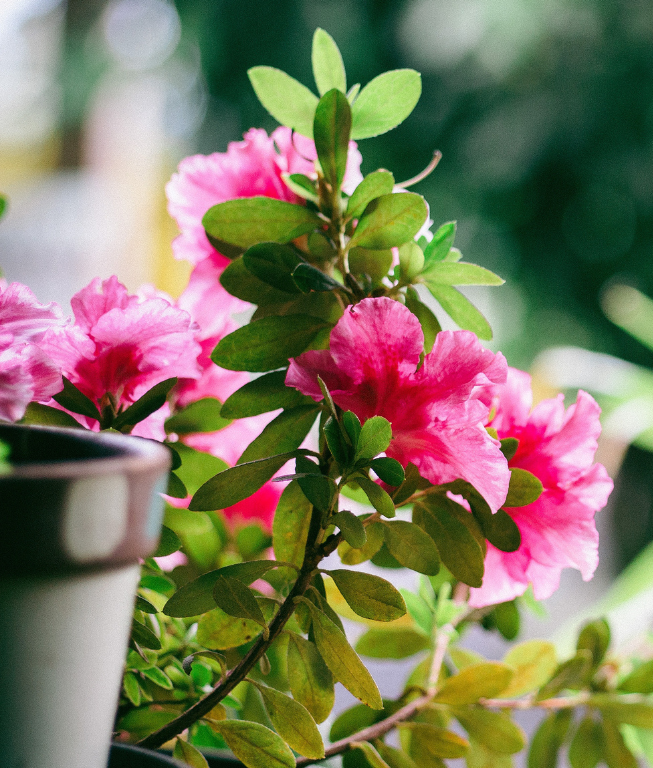
A guide on how to keep your plants healthy in Dubai's heat
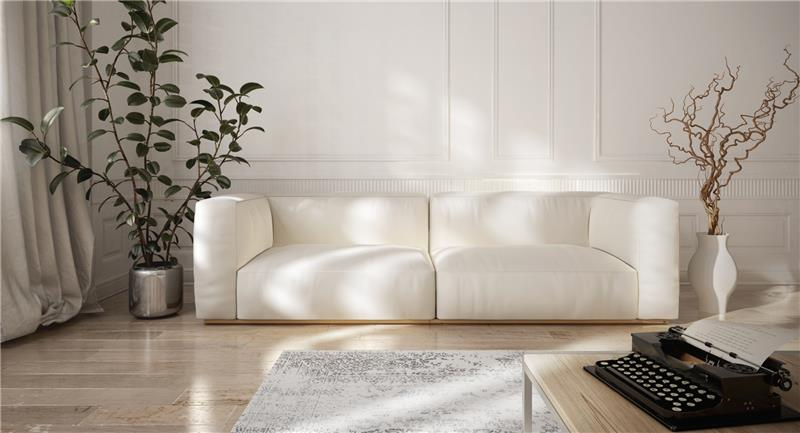
A guide on how to keep your plants healthy in Dubai's heat
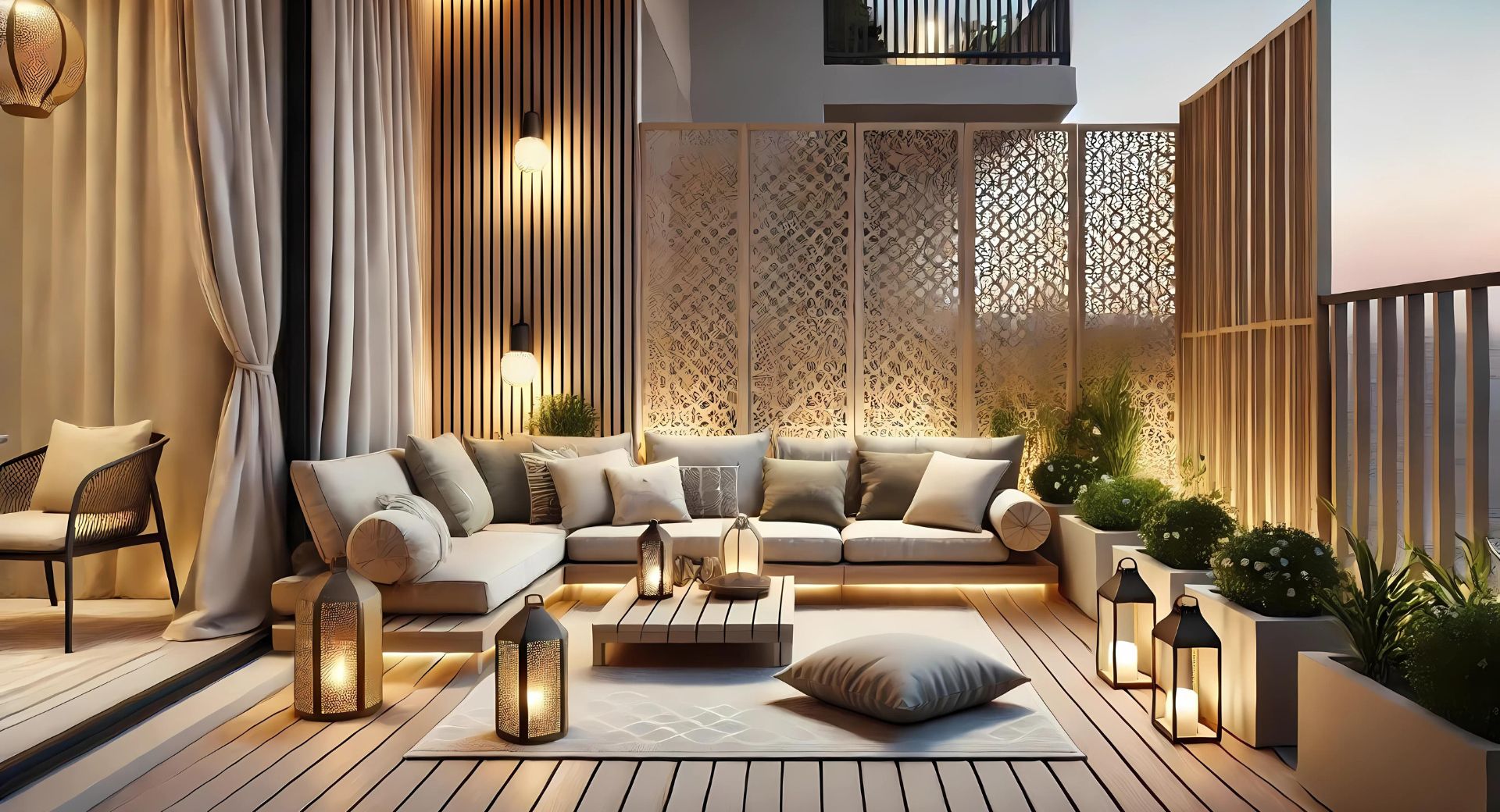
In this guide, we’ll explore how to design a mesmerizing outdoor space complete with plush cushions, ornate lanterns, and flowing curtains, perfect for hosting elegant soirées or intimate gatherings under the starry Dubai sky.
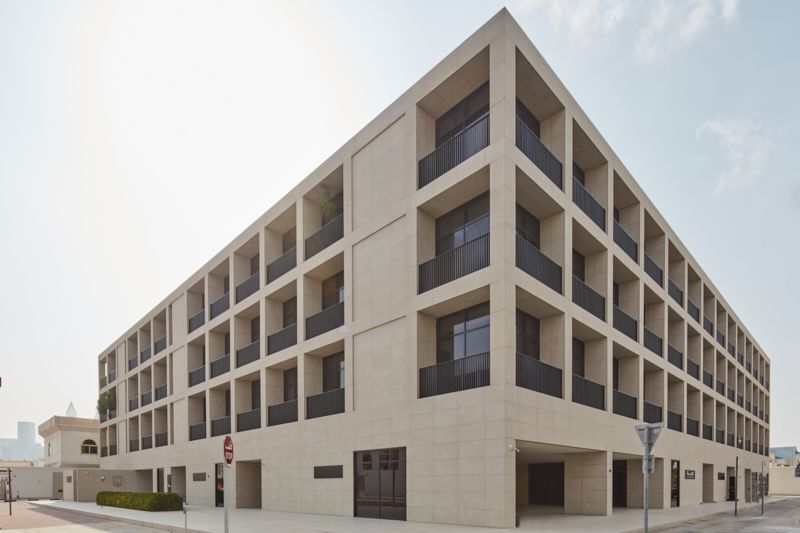
In this guide, we’ll explore how Seddiqi Properties has earned a reputation for its exceptional residential developments, which merge modern architectural innovation with timeless elegance. Each property, from Rolex Tower to The Court and Reem VI, embodies a unique blend of contemporary design and luxurious finishes, creating spaces that feel both sophisticated and inviting.
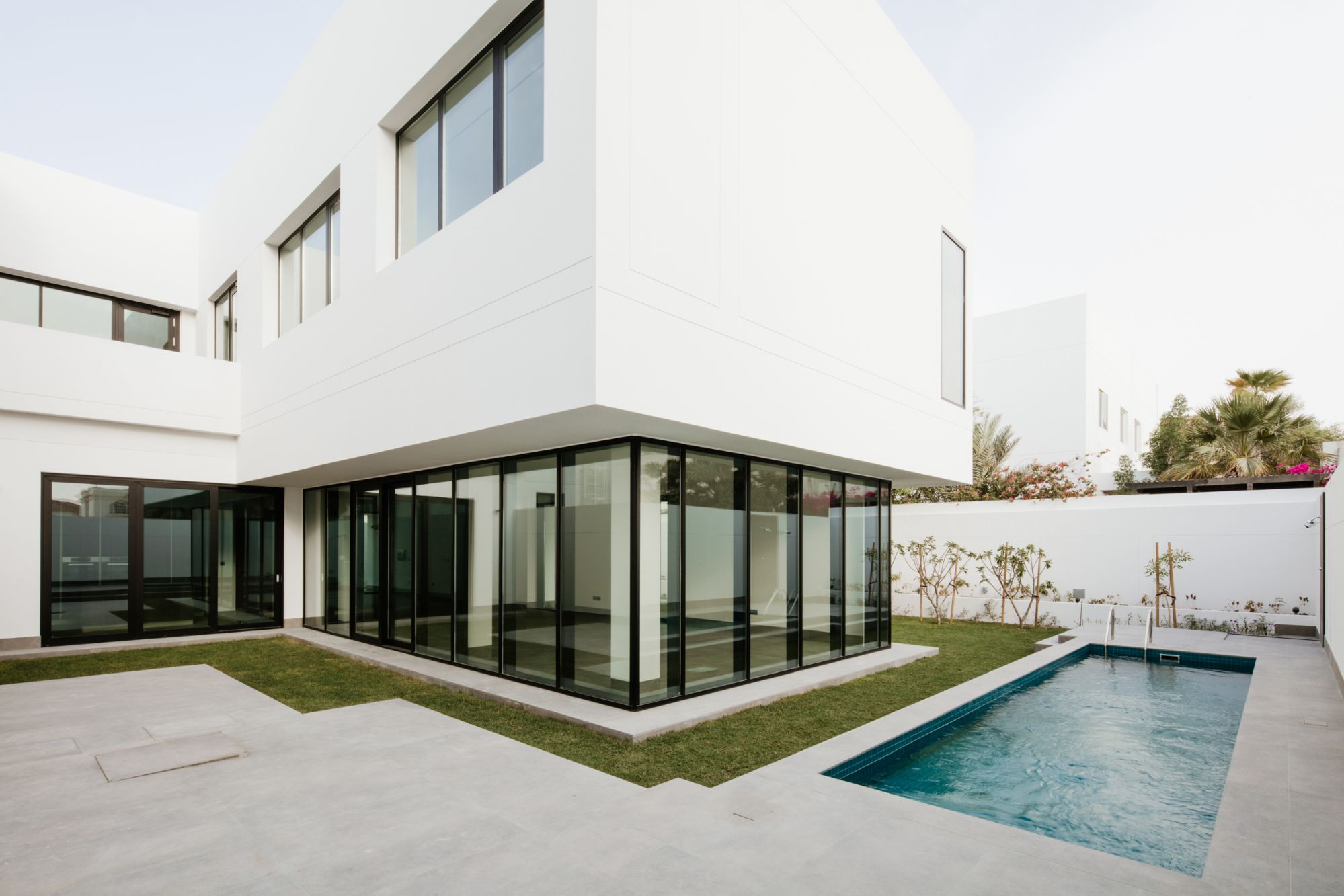
In this guide, we’ll explore how each Seddiqi-managed property emphasizes safety, community, and comfort, combining luxury with practical, family-focused features like proximity to schools, easy access to parks, and built-in leisure facilities.
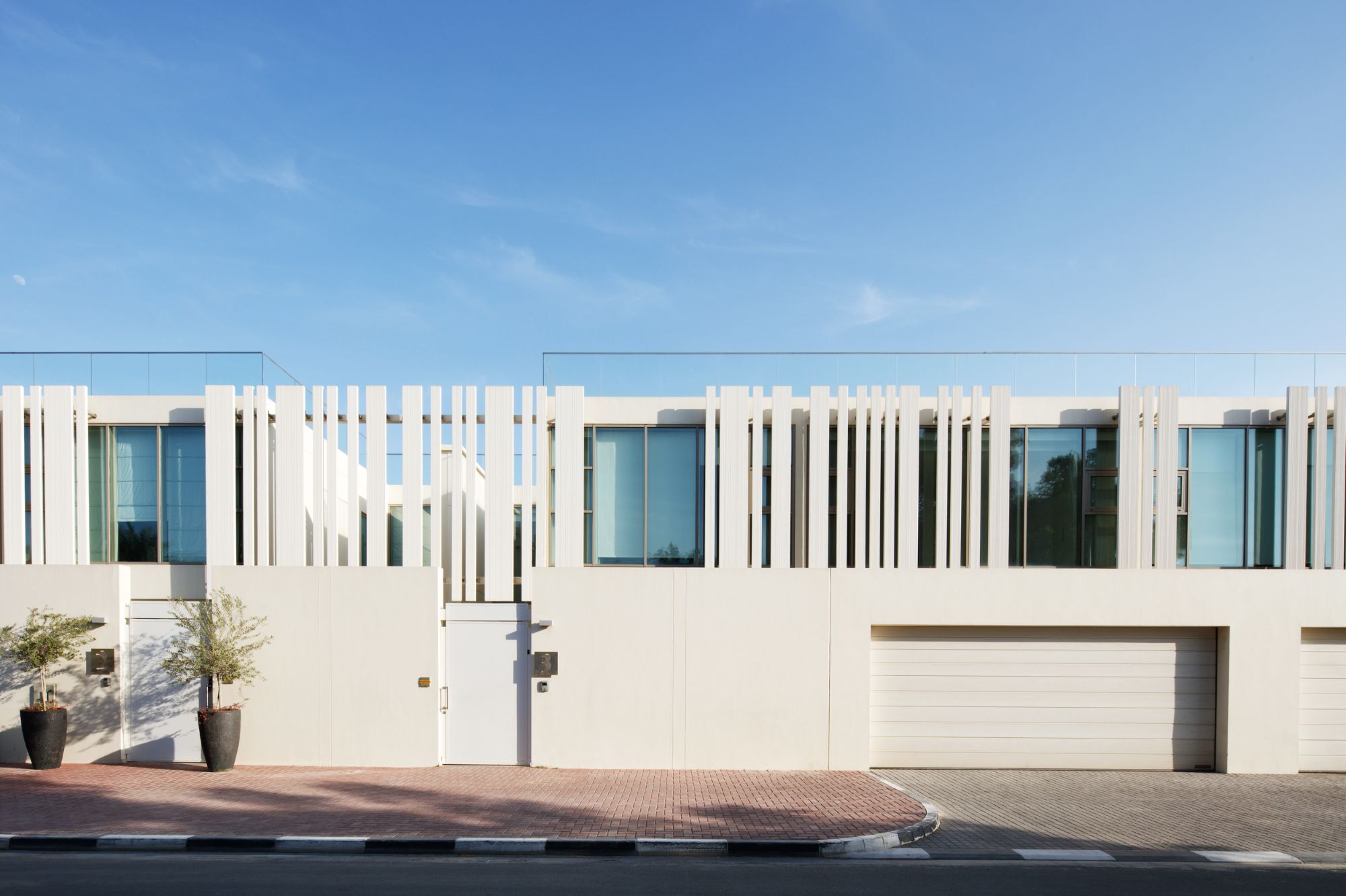
In this guide, we’ll explore how Seddiqi Properties manages a portfolio of residential properties strategically located to provide unparalleled access to these attractions, blending luxury living with convenience and prestige.
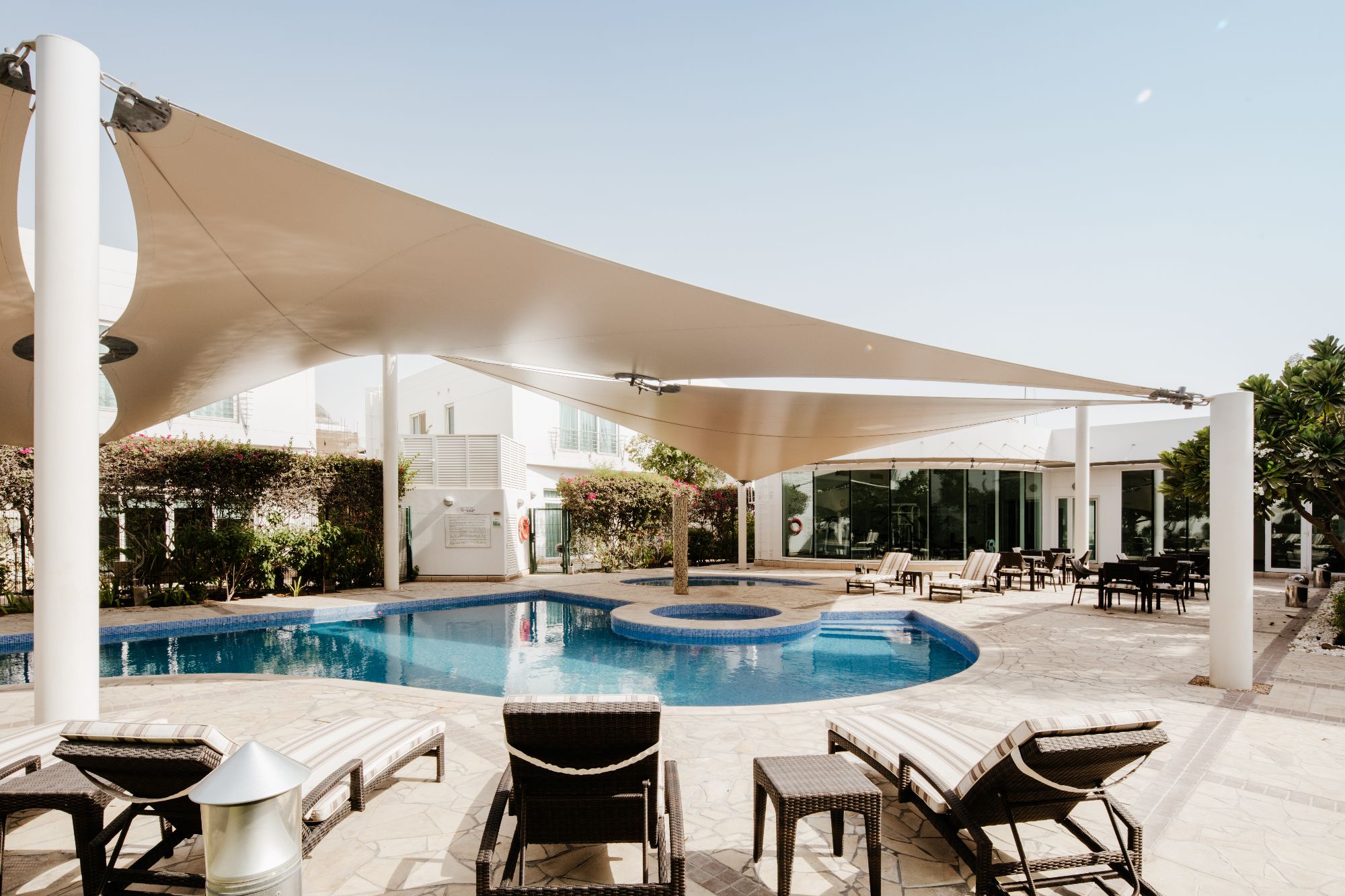
In this guide, we’ll explore a diverse portfolio of residential properties at Seddiqi Properties, some of which include thoughtfully designed health and wellness amenities aimed at promoting healthy and balanced lifestyles.
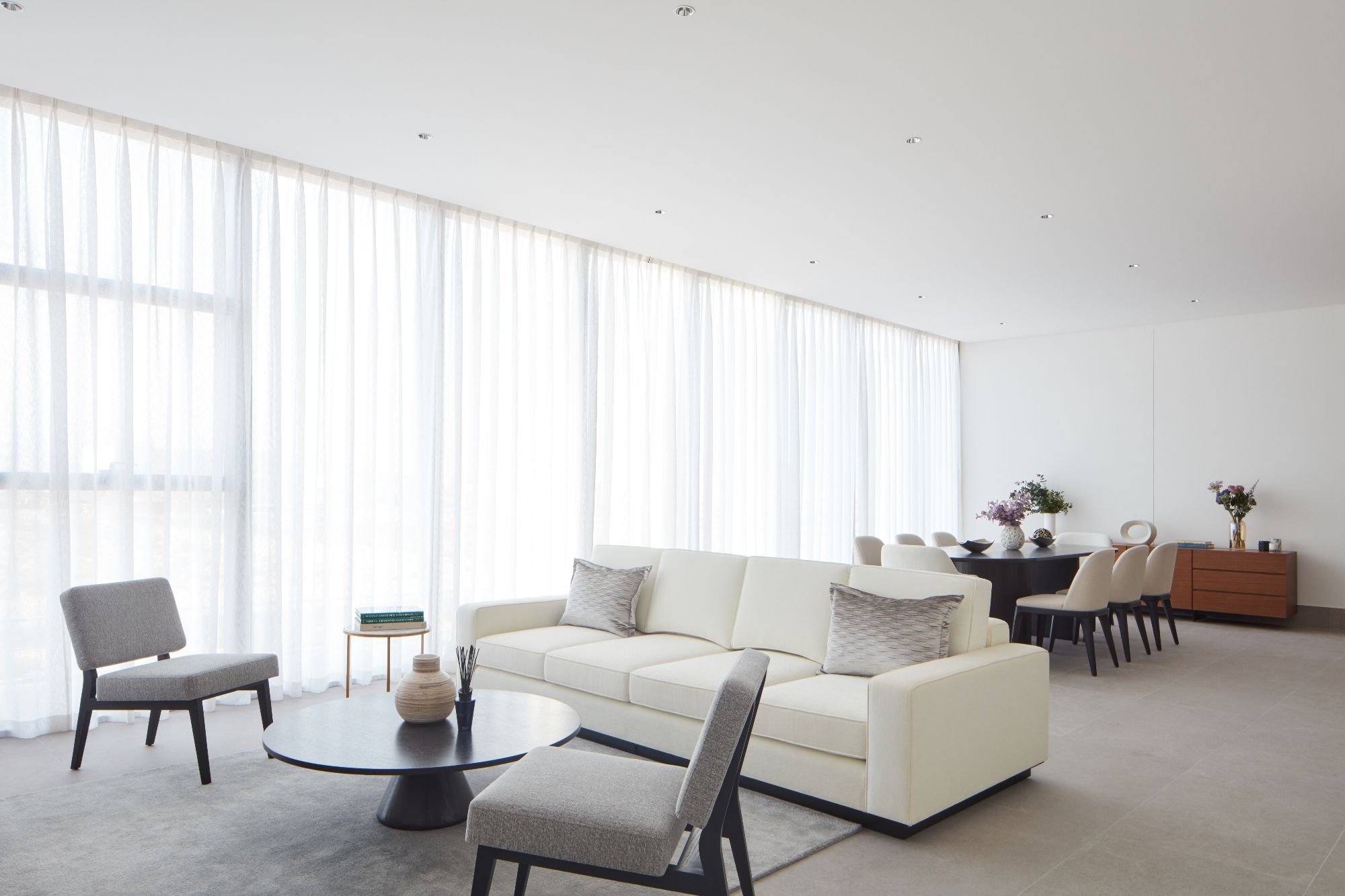
Selling furniture can help you curate your space or start fresh when moving in or out. To make the process easier, this guide will show you six tips to successfully sell your furniture and maximize your earnings.

A reflection on Dubai's 2024 real estate market, highlighting key trends like rising luxury property demand and a growing emphasis on sustainability, offering valuable insights for Seddiqi Properties' residents and investors.
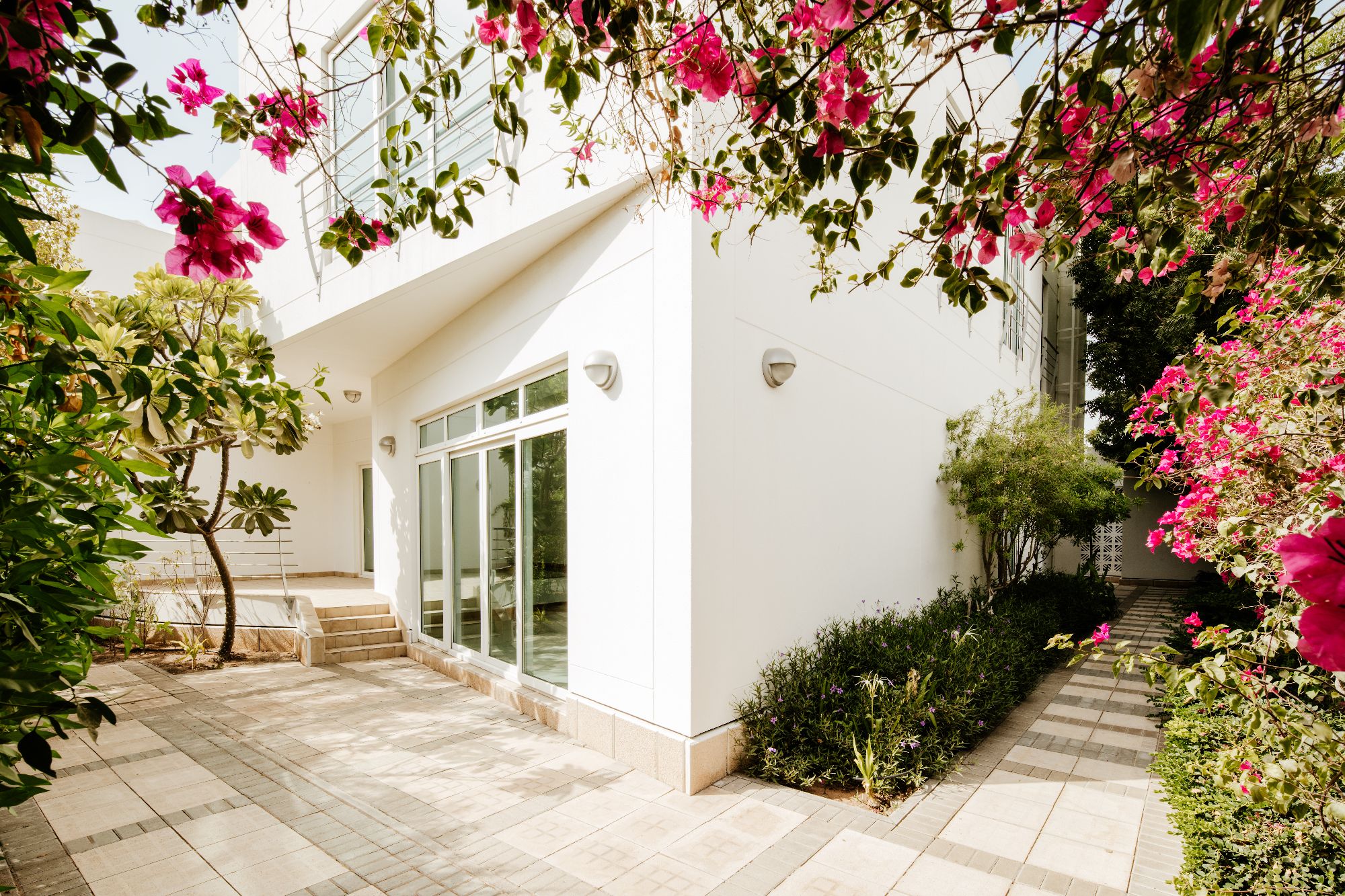
Discover renter-friendly ways to personalize your Dubai rental property with Seddiqi Properties, ensuring a homely space while respecting tenancy agreements.
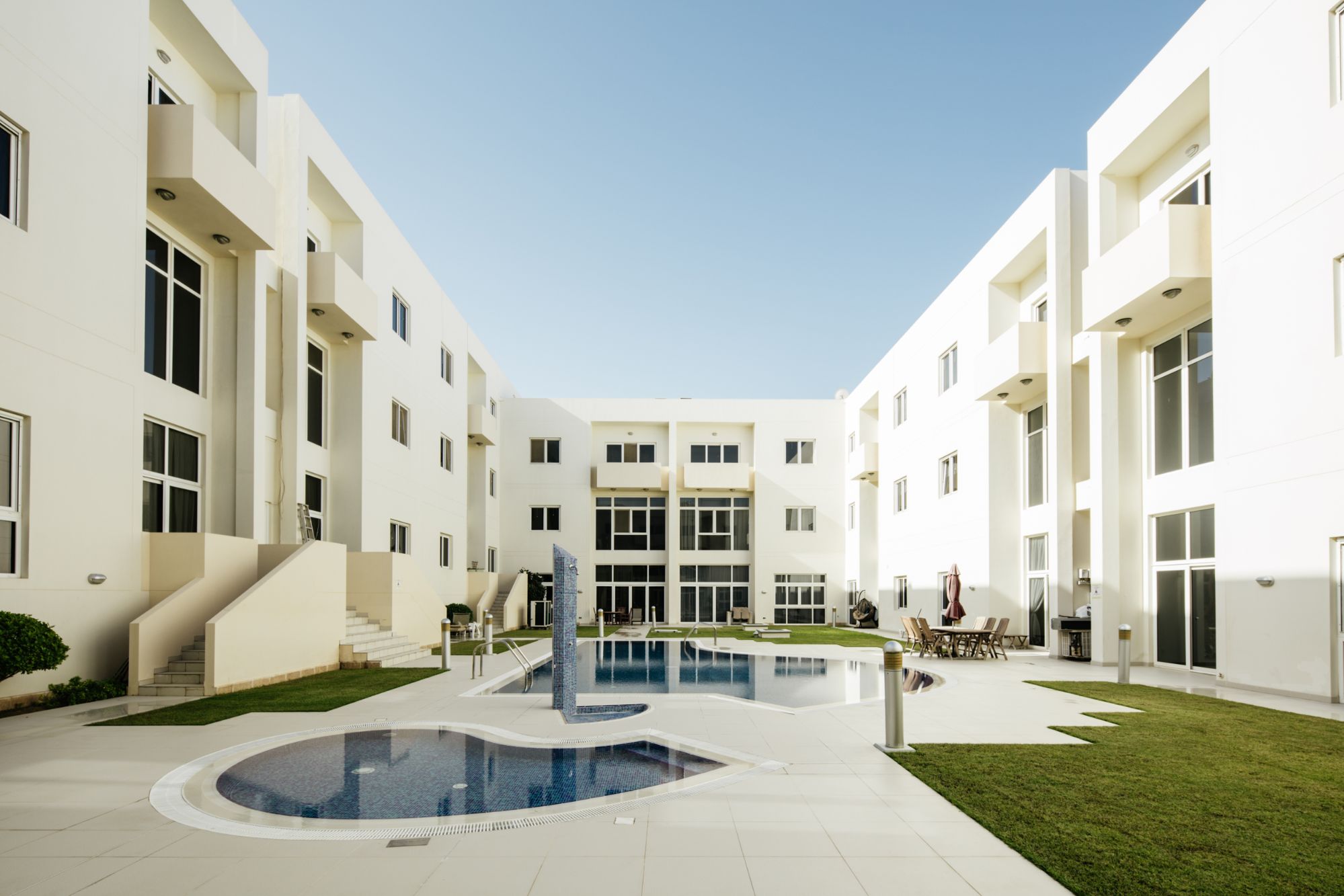
A guide on how Seddiqi Properties redefines family living through its innovative design philosophy and family-focused features.
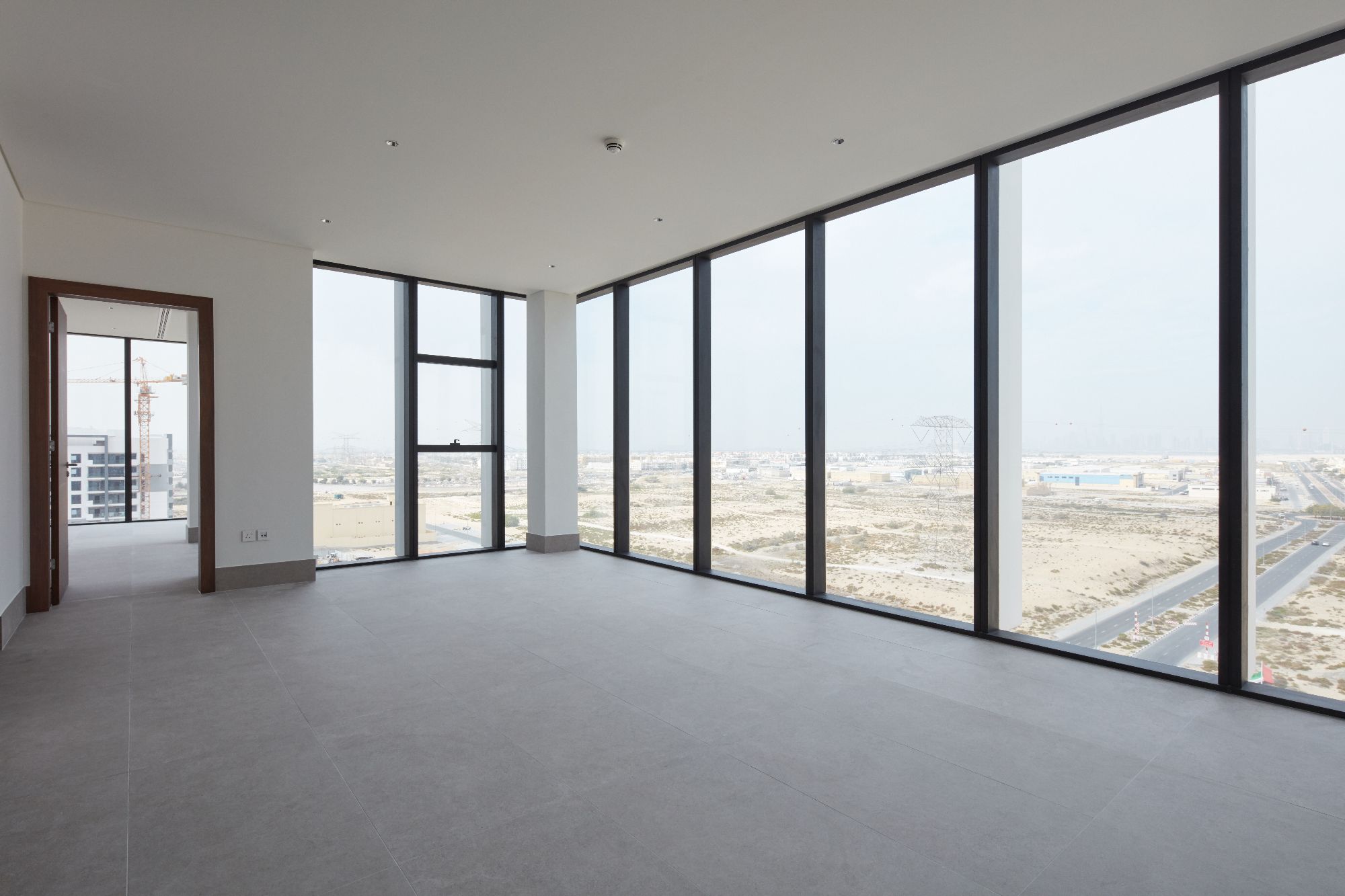
A guide on some tips to help maximize natural light in Seddiqi properties before exploring the unique features of a few developments.
In this guide, we’ll explore what makes Seddiqi Properties' concierge services exceptional and how they provide a seamless living experience while helping you navigate Dubai’s competitive rental market.
Seddiqi Properties offers a range of pet-friendly residences designed to cater to both you and your beloved animals, ensuring that your home is as comfortable for them as it is for you.
A guide on how you can master the art of entertaining in apartment living, making the most of your space while embracing Dubai’s climate and cosmopolitan lifestyle.
A guide on how living in one of our well-located, well-managed properties can positively impact your lifestyle in meaningful ways.
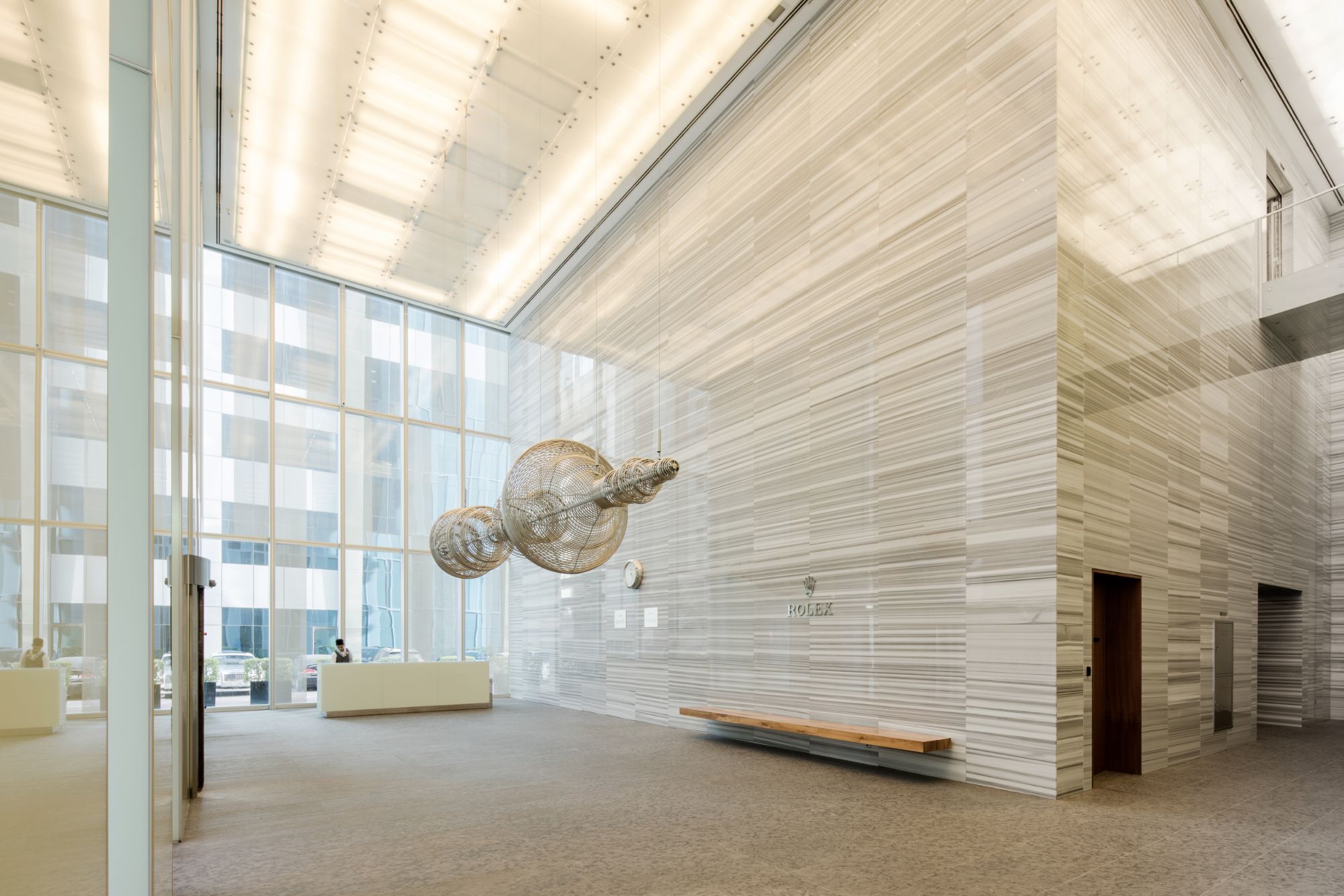
A guide to help you navigate the key clauses found in most residential lease agreements in Dubai.
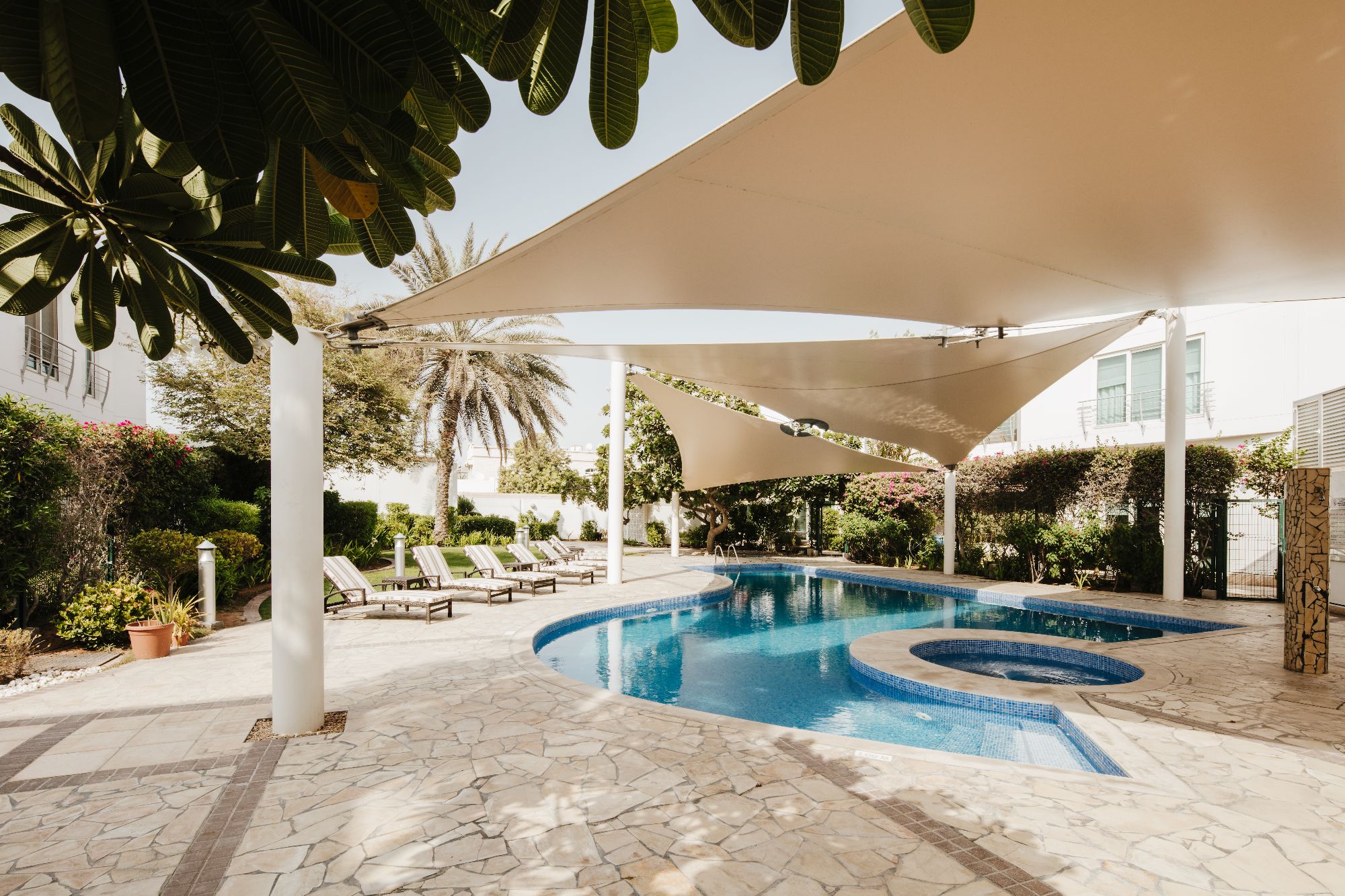
A guide about Seddiqi Properties shared amenities that promote wellness, social connection, and personal growth.

A guide from Seddiqi Properties on a few seasonal updates can help you make the most of summer living, indoors and out.
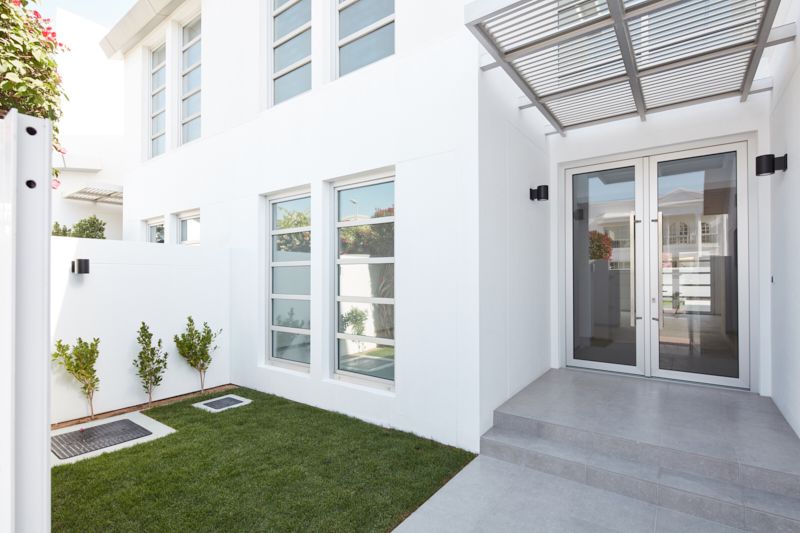
Discover how Seddiqi Properties delivers a seamless, service-led experience through the combined efforts of its Leasing, Property Management, and Facility Management teams.
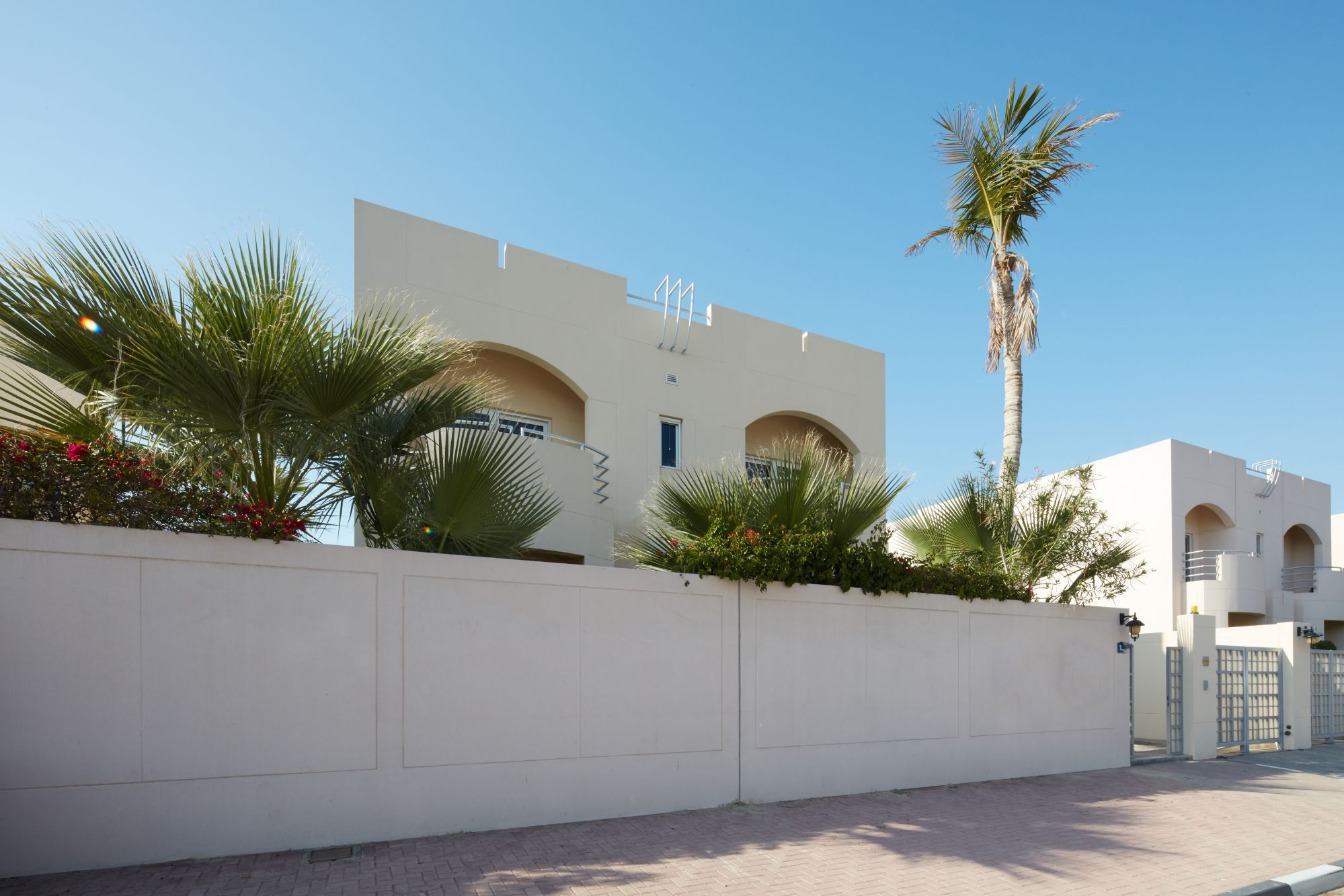
Navigate your next move effortlessly with Seddiqi’s step-by-step guide, ensuring a smooth and stress-free transition into or out of your rental property.
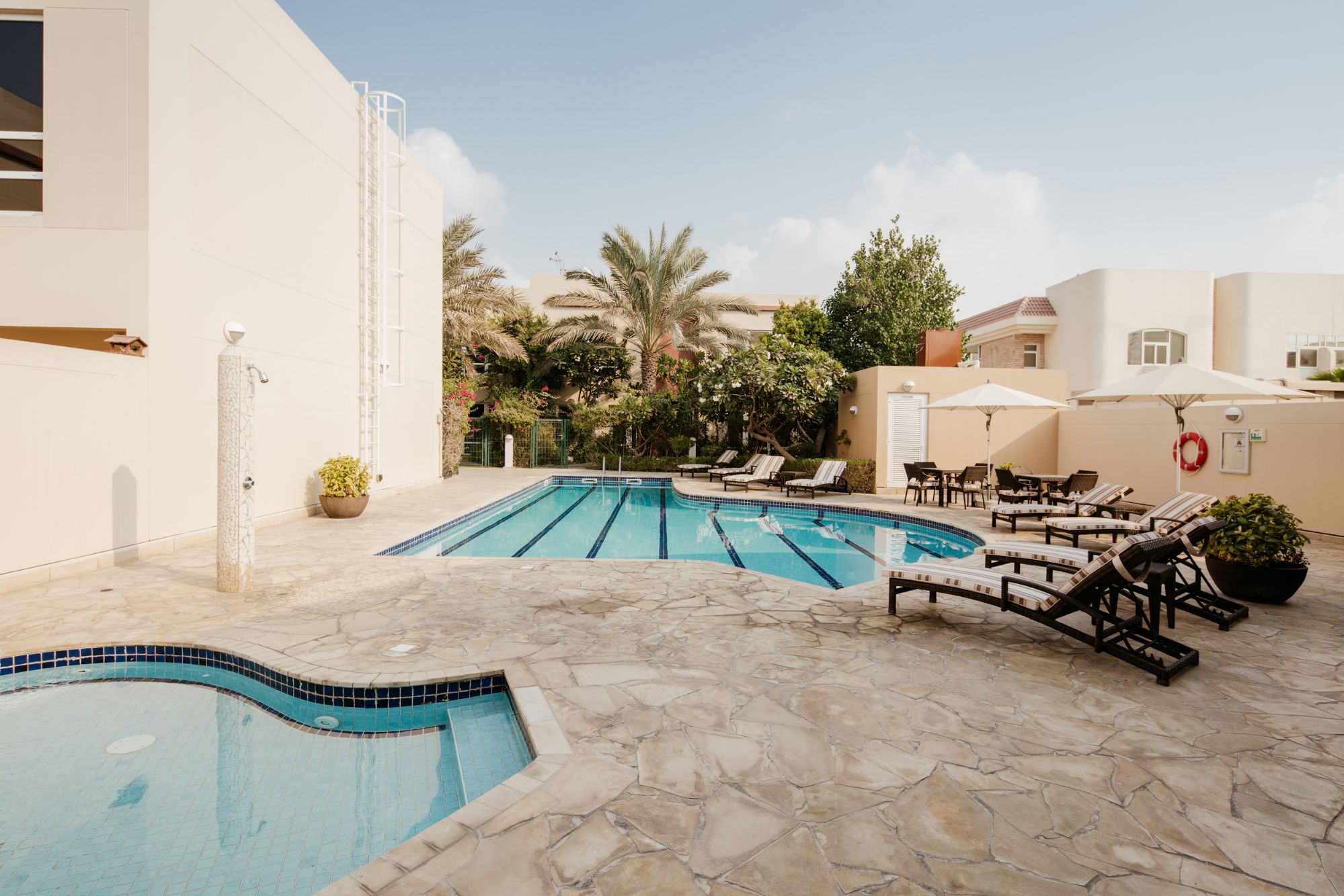
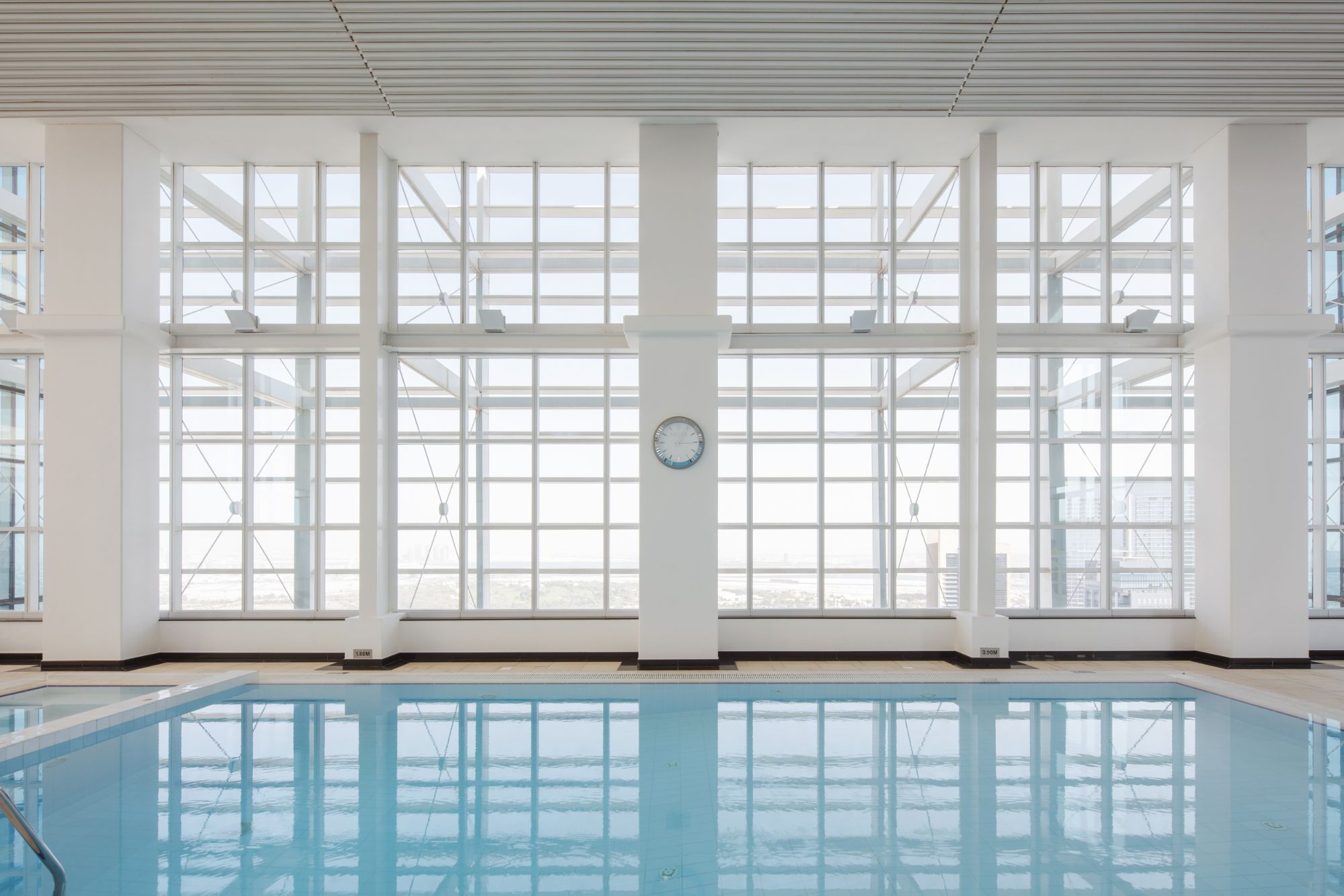
As the Dubai summer sets in, communal pool areas across our portfolio become focal points of everyday living bringing neighbours together to relax, recharge, and connect. From elevated rooftop escapes to shaded courtyard sanctuaries, these thoughtfully designed spaces are an essential part of how Seddiqi helps residents make the most of summer.
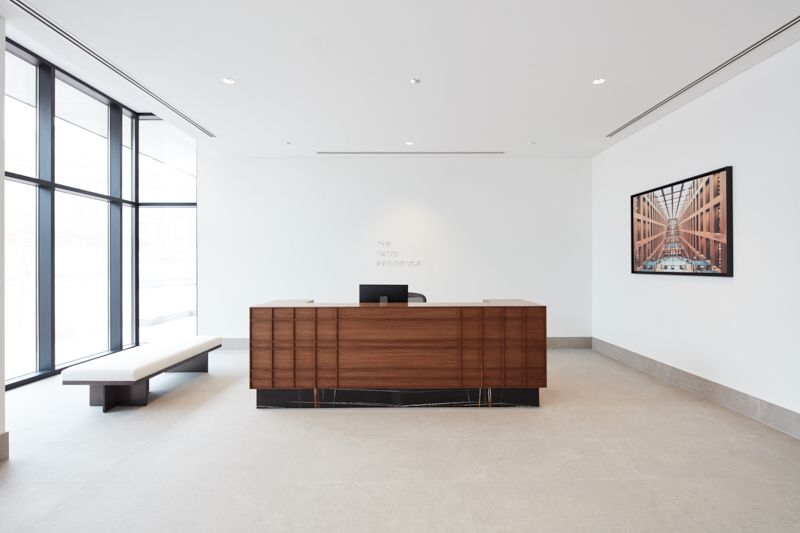
A behind-the-scenes look at how Seddiqi Properties redefines moving in, from curated handovers and personalised support to thoughtful touches that turn a key handover into the beginning of something truly special. Discover how Seddiqi sets a new benchmark for residential hospitality in Dubai.
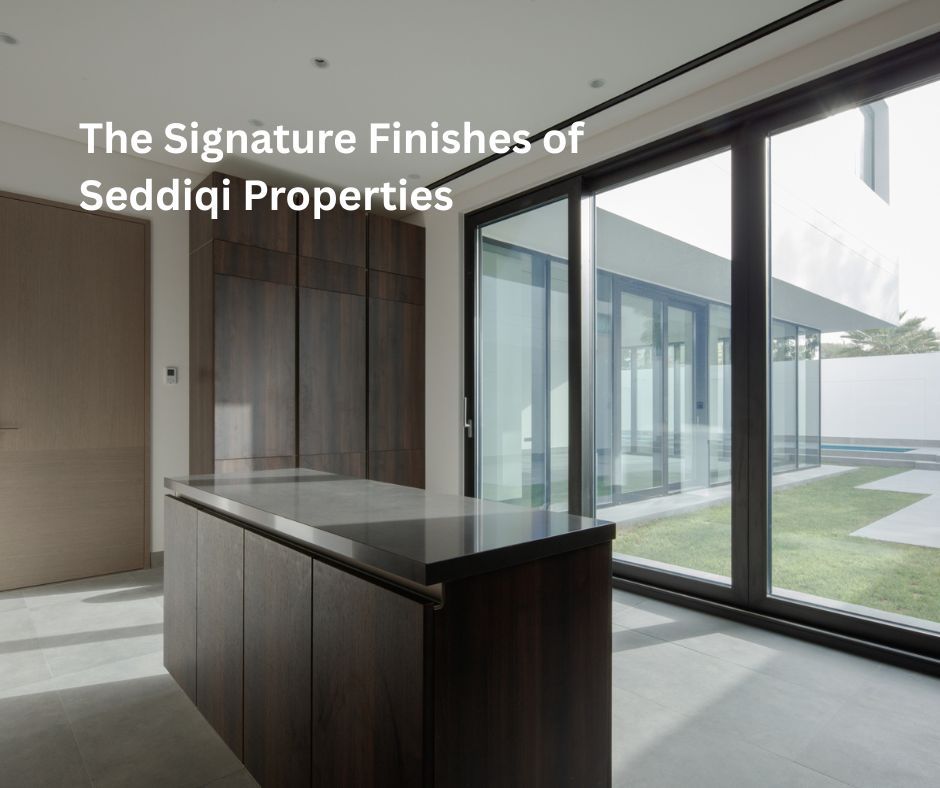
Seddiqi Properties brings to the market a carefully curated portfolio of residential buildings across Dubai offering well-maintained, tastefully finished homes in some of the city’s most desirable locations.
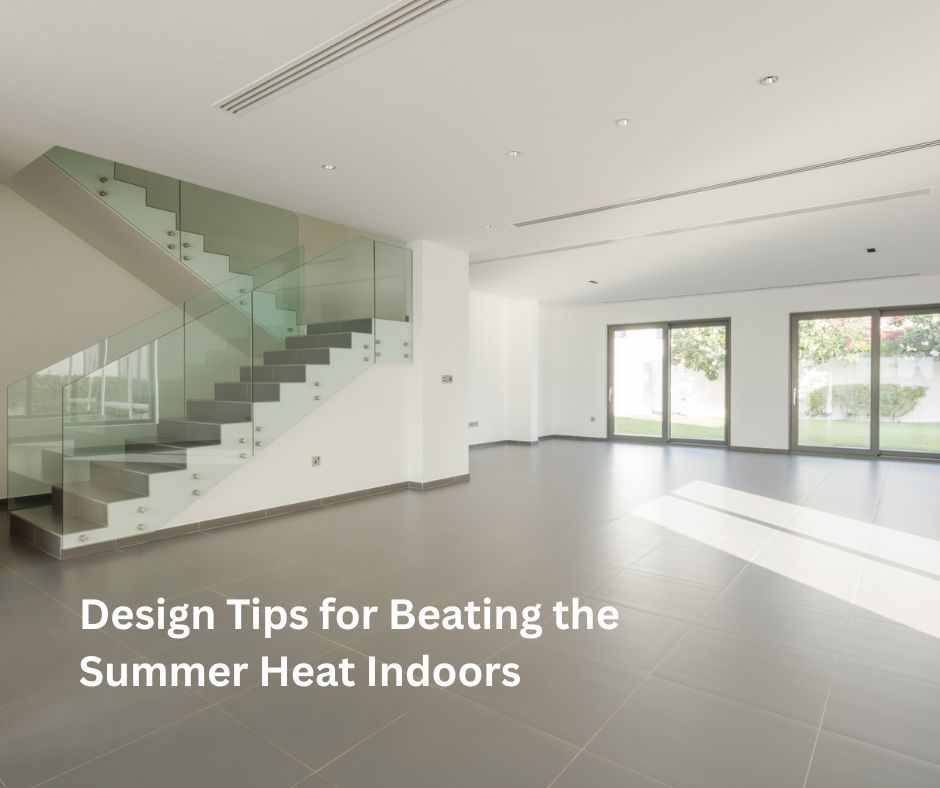
Effortless styling ideas to keep your Seddiqi rental property comfortable and chic during Dubai’s hottest months.
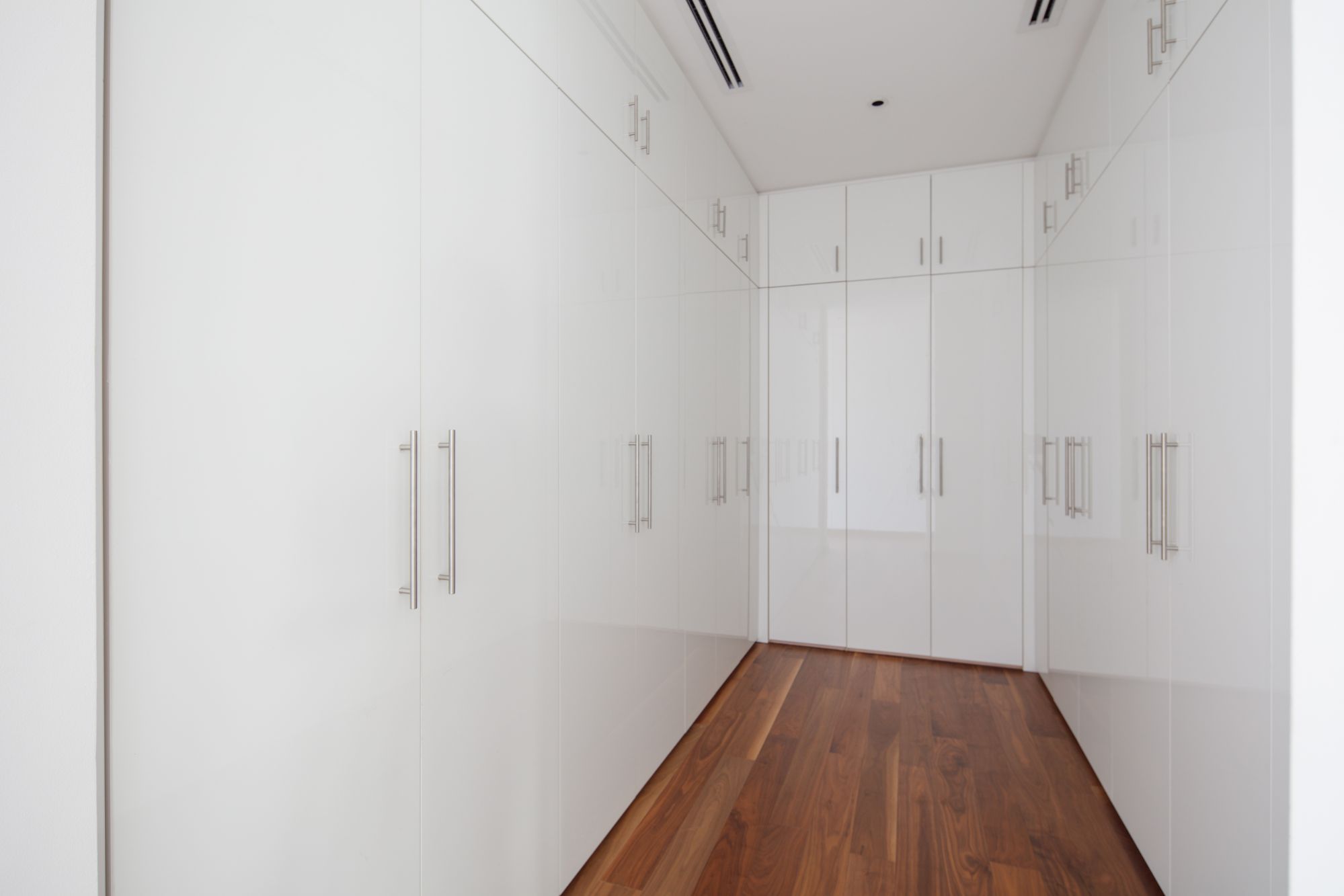
Seddiqi Properties blends elegance with practicality through built-in storage that keeps homes refined and functional.
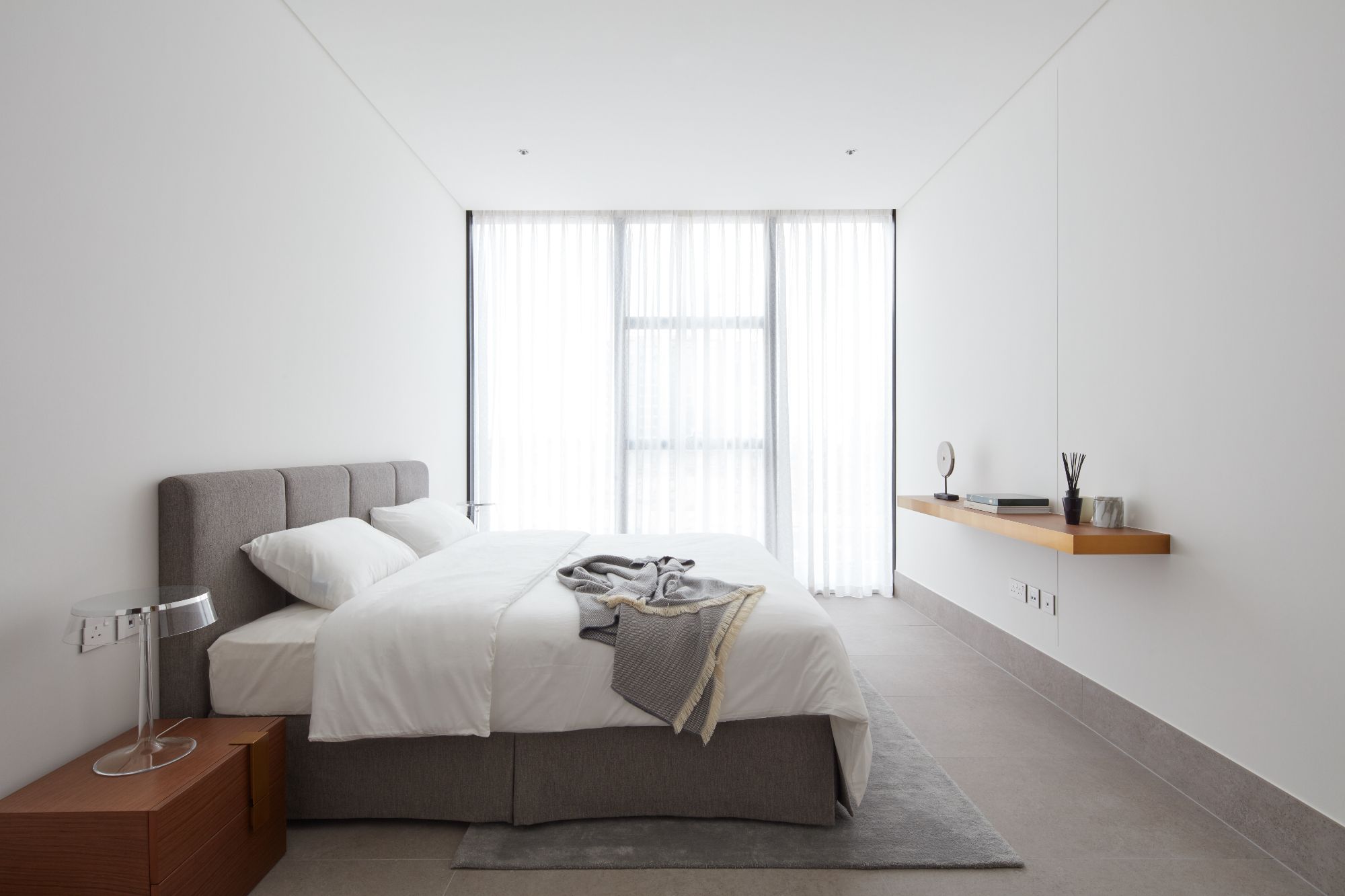
Seddiqi Properties residences are designed with these principles in mind, offering thoughtfully crafted spaces that lend themselves perfectly to the latest bedroom design trends.
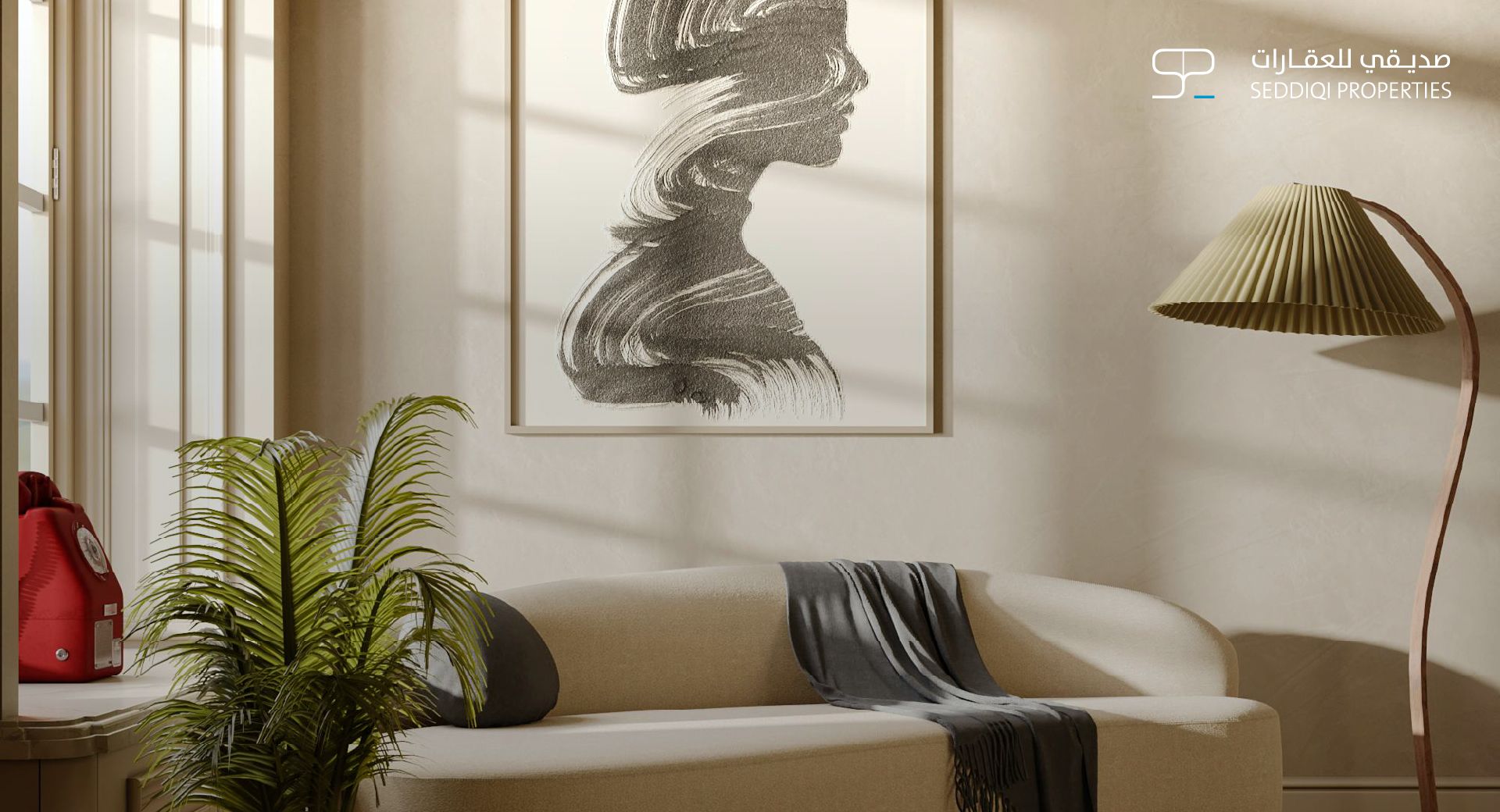
Discover how minimalism at Seddiqi Properties transforms homes into serene sanctuaries: inviting ease, comfort, and personal intention in the heart of a fast-paced city.
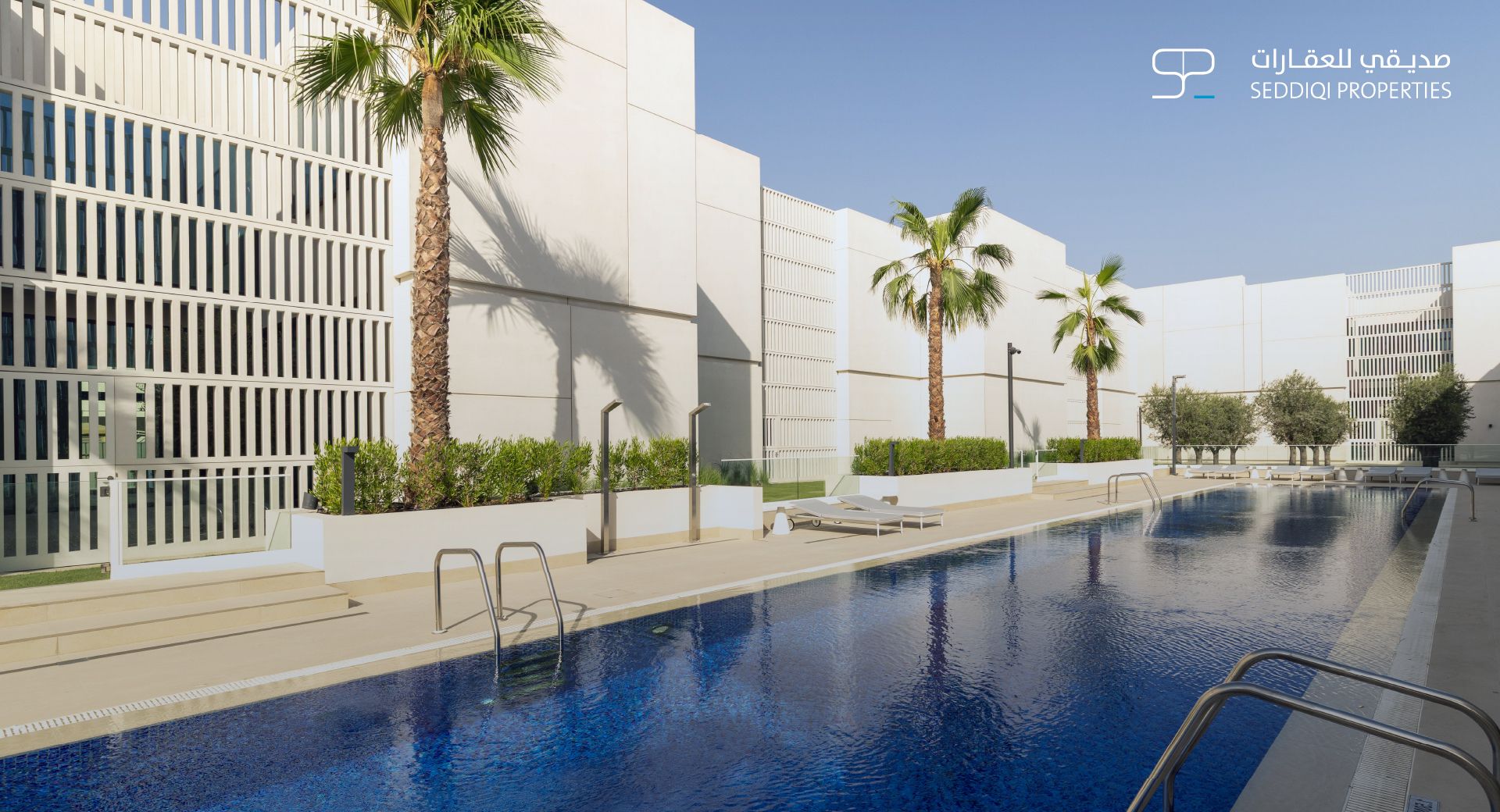
Discover wellness-inspired living at Seddiqi Properties, where every Dubai residence blends comfort, design purity, and service excellence. Creating space to reset, realign, and thrive.
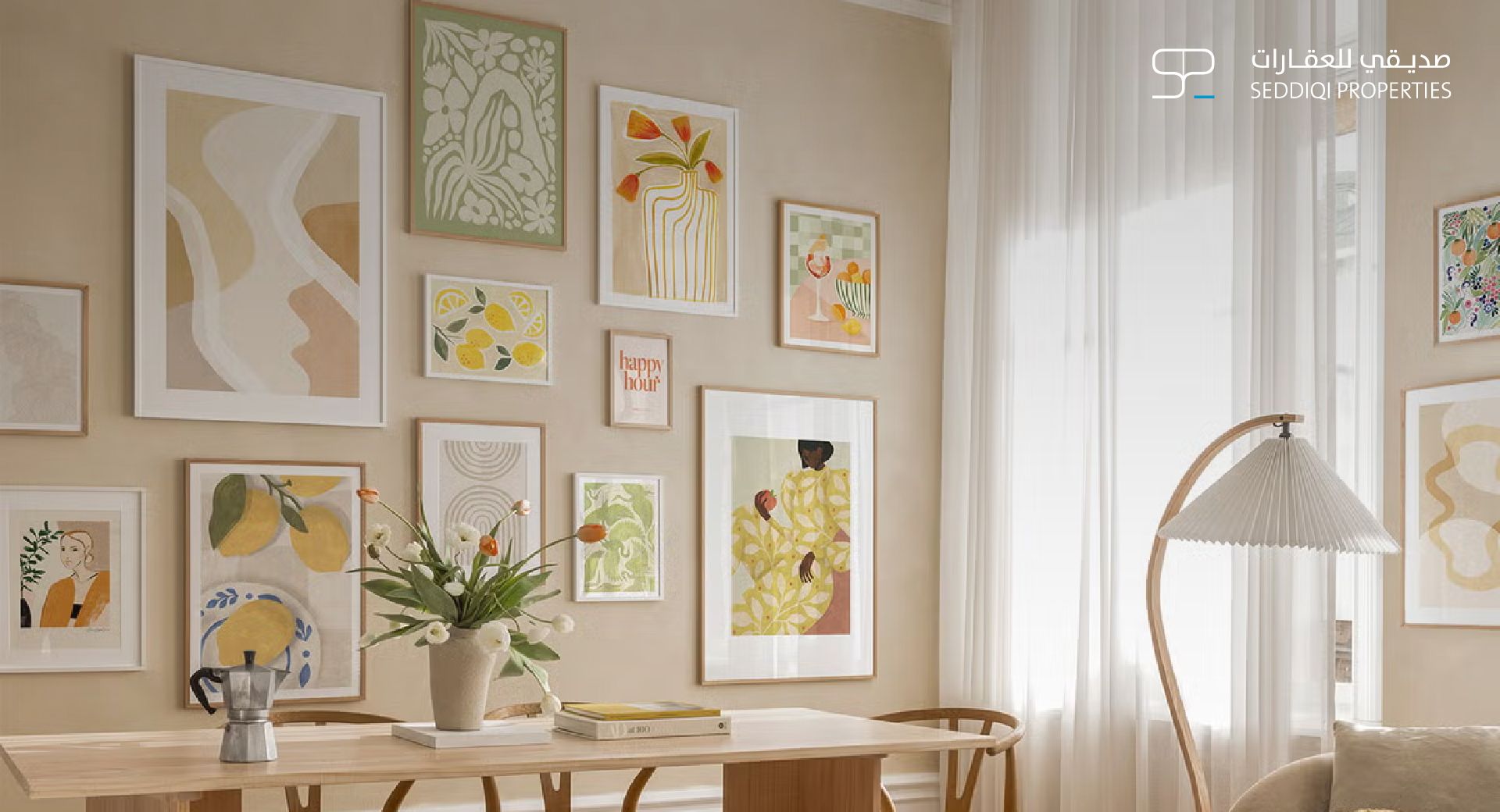
Transform blank walls into a statement of elegance. Discover how to create a gallery wall that reflects your story while complementing Seddiqi Properties’ premium finishes and timeless design.
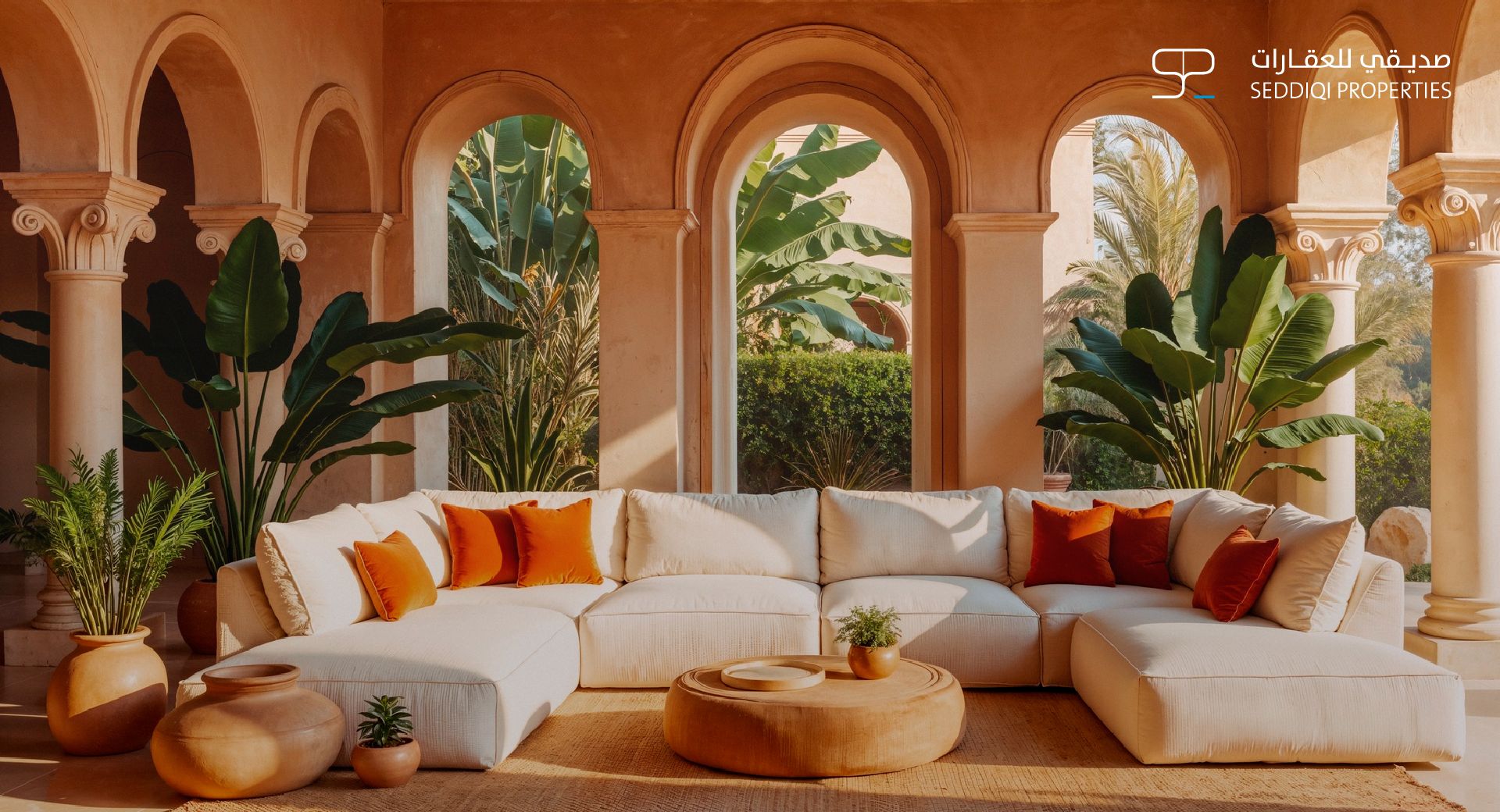
Discover how to weave timeless Emirati design elements into modern luxury interiors. From the iconic skyline views at Rolex Tower to the serene elegance of Al Neem Villas, explore styling ideas that honour heritage while embracing contemporary sophistication.
Discover how Seddiqi Properties fosters a sense of belonging through community events, workshops, and family-friendly activities at iconic residences like Rolex Tower, The Court, and Saratoga.
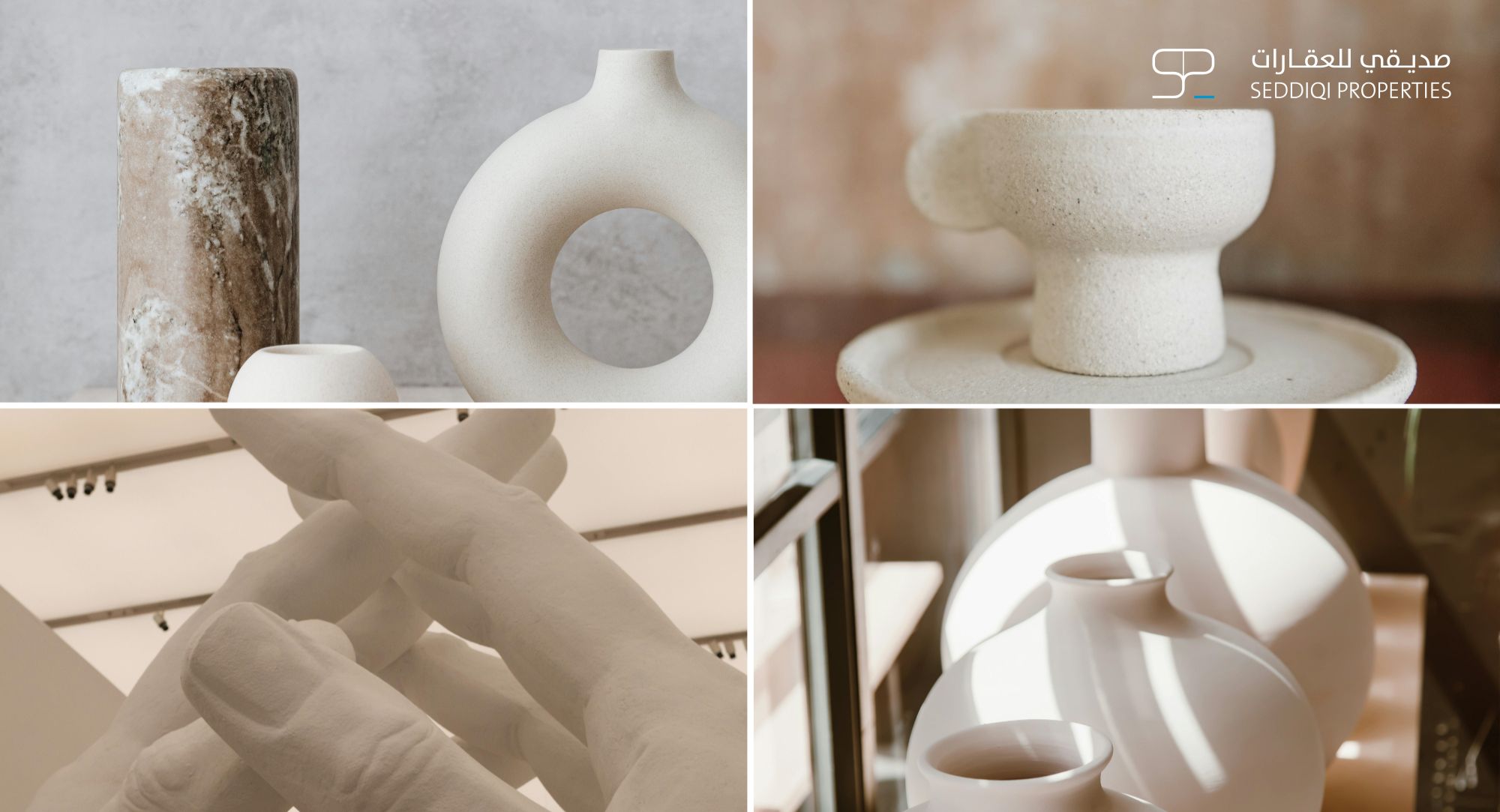
Explore 2026 luxury design trends with Seddiqi Properties, where craftsmanship meets comfort and artistry blends with innovation at Dubai’s most iconic residences.
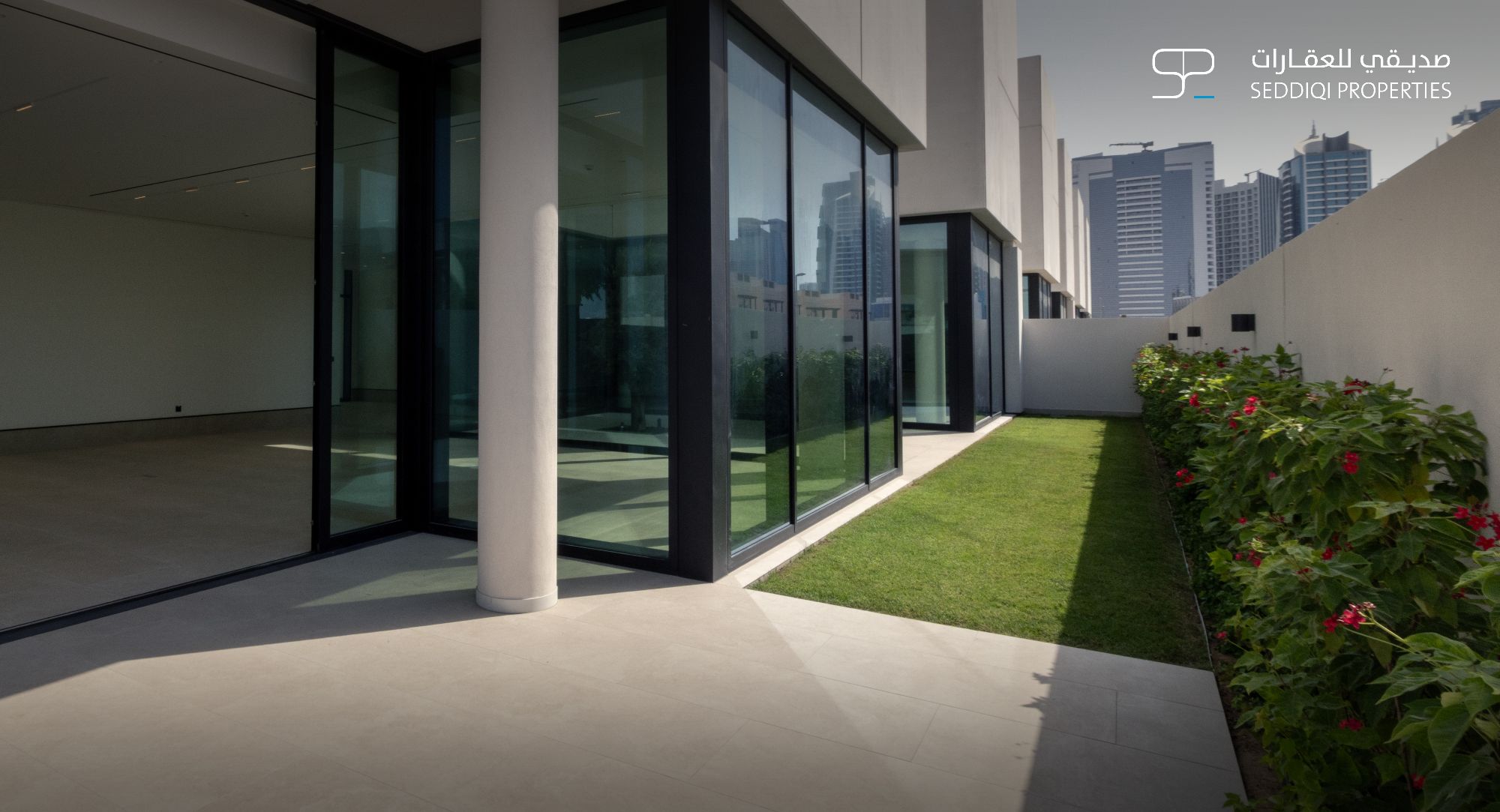
Discover how modern residents are redefining home selection in 2026—prioritising intention, quality, and livability. At Seddiqi Properties, thoughtfully designed residences reflect this shift toward purposeful, elevated living that supports everyday life.
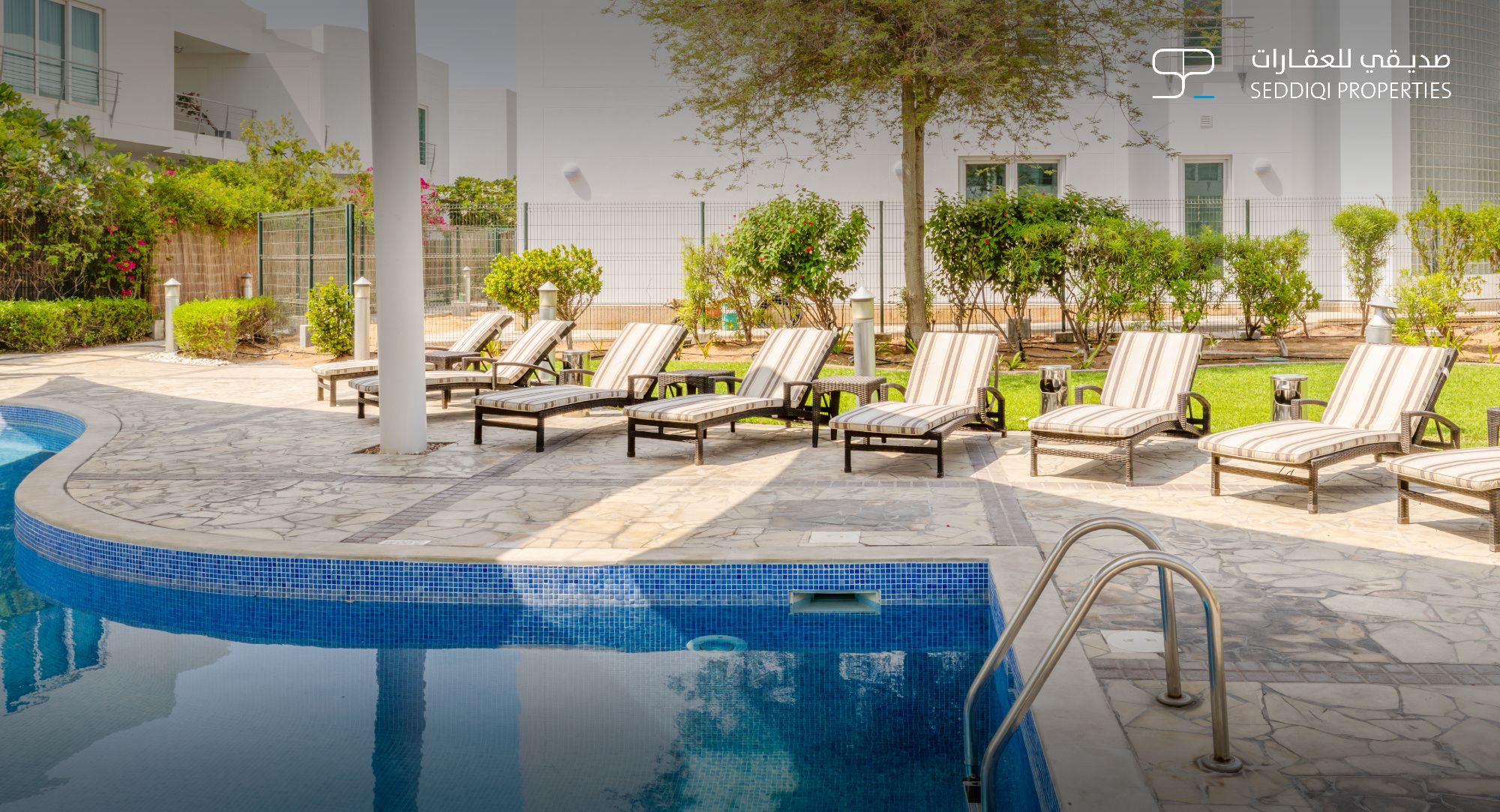
Discover how the right home can shape balance, wellbeing, and success in 2026. Seddiqi Properties homes are designed to support the life you want to build.
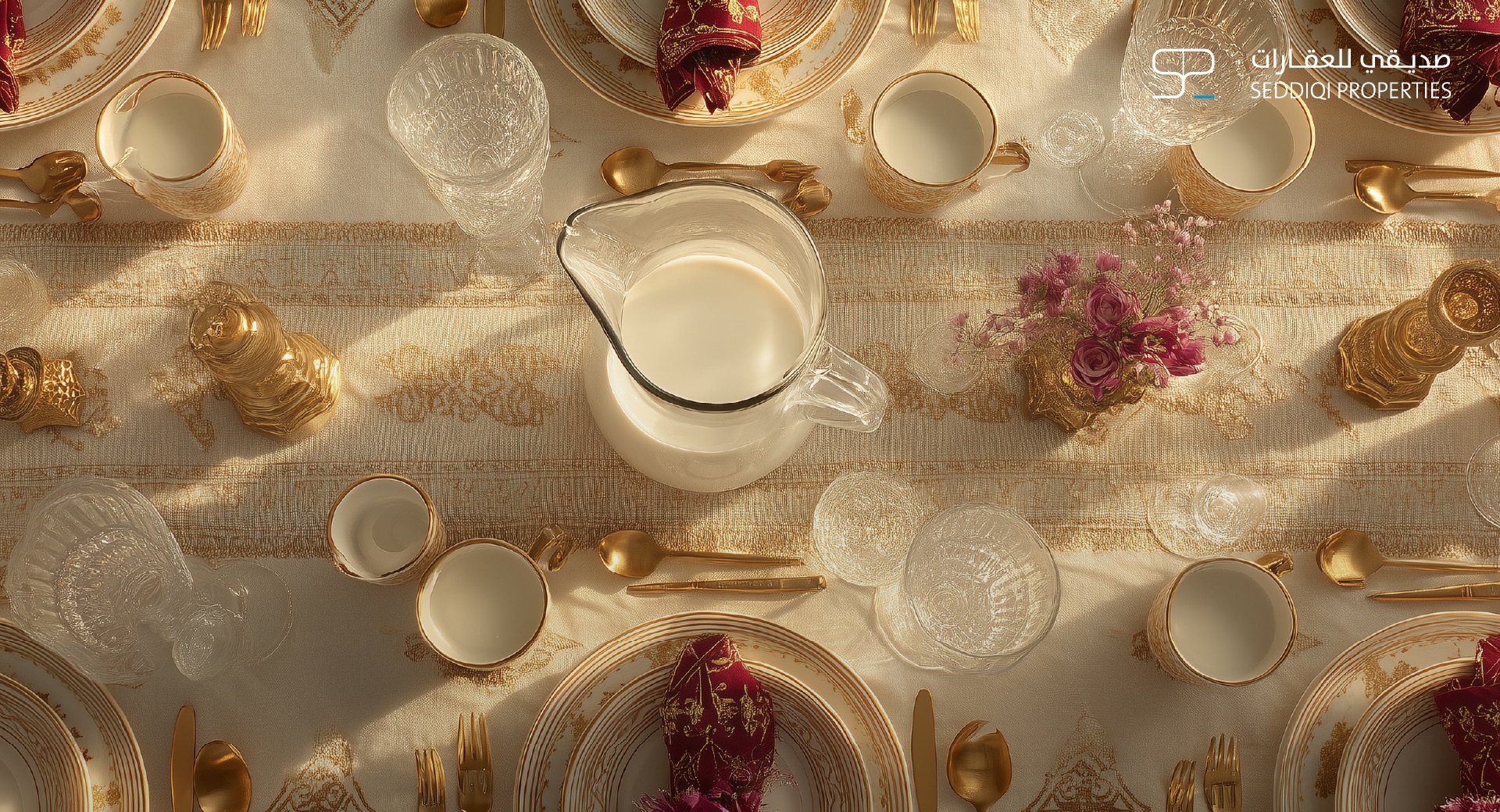
Discover thoughtful Seddiqi Properties residences designed for effortless suhoor and iftar gatherings, quiet worship, and meaningful Ramadan moments.
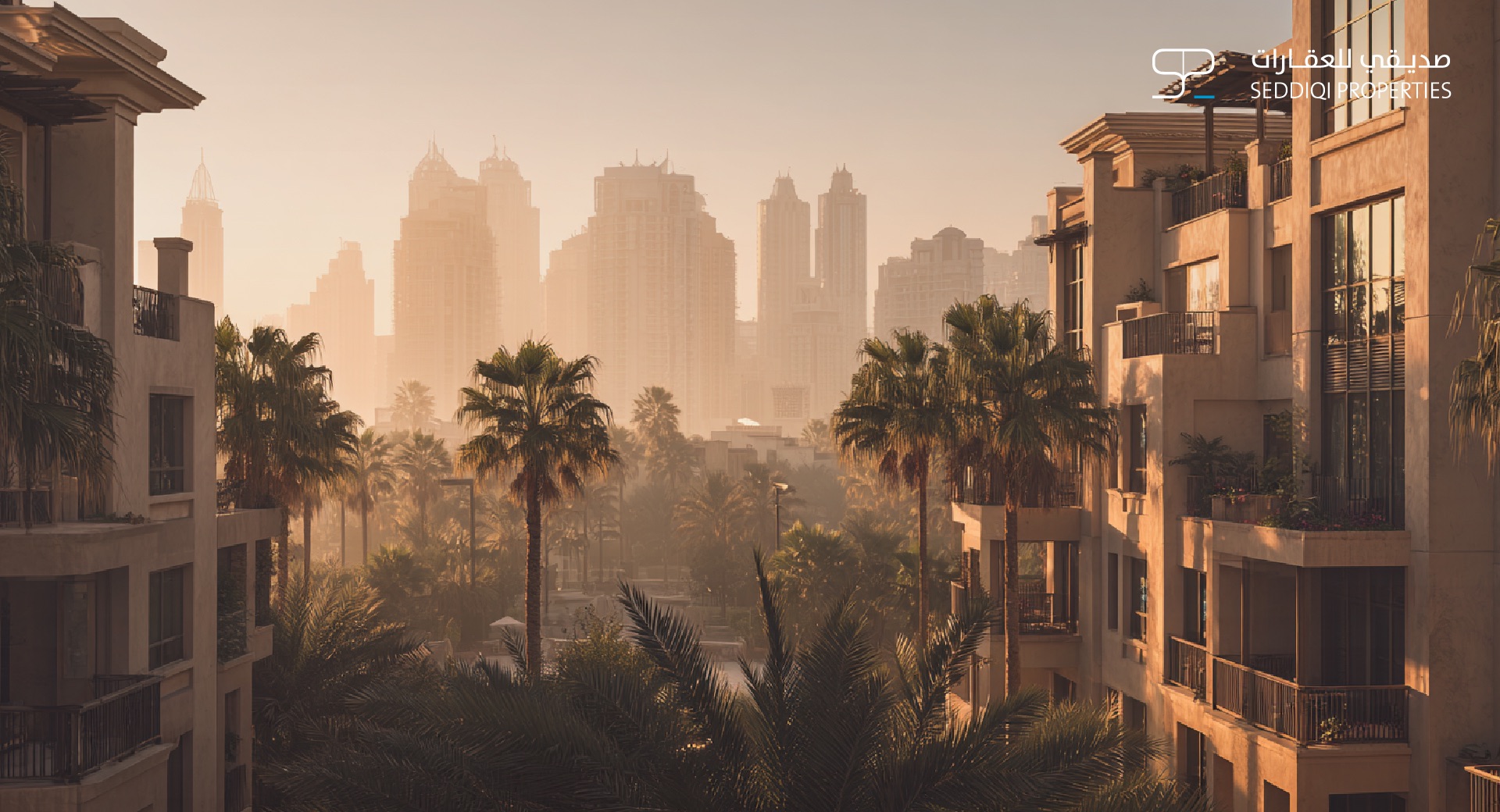
Discover what truly drives rental success—homes designed for comfort, functionality, and lasting appeal. See how Seddiqi Properties delivers enduring value.
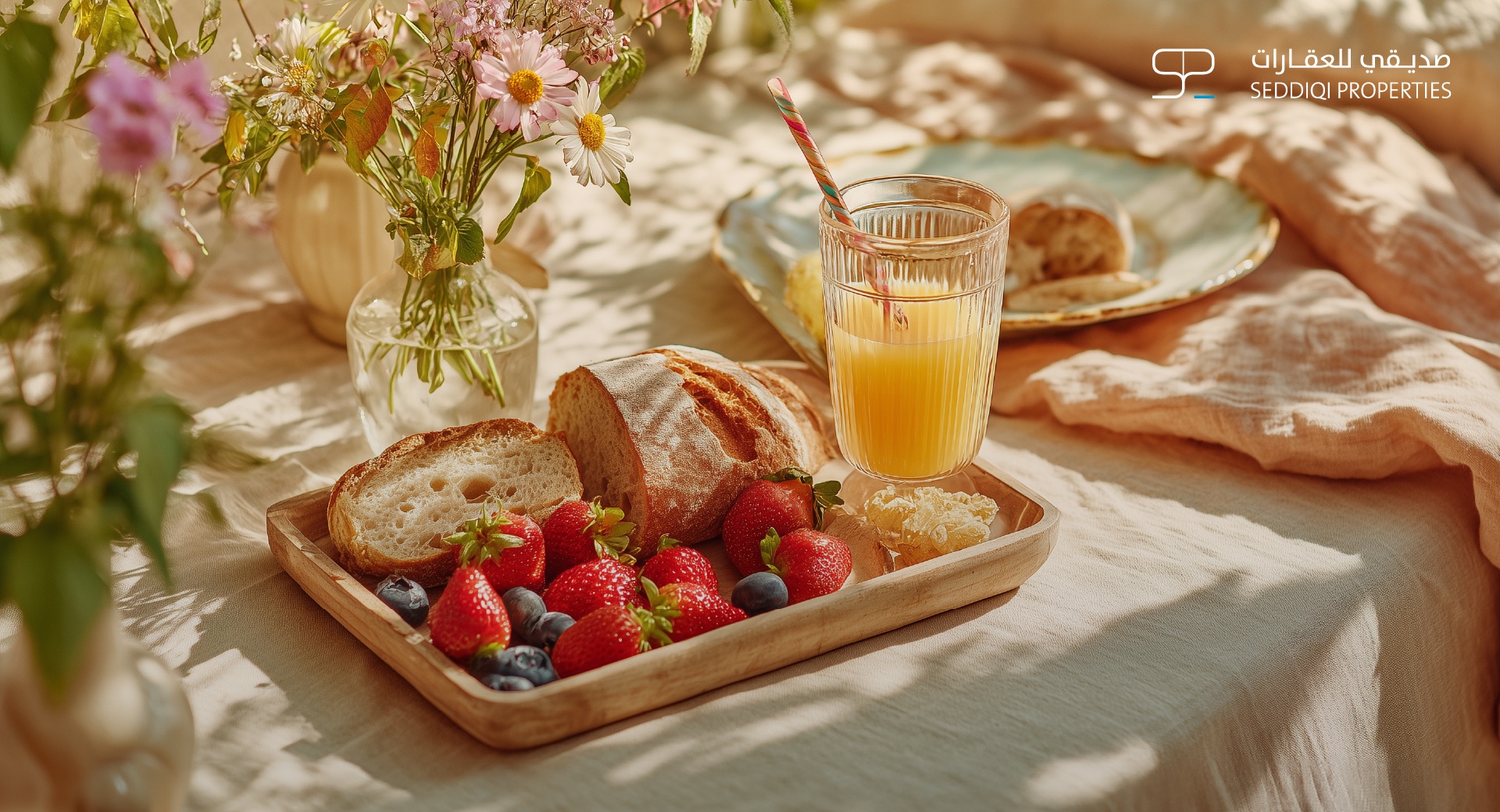
From family gatherings to late‑night celebrations, discover how Seddiqi Properties’ residences provide the perfect setting for an elegant Eid dining table.
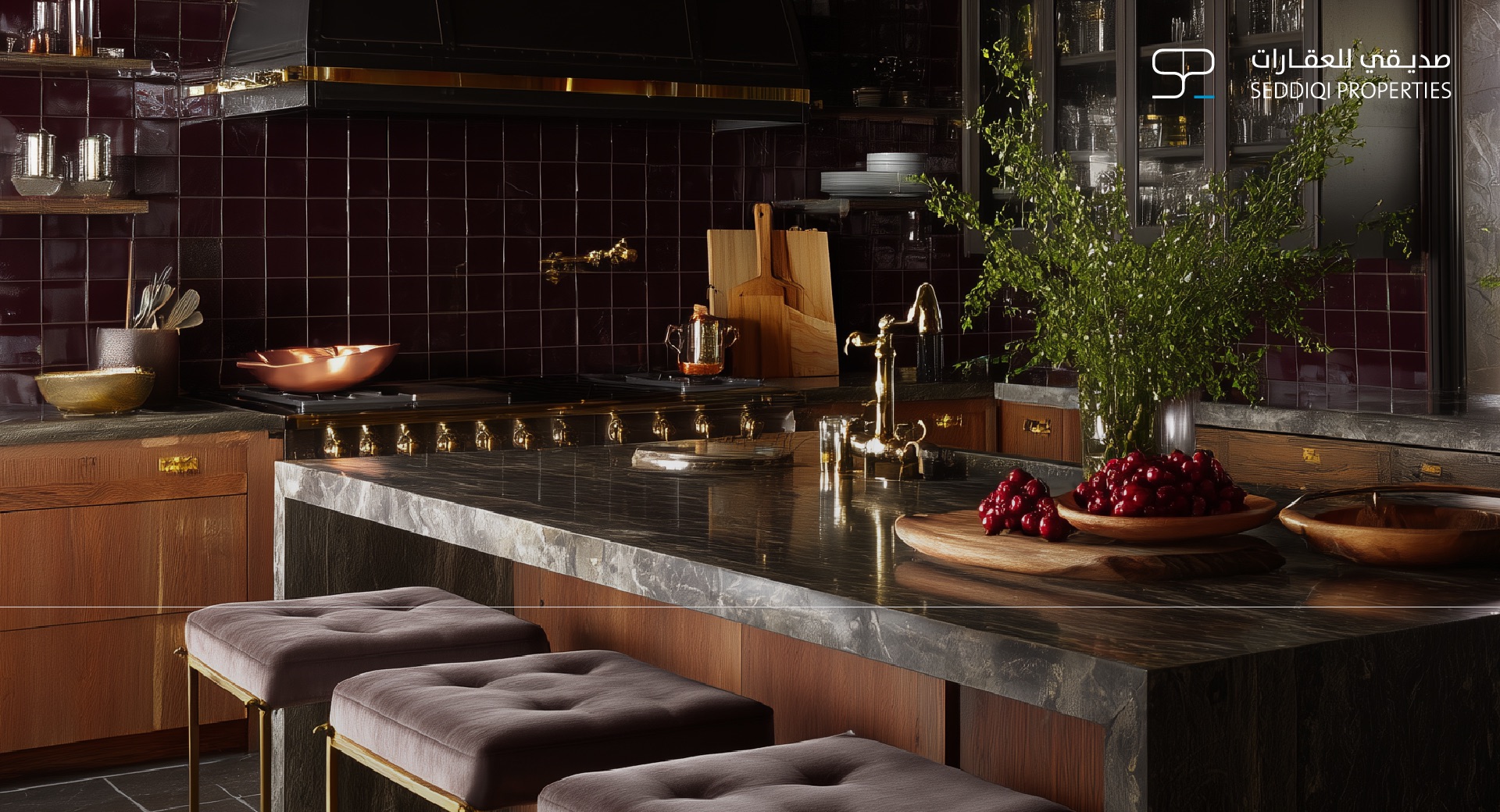
Explore thoughtfully designed kitchens at Seddiqi Properties, where elegant design meets everyday functionality for modern, comfortable living.
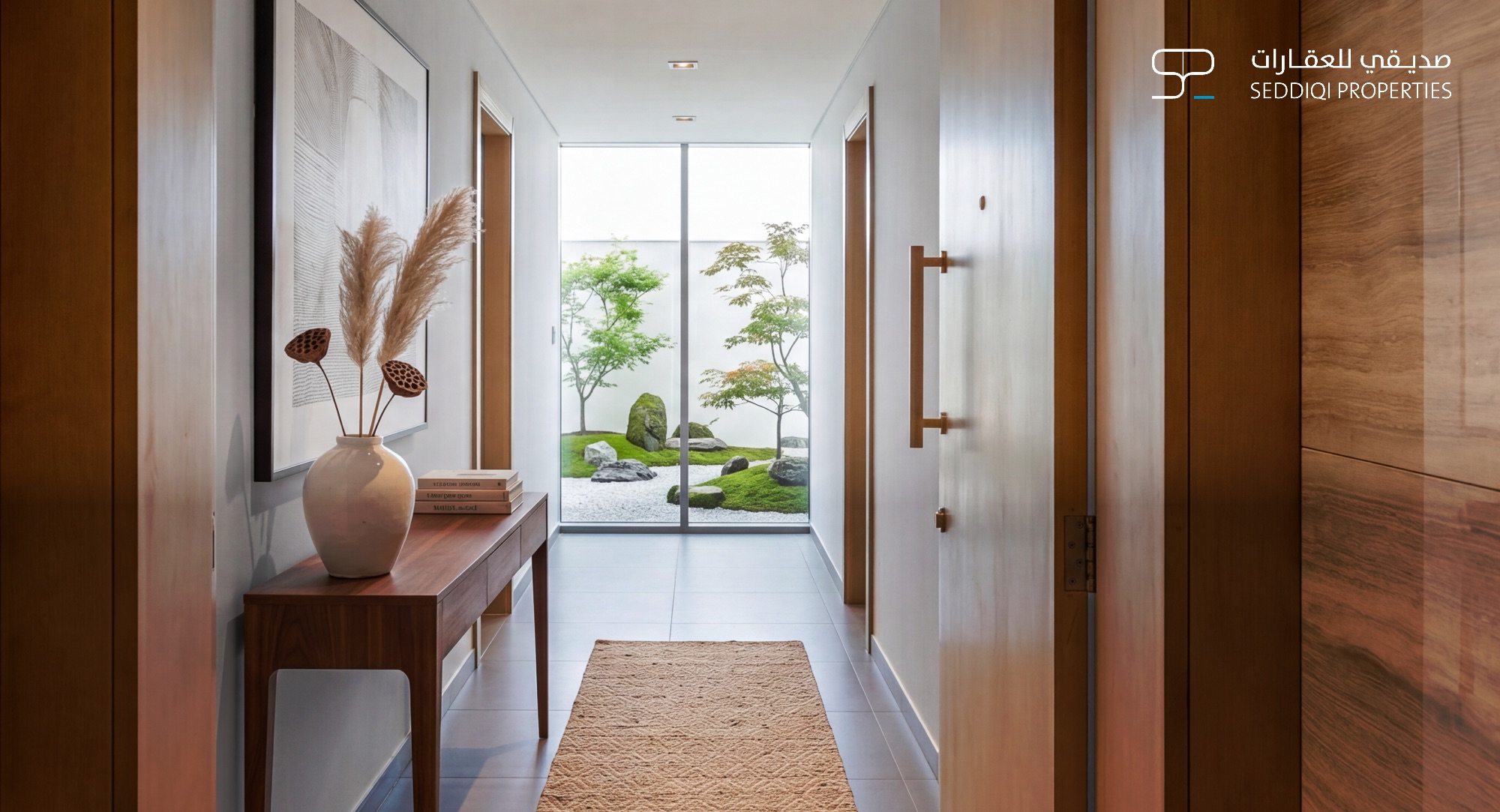
Discover how a thoughtfully chosen console transforms the entryway into a statement of design, craftsmanship, and refined living at Seddiqi Properties.
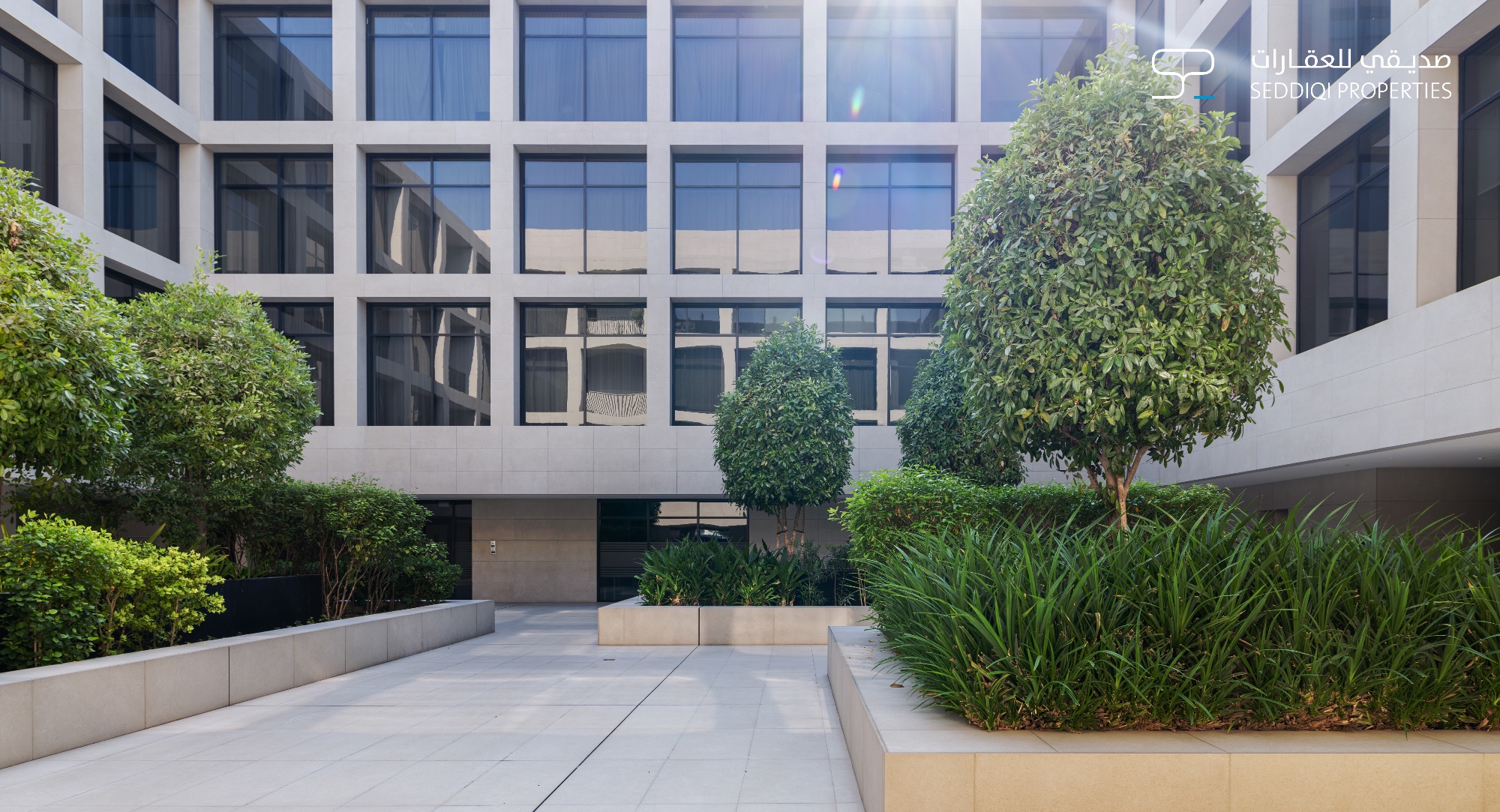
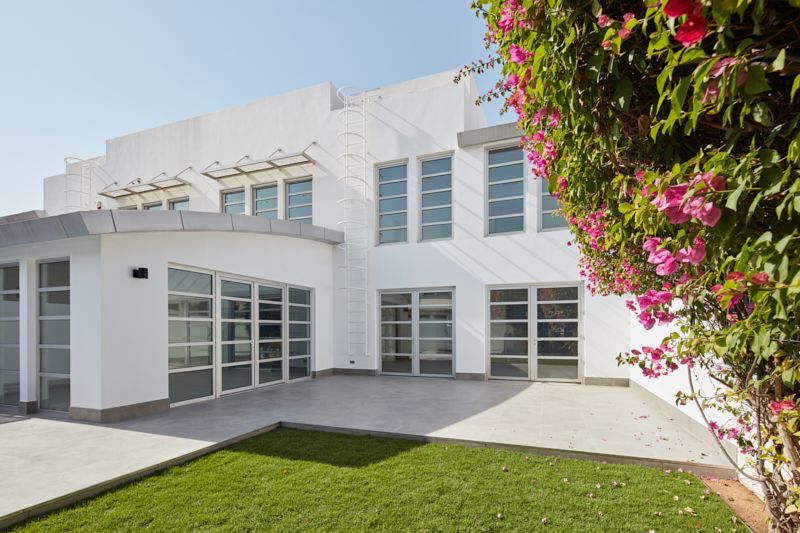
Discover villa living in Dubai reimagined, with expansive terraces and private gardens designed for a seamless indoor-outdoor lifestyle at Seddiqi Properties.
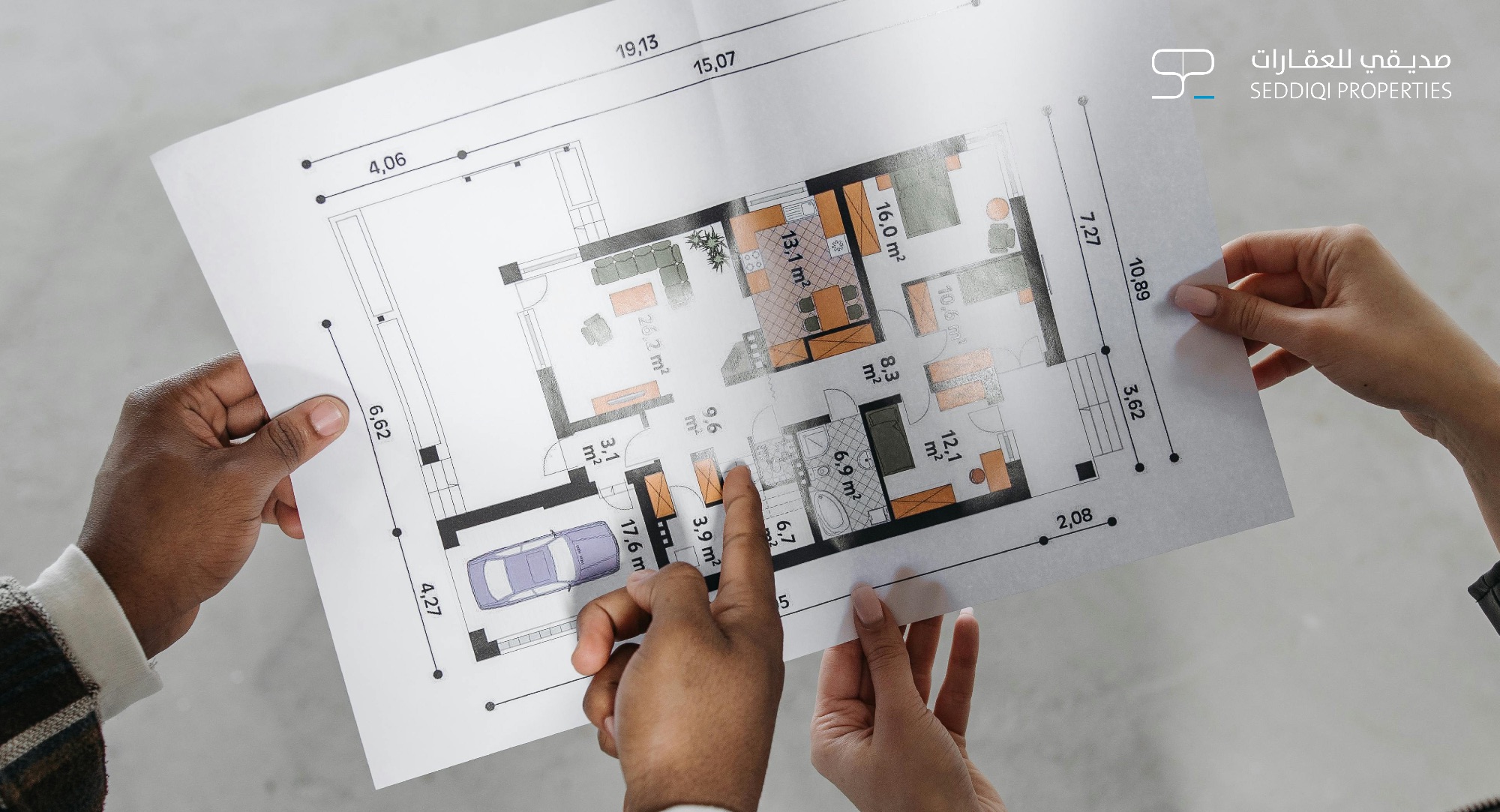
Learn how to read a floor plan with confidence. Discover how layouts and furnished visuals help you choose a home that truly fits your lifestyle.
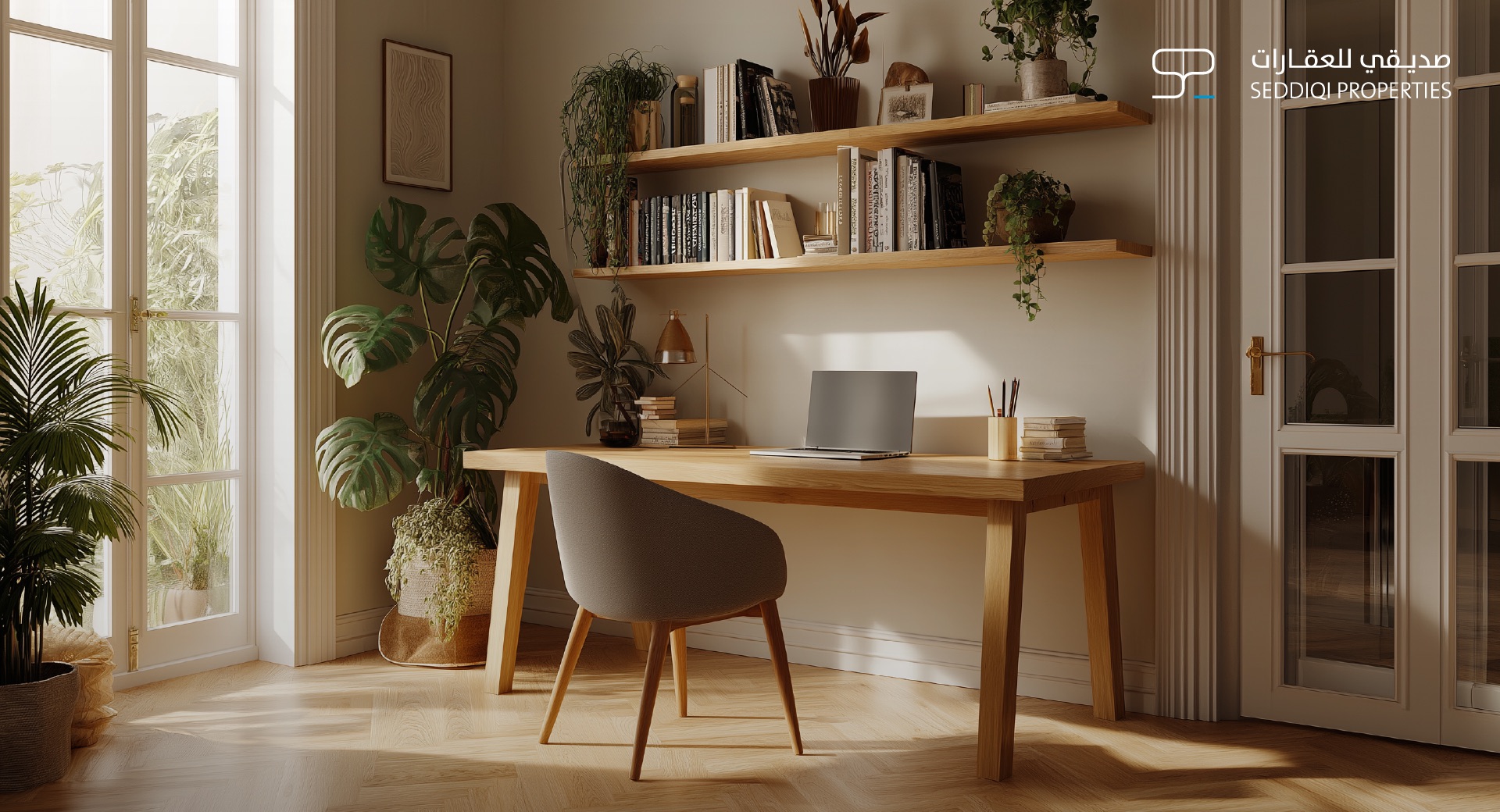
Design a workspace that blends effortlessly into your home, supporting productivity without disrupting everyday living.
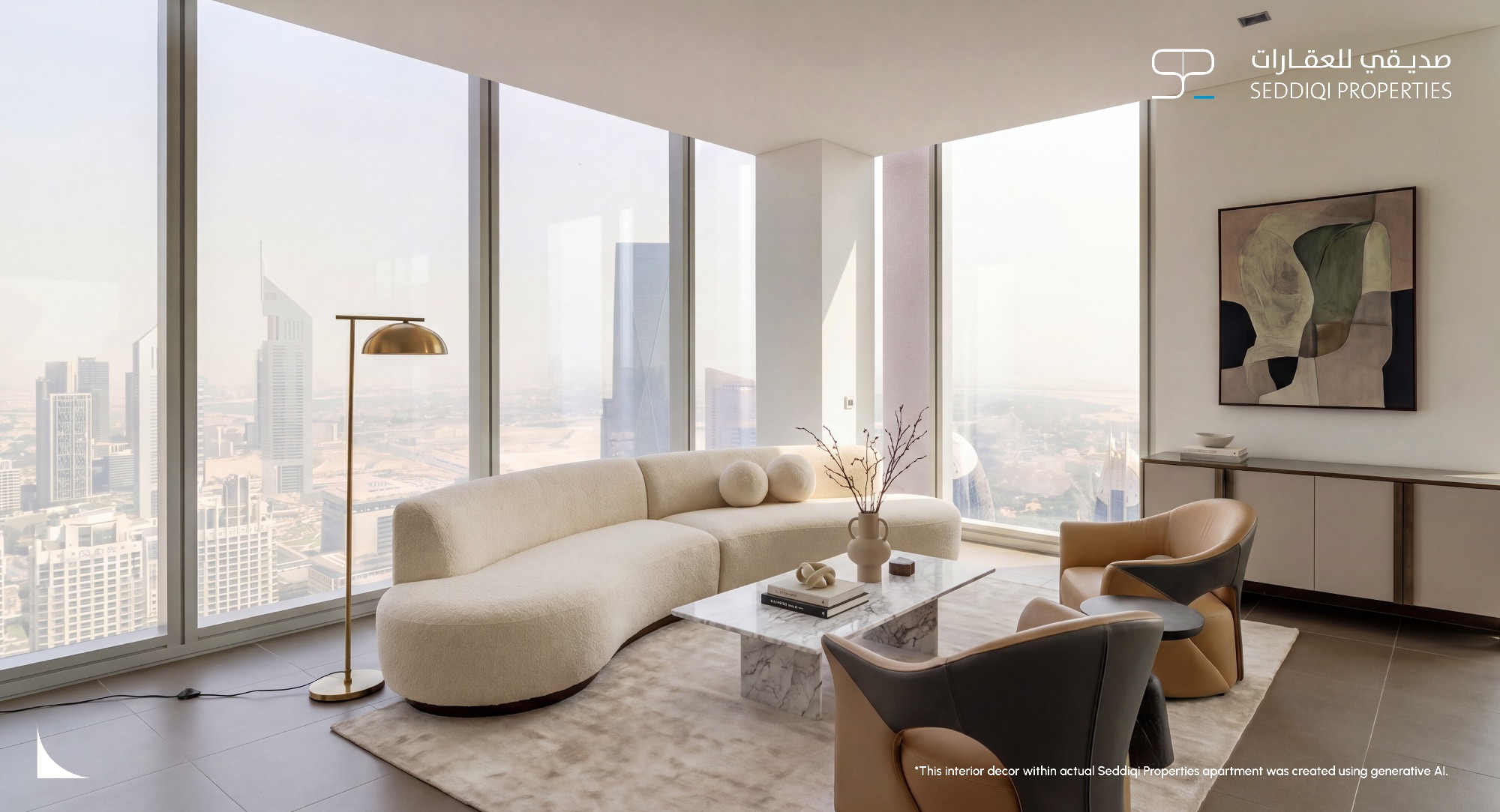
Discover why renting is becoming a lifestyle choice. Seddiqi Properties offers flexible, high-quality living without long-term ownership commitments.
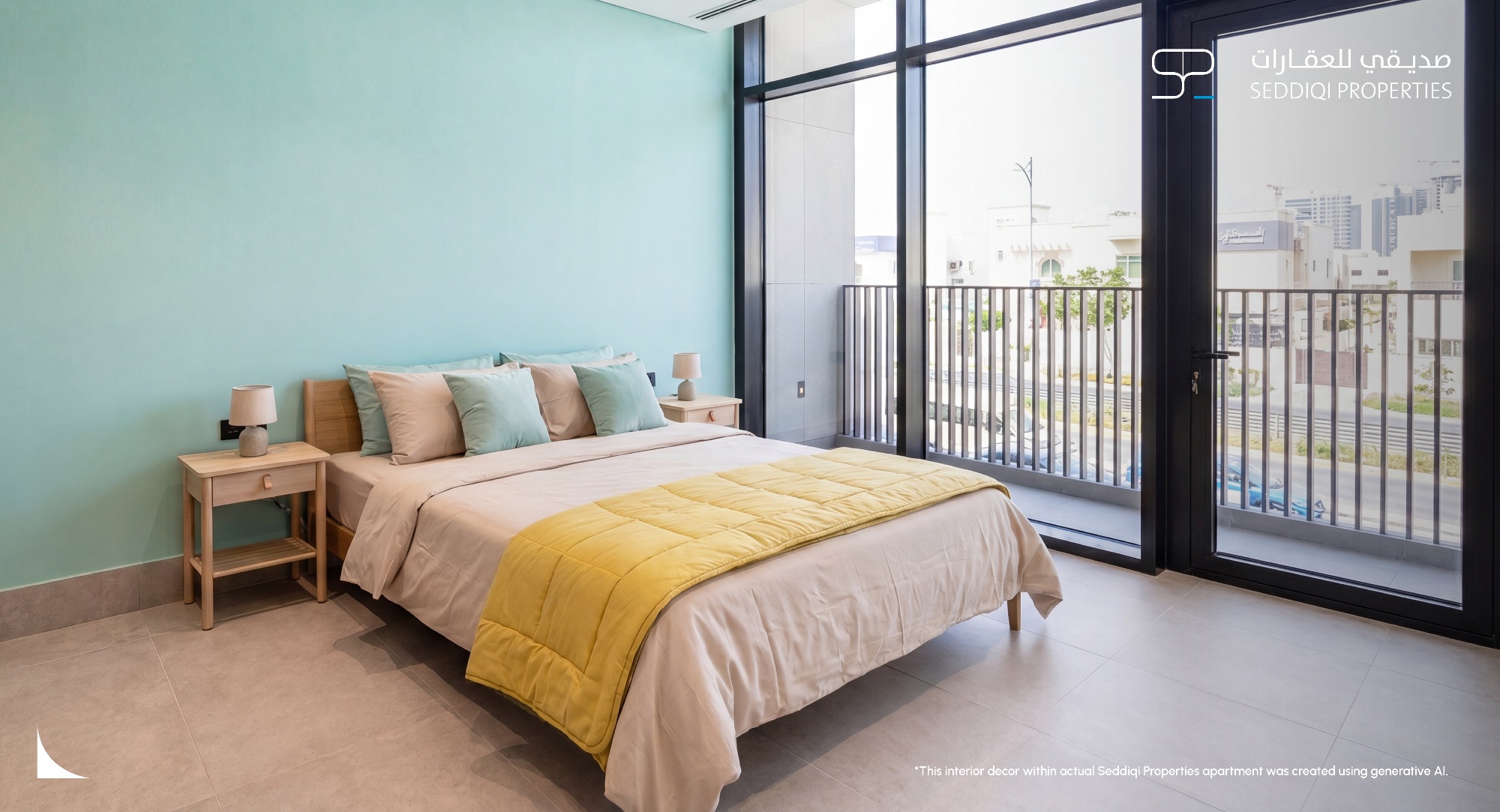
Prepare your Dubai home for summer with simple, practical tips to stay organized, comfortable, and stress-free; whether you’re travelling or staying in the city.
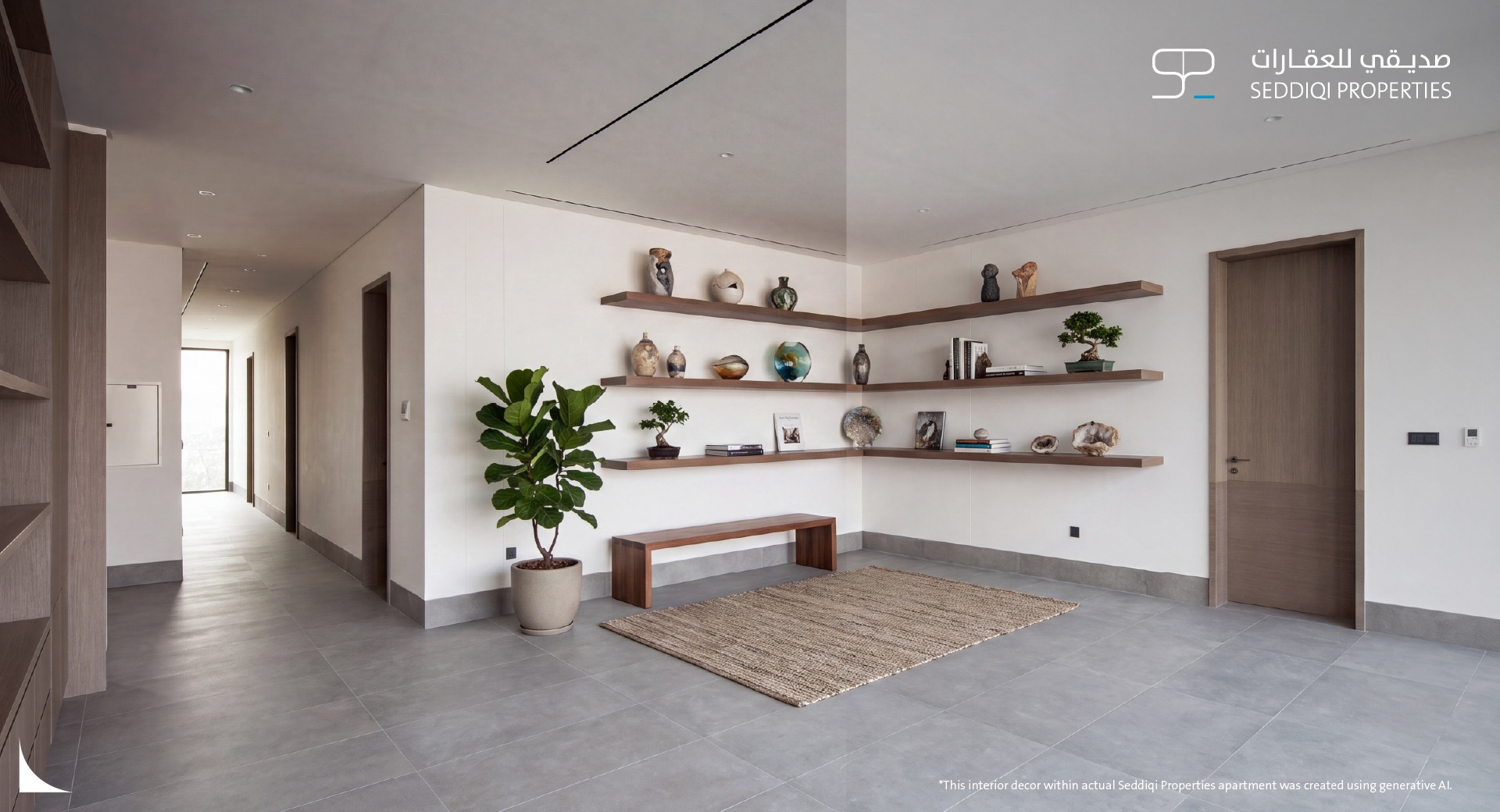
Discover how storage can become a design feature in its own right. Explore sculptural shelving, recessed niches, and functional pieces that add depth, texture, and character to the home.
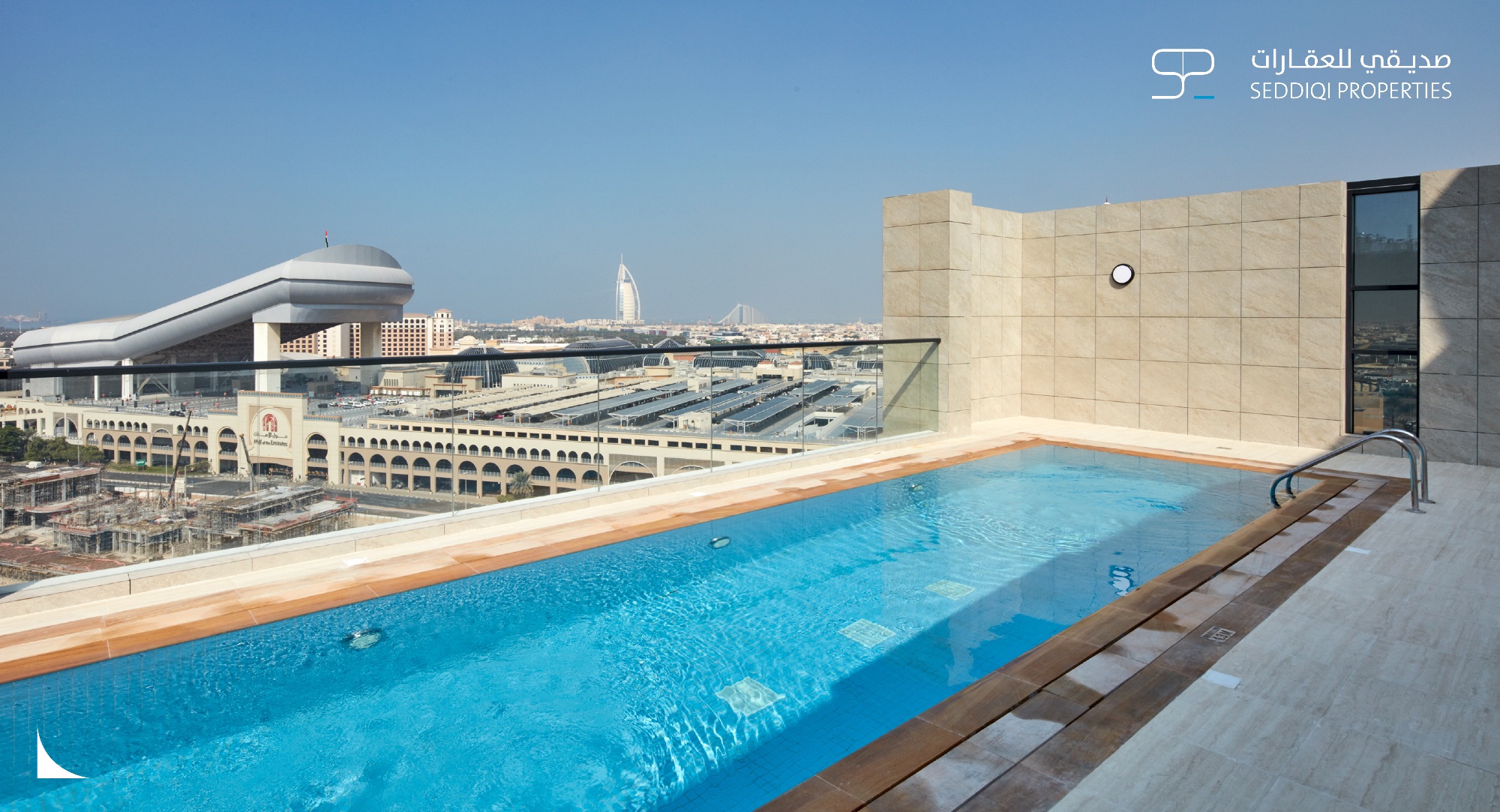
Discover refined family living in Al Barsha with thoughtfully designed apartments and villas that combine comfort, quality, and community.
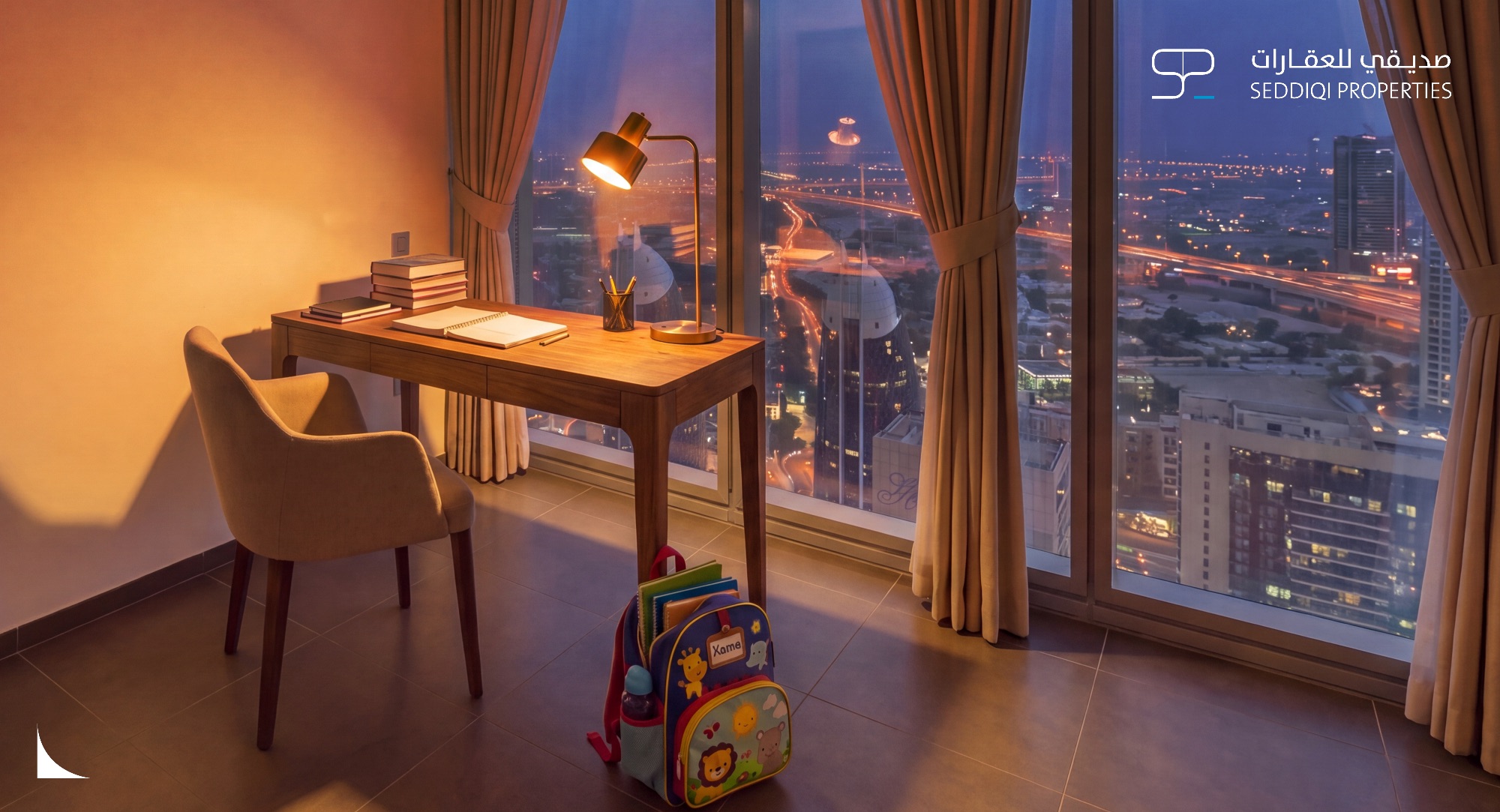
As the school term begins, discover how thoughtfully designed family homes by Seddiqi Properties help routines flow seamlessly with flexible layouts, generous living spaces, and room to adapt.
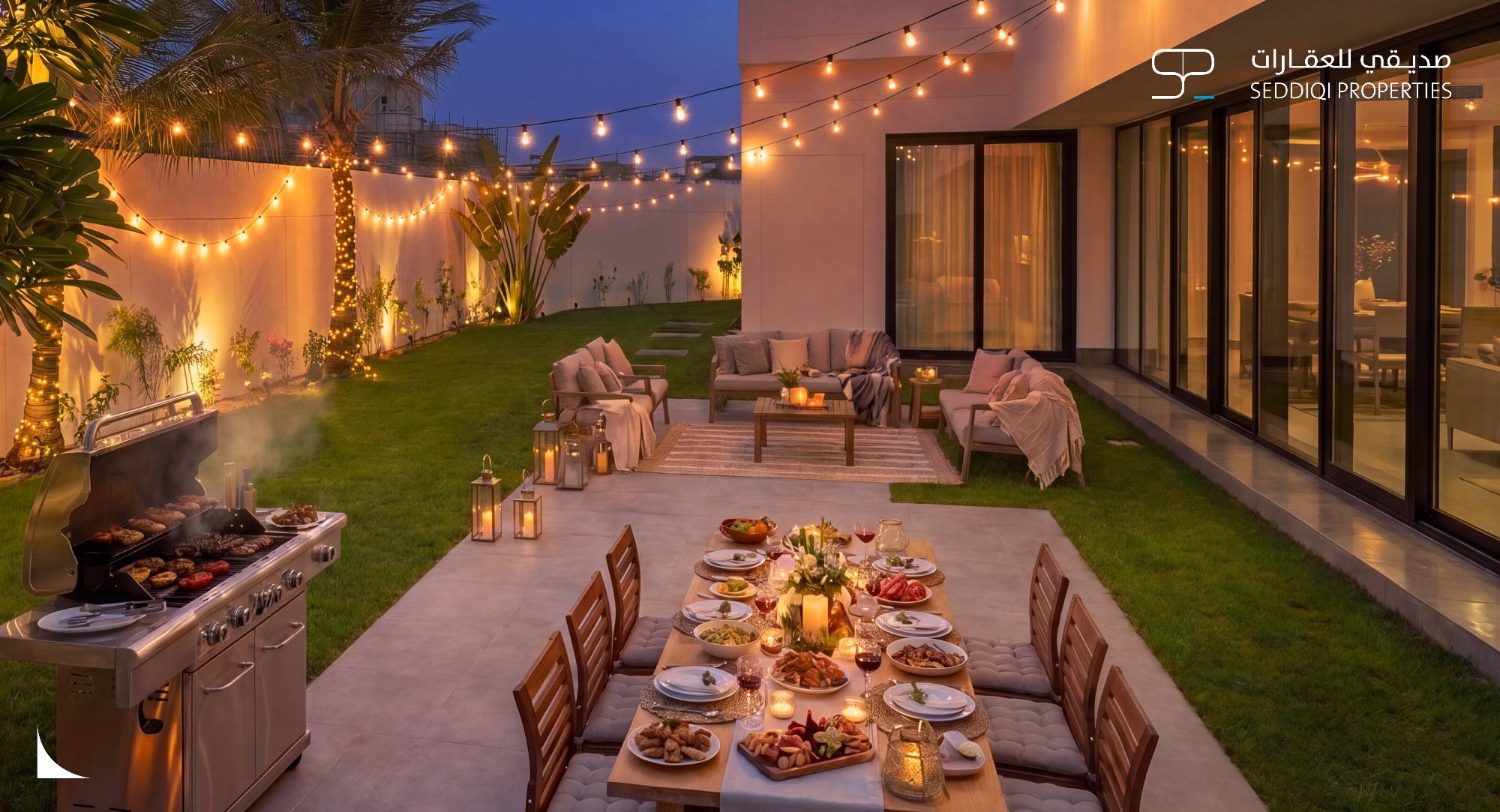
Reset and reconnect after summer with thoughtfully designed homes, welcoming spaces, and seamless living experiences at Seddiqi Properties.
Your guide to create the perfect playroom for your kids
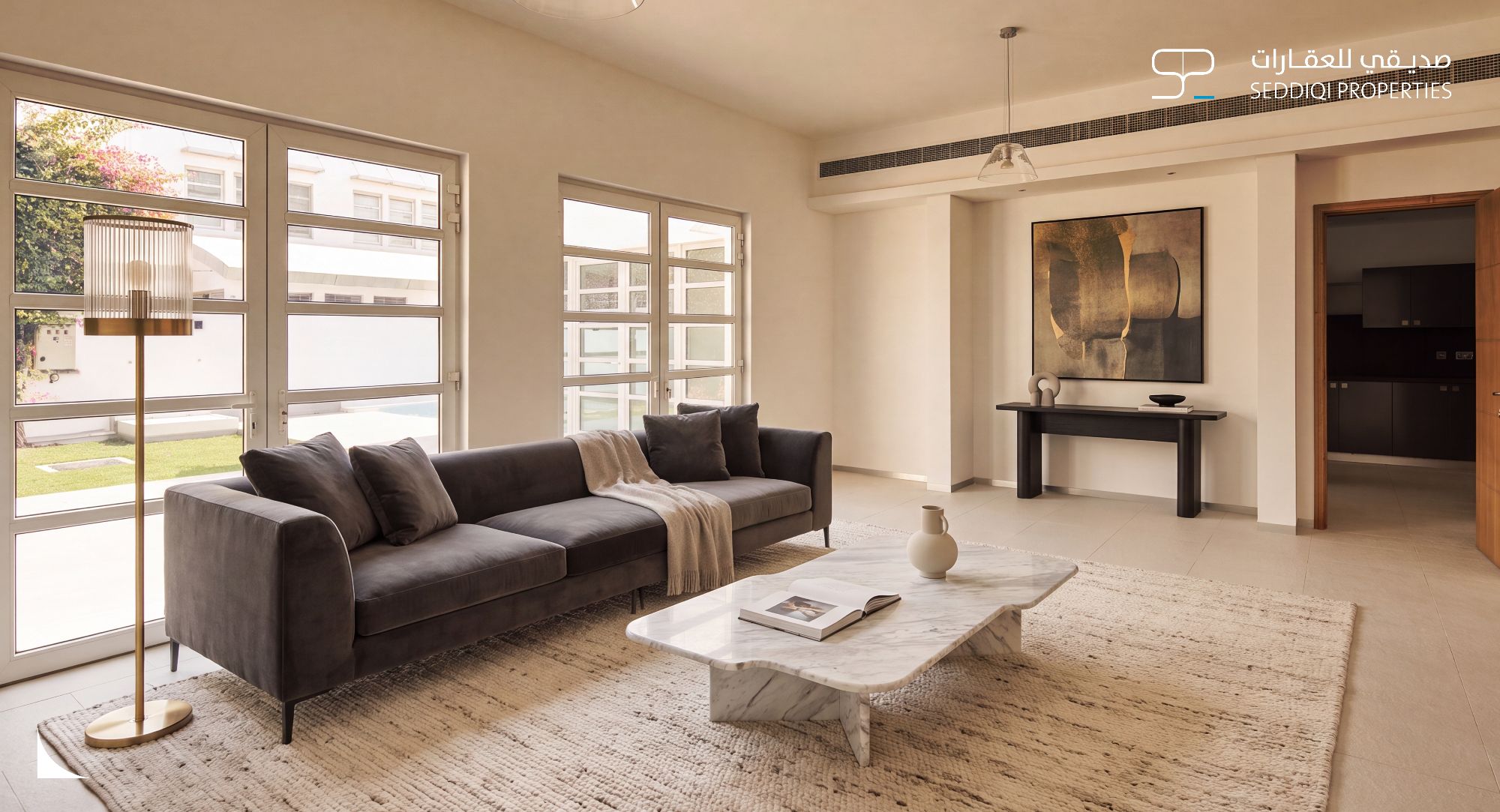
Explore how thoughtful design, quality craftsmanship, and responsive management come together to create rental homes that continue to deliver comfort, convenience, and long-term appeal.
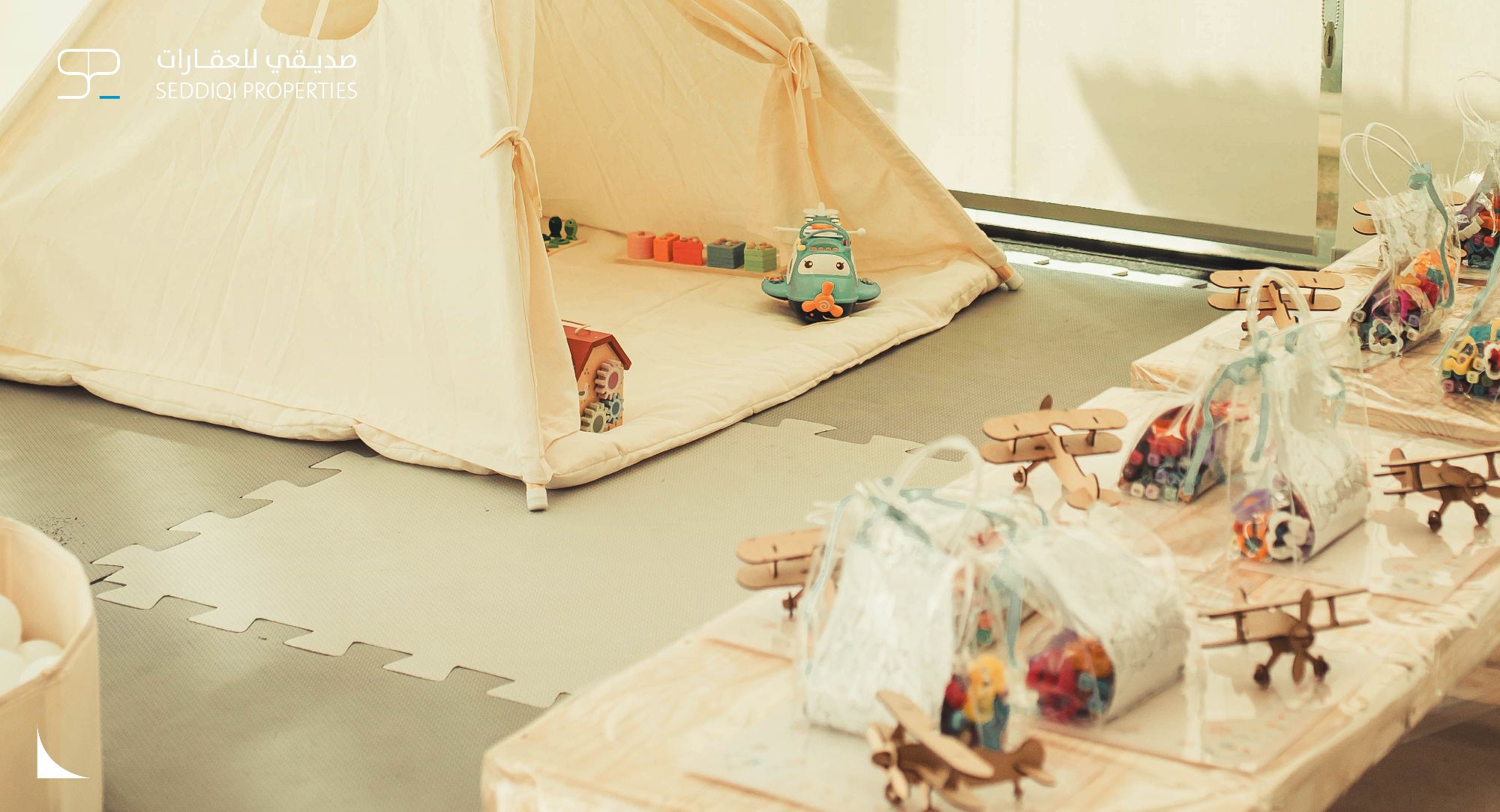
From enhanced children’s play areas to community pools and quiet courtyards, explore how Seddiqi Properties’ facilities keep everyday summer living comfortable for the whole family.

For better web experience, please use the website in portrait mode